Barcelona is treated by most visitors as a one club sports city, which is a shame, because the other ticketed sport here is cheaper, easier to get into and often more fun to attend. There is a second top flight football club a short train ride out, a Grand Prix circuit half an hour north, an indoor arena hosting EuroLeague basketball through the winter, and two road races that shut down parts of the city. Here is what is actually on and how to get to it.
RCD Espanyol, the other top flight club
Espanyol are Barcelona’s second club and have spent most of their history in the Spanish top flight. They play at the RCDE Stadium in Cornellà de Llobregat, a purpose built ground opened in 2009 holding around forty thousand, sometimes still referred to by its older name of Estadi Cornellà-El Prat. Sponsorship naming has changed more than once, so do not be thrown if the signage differs from what you booked.
The practical appeal for a visitor is straightforward: tickets are available. For a typical league fixture you can buy directly from the club’s own site at ordinary prices, often close to the date, with none of the membership priority and resale complication that governs the bigger club. The derby against Barcelona and the visit of Real Madrid are the obvious exceptions and behave like any high demand fixture.
Getting there is easy. Cornellà is on the metro and the suburban rail network, roughly twenty to thirty minutes from the centre, with the stadium a short walk from the stations. Our guide to getting around the city covers which travel card makes sense for trips beyond the central zone.
The Grand Prix, and its new name
This is where most visitors get caught out. From 2026 the Spanish Grand Prix title belongs to the new circuit in Madrid, and the race at the Circuit de Barcelona-Catalunya in Montmeló is run as the Barcelona-Catalunya Grand Prix. The 2026 edition was held in mid June. Any article written before 2026 that calls the Montmeló race the Spanish Grand Prix is describing something that no longer exists under that name.
The second thing to know is that Barcelona is no longer an annual fixture. Under the extension announced in early 2026, the circuit rotates with the Belgian round at Spa-Francorchamps, holding races in 2028, 2030 and 2032 while Spa takes the odd years. There are, in other words, seasons with no Formula 1 at Montmeló at all. Confirm on the official Formula 1 calendar that the year you are travelling is a Barcelona year before booking flights.
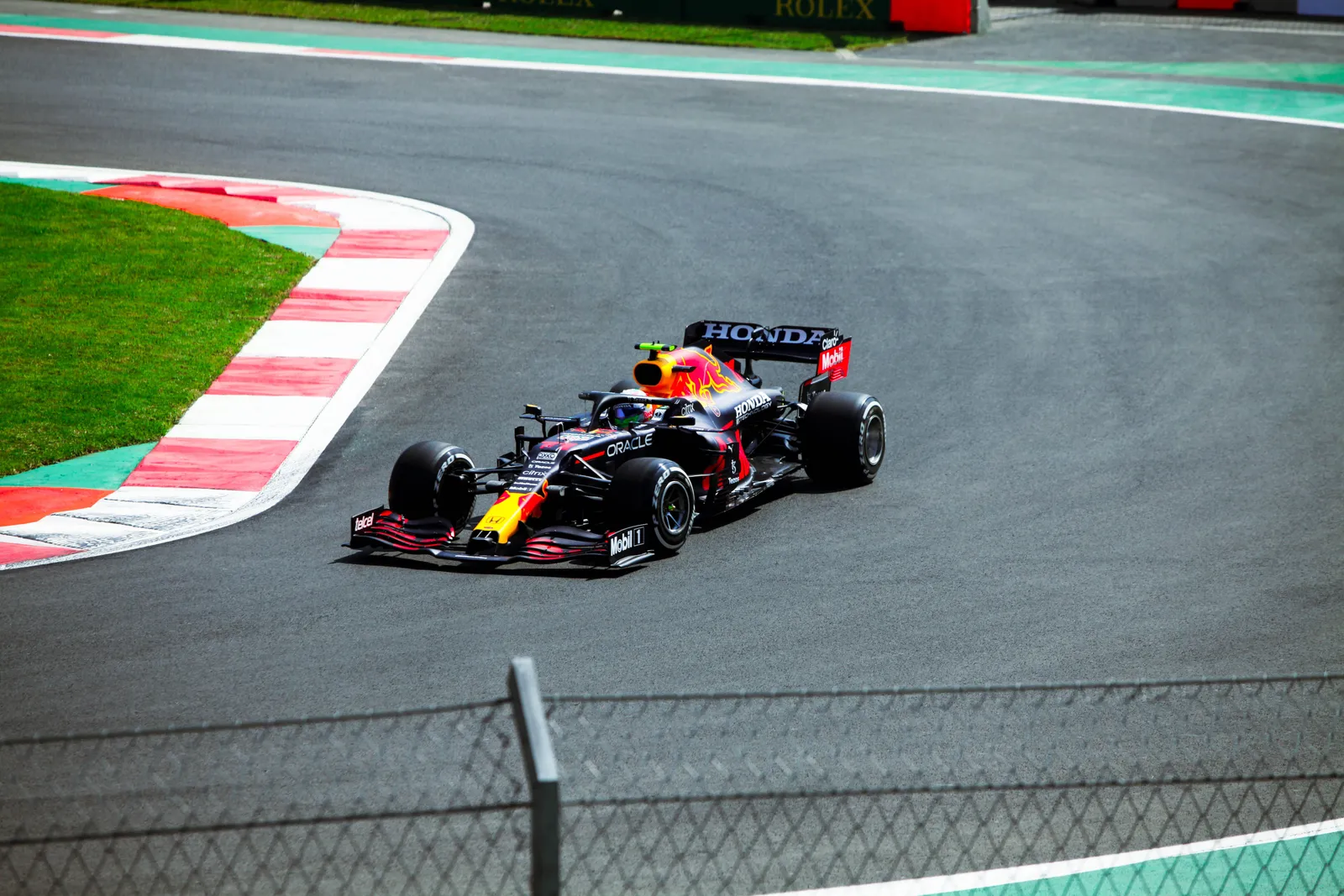
The circuit also hosts the Catalan motorcycle Grand Prix, a MotoGP round which has been held there consistently and which is a cheaper, more relaxed weekend than the Formula 1 event. Dates move between seasons, so check the official MotoGP calendar rather than assuming last year’s slot.
Getting to Montmeló means a Rodalies suburban train from Sants or Passeig de Gràcia, roughly half an hour, then a walk or an event shuttle. Services are reinforced for race weekends and are heavily loaded immediately after the race. The circuit publishes access arrangements per event, and they are worth reading, because the walking route from the station changes with the layout of the temporary infrastructure.
Skip the post race crush to MontmelóPre booked transfers on Grand Prix weekends save the worst of the return queueBasketball and the indoor sports at the Palau Blaugrana
The club’s basketball, handball, futsal and roller hockey teams play at the Palau Blaugrana, the arena beside the main football stadium. Basketball is the big draw: the team competes in the domestic Liga ACB and in the EuroLeague, which means home fixtures most weeks through the winter against serious European opposition.
For a visitor this is one of the best value tickets in the city. Prices are a fraction of football prices, availability is generally good, the arena is compact enough that most seats are good, and the whole thing takes a couple of hours rather than an evening. It is also the obvious answer to a rainy day in Barcelona, which the city gets more of in autumn than its reputation suggests.
Handball and roller hockey run in the same building and are close to free by comparison, with a small, knowledgeable crowd. Buy through the official club ticketing site.
The road races: the marathon and the Mercè
Barcelona has two mass participation road events worth planning around, either as a runner or as someone who would rather not be caught in the road closures.
The Zurich Marató de Barcelona is the big one, run in spring on a flat, fast city course, with the 2027 edition scheduled for 14 March. Registration opens far in advance through the official event site and is open to international entrants. A separate half marathon, the Hyundai Mitja Marató, runs earlier in the year, with the 2027 edition set for 14 February.
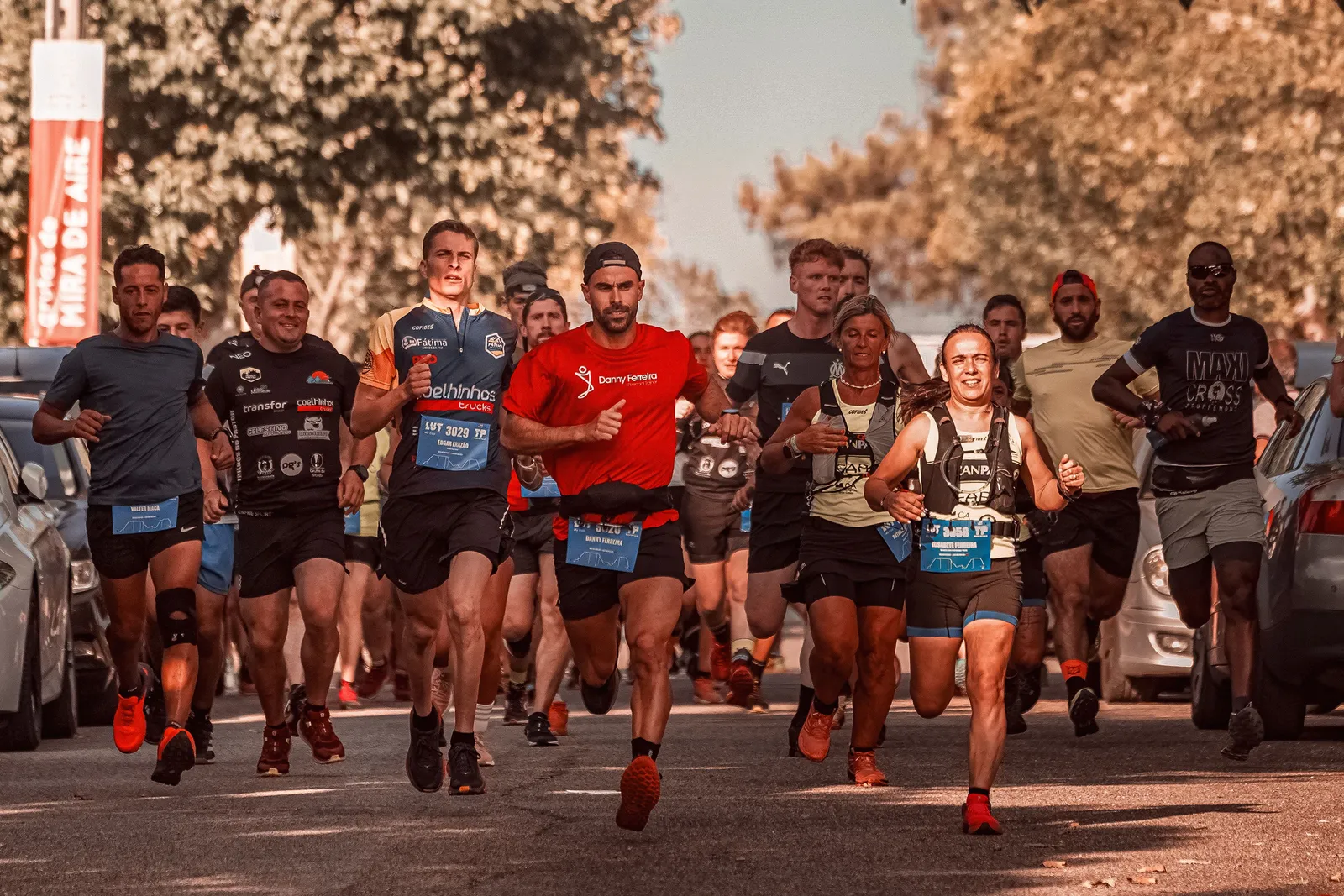
The Cursa de la Mercè is different in character: a ten kilometre race through the centre held around the city’s September festival, more civic celebration than serious competition, with a huge and mixed field. It is the easier one to enter on a whim and it is genuinely enjoyable to watch. Dates track the Mercè festival in late September.
Montjuïc, and fitting it all into a trip
The 1992 Olympics left Barcelona with a cluster of venues on Montjuïc, and they are still in use. The Estadi Olímpic Lluís Companys hosts athletics, concerts and, for a period during the main stadium’s redevelopment, top flight football. The Palau Sant Jordi next door takes indoor events and large concerts, and the swimming and diving venues remain working facilities with public access at times.
Even with nothing on, the hill is worth the trip for the architecture and the view, and it combines naturally with the museums and gardens around it. Our guide to Montjuïc covers the whole area, including how to get up it without walking the entire climb.
The honest planning advice is to check what is on before you fix your dates rather than after. Football and basketball seasons run roughly autumn to spring, the road races cluster in late winter and September, and the Grand Prix now happens only in alternate years. A trip built around a specific event needs the official calendar confirmed first.
If your priority is the main club rather than any of this, our guide to buying tickets for Barça covers that process, which is considerably more involved than anything described here. For everything else in this article, the pattern is the same: buy from the organiser’s own website, check the date on the official source, and expect to travel twenty to forty minutes out of the centre.
The short version
Espanyol at Cornellà is the easy, affordable top flight football ticket. The Montmeló race is now the Barcelona-Catalunya Grand Prix, not the Spanish Grand Prix, and runs only in alternate years from 2028. Palau Blaugrana basketball is the best value live sport in the city through the winter. The marathon runs in March and the Mercè ten kilometre race in late September. In every case, confirm the date on the official calendar, because all of these have moved recently.