Barcelona is the busiest cruise homeport in the Mediterranean, and for a large share of the people who arrive on a ship, the city is a window of six to nine hours between two gangway announcements. That window is entirely workable, but only if you understand two things before you step off: where in the port you actually are, and what the city now charges you for the privilege of stopping. Both have changed recently. Here is how a cruise day in Barcelona works in practice.
Where your ship actually docks
Barcelona has two quite different cruise areas, and the difference matters more than any other single fact in this article.
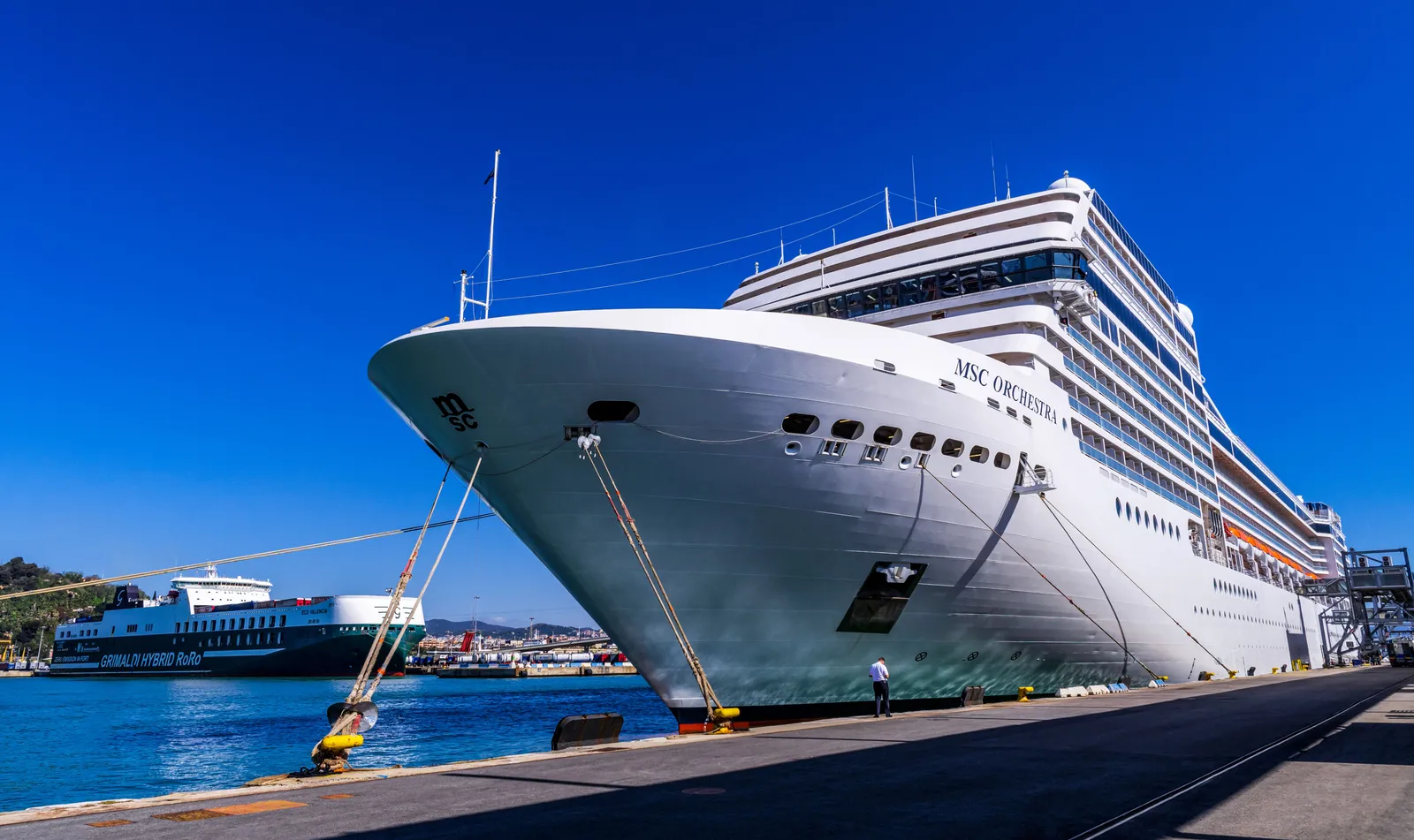
Moll Adossat, sometimes called the Adossat quay, is the long finger of reclaimed land beyond the foot of Montjuic where the large ships berth. Its terminals are lettered rather than numbered, and they sit a genuine distance from the city, roughly two kilometres from the Columbus monument at the nearest end and considerably further from the outermost berth. There is nothing walkable about it: the route is a working port road.
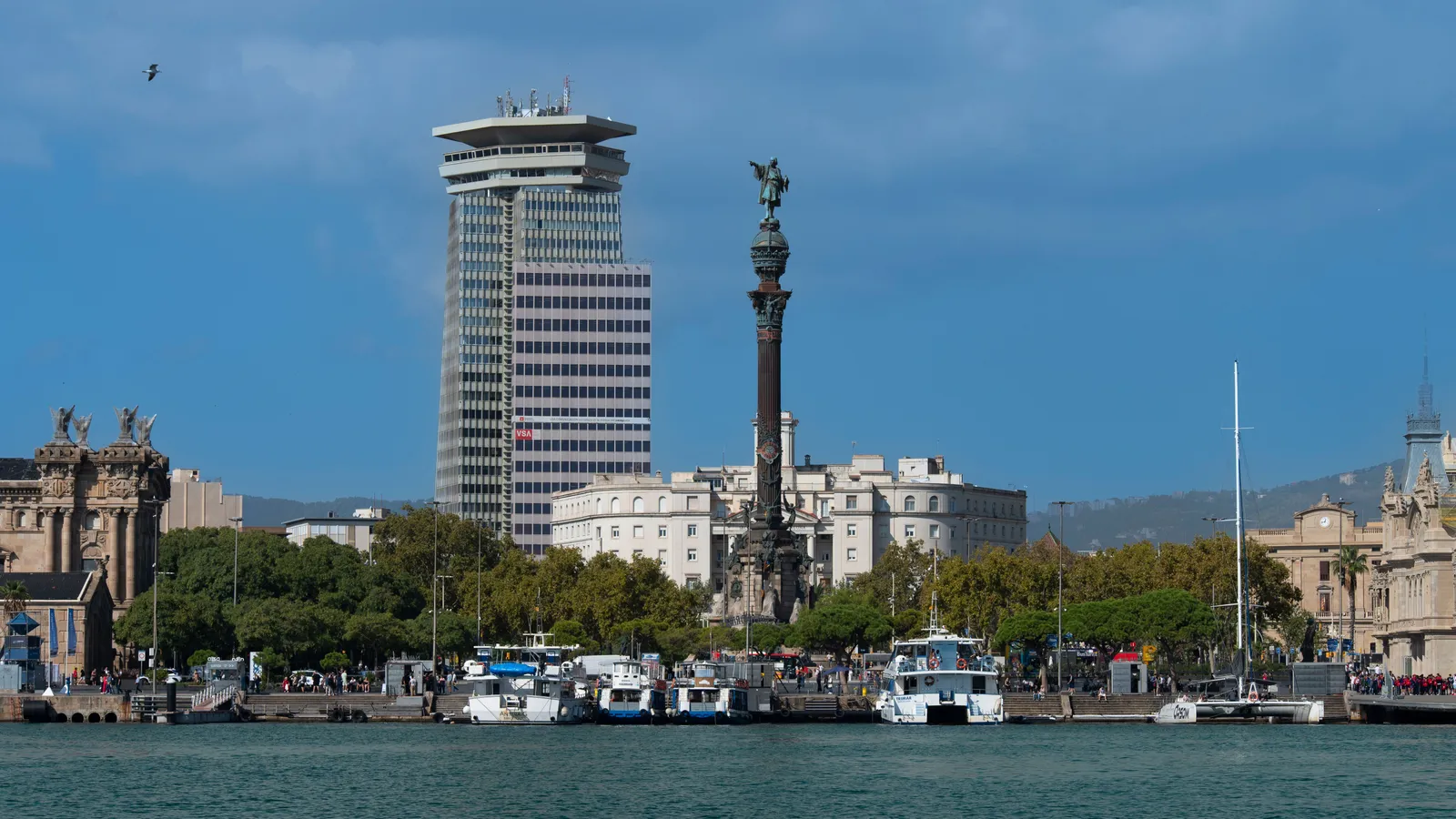
Moll de Barcelona, the World Trade Center piers, is much closer in, essentially at the bottom of the harbour beside the Columbus monument. Smaller ships and some ferries use it, and from there you simply walk off and you are at the foot of La Rambla.
You do not choose which one you get. Your cruise line confirms the terminal shortly before arrival, and it can differ from your last visit, particularly now that the port is rebuilding.
The terminal shake-up you should know about
Barcelona City Council and the Port de Barcelona signed a protocol to cut the number of cruise terminals on Moll Adossat from seven to five, alongside a substantial public and private investment programme. The oldest terminals are to be demolished and replaced with a single new public terminal, and shore power connections are to be installed so ships can switch off their engines while berthed. The work is phased across several years from 2026 onwards.
The practical consequence for a passenger is simple: do not rely on remembered directions, a blog map from a few years ago, or a friend’s account of where the shuttle stop was. Follow the signage and the crew instructions on the day.
Getting from the port into the city
For Moll Adossat, there are three realistic options.
The port shuttle bus, often called the Cruise Bus or Portbus, runs between the Adossat terminals and the Columbus monument at the foot of La Rambla, a ride of roughly ten to fifteen minutes depending on traffic. It is operator run rather than part of the city transport network, tickets are bought on the spot, and the fare is a few euro each way, with a return usually cheaper than two singles. Because it is a private service, both the price and the exact stop location change from season to season, so treat any figure you read online as indicative.
Taxis queue at the terminals. Barcelona taxis are metered and there is a port supplement, and for a group of three or four the cost per head is competitive with the shuttle. Pre-booked transfers are the third option and make most sense when you want a specific drop-off, such as the Sagrada Familia, rather than the bottom of La Rambla.
Once you are at the Columbus monument, you are on the city transport network proper, and the metro, bus and tram system takes over from there.
For anything beyond the old city, a metro ticket rather than a taxi is usually the sensible move, and the way the fare zones and multi-journey tickets work is covered properly in our guide to getting around Barcelona.
Book your port transfer before you sailA pre-arranged pick-up at the terminal removes the taxi queue and the shuttle timetable from a short day ashoreThe passenger tax, and why it went up
This is the news part, and it is worth understanding rather than just knowing a number.
Cruise passengers calling at Barcelona pay a Catalan regional tourist levy, and on top of that the city applies a municipal surcharge. In 2026 the city council moved to raise that surcharge sharply, and specifically targeted transit passengers whose ship is in port for less than twelve hours, while the timetable for the rise has been revised more than once.
The rate in force, as published by the Catalan tax agency for April 2026 to March 2027, is 6 euro regional plus a 5 euro city surcharge, so 11 euro per passenger for a call of twelve hours or less. The council has since backed raising the transit surcharge towards 24 euro, around 30 euro combined, but reports have differed on whether that comes at once or step by step until 2030. Because the amounts and the commencement date have both moved, and because the levy is normally collected by your cruise line rather than paid by you at a desk, the honest advice is this: expect a charge in the region of a few tens of euro per passenger for a short call, and confirm the current figure with the Ajuntament de Barcelona and with your cruise line. Passengers embarking or disembarking in Barcelona, rather than passing through, are treated differently.
The reasoning behind it is not hidden. Barcelona has concluded that passengers who stop for a handful of hours spend comparatively little while contributing heavily to congestion in the saturated centre, and it is pricing accordingly.
A realistic day plan for six to nine hours
Do not try to do the Sagrada Familia, Park Guell, the Gothic Quarter and a beach. Ships do not wait.
A sensible shape for a shuttle-based day is to take the first bus in, walk the old city on foot for two to three hours, eat somewhere off the main tourist strips, and keep the last hour as pure buffer. The medieval core immediately behind the Columbus monument gives you the highest density of worthwhile sights per minute of walking anywhere in the city, and our Gothic Quarter and El Born walk is designed for exactly this kind of time-boxed visit.
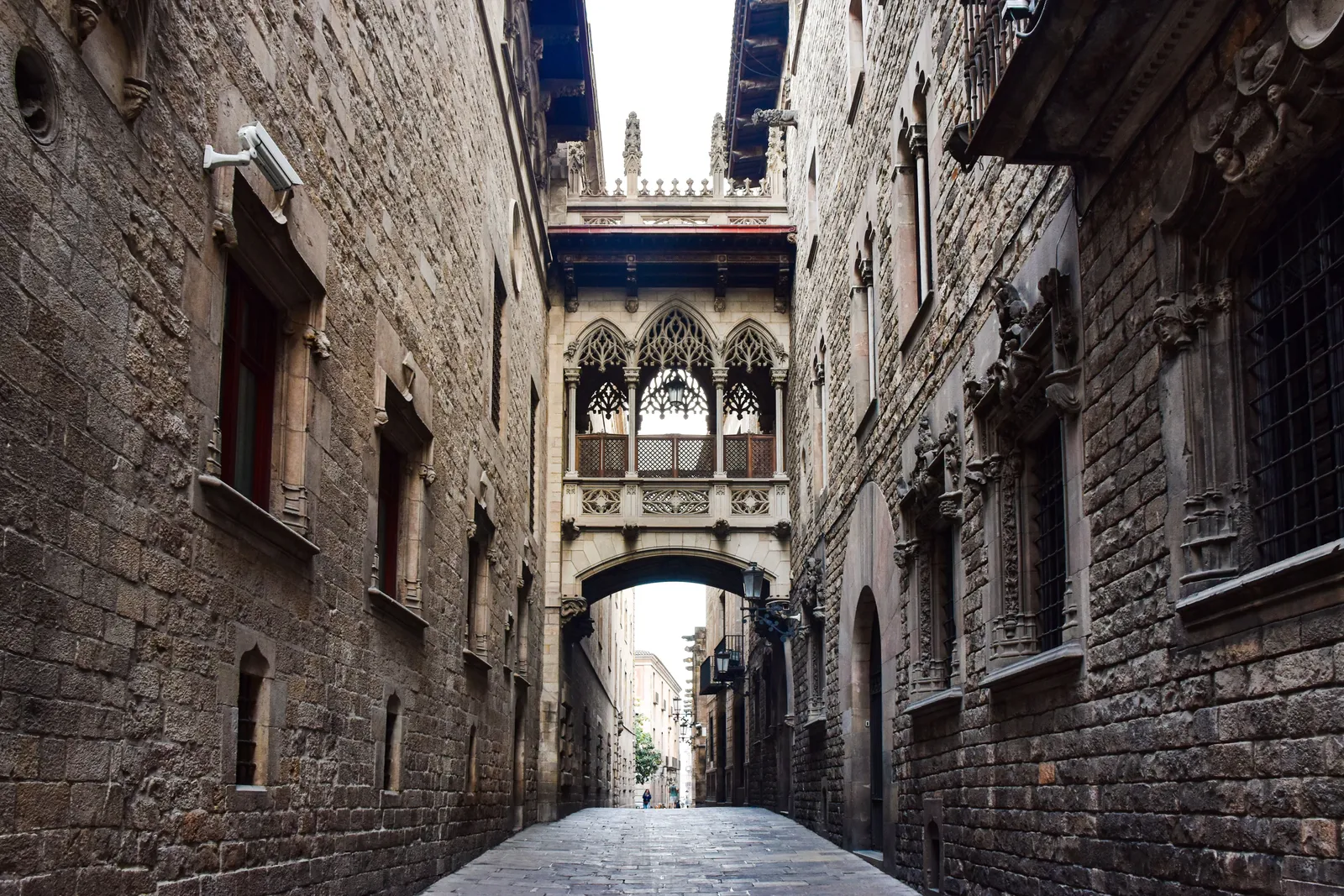
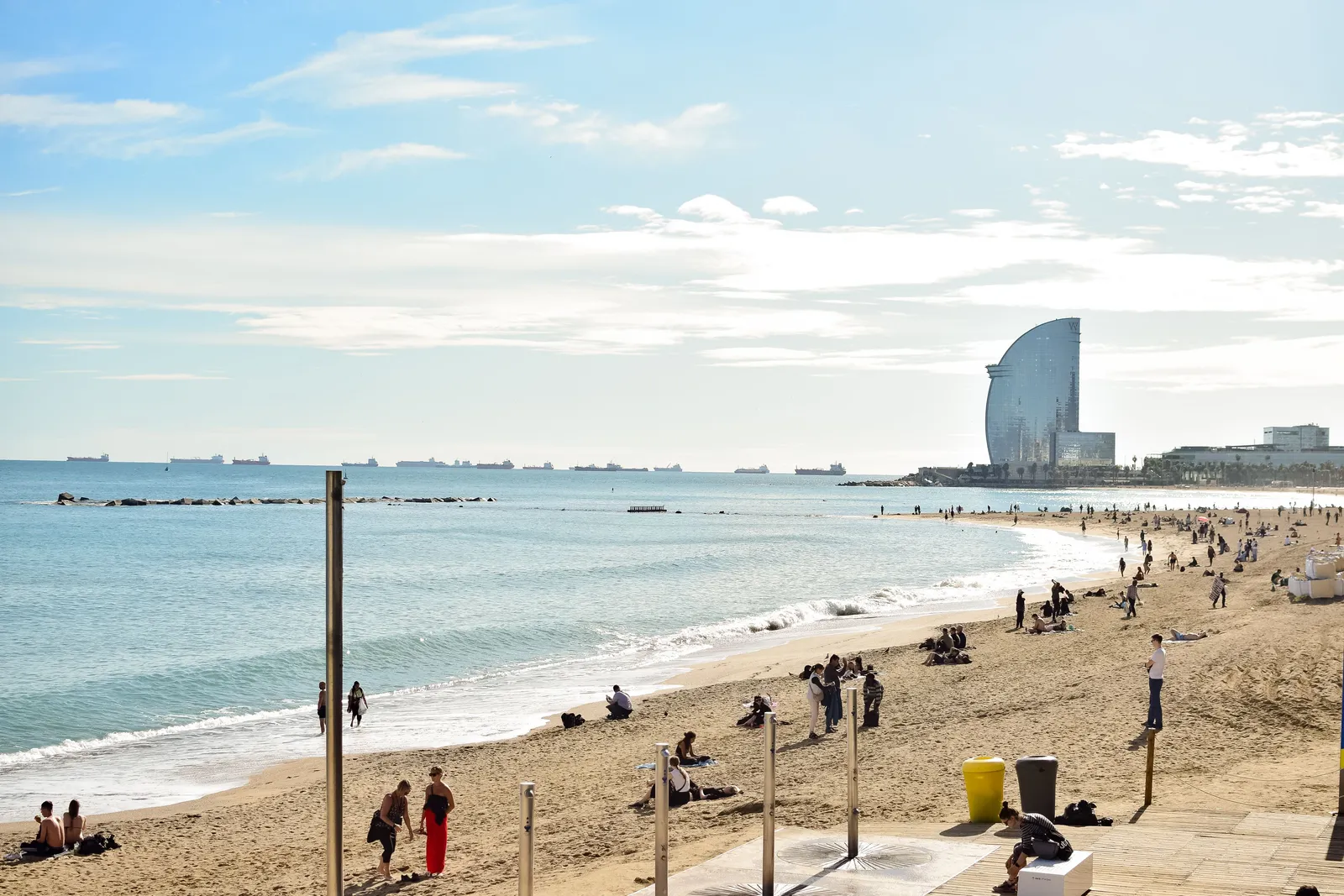
If you want a single ticketed landmark instead, book it online before you sail and pick a slot in the middle of your window, never the end. If you would rather have sand than stone, the city beaches are a short walk or tram ride from the port end of town, and our guide to Barceloneta and the city beaches explains which stretches are worth the walk and which are not.
Practical points that trip people up
Barcelona’s pickpocketing reputation is earned, and cruise passengers are a recognisable target near La Rambla and the port shuttle stop. Carry very little. Bring your ship card and a photo ID, not your full document wallet.
Sunday is quieter for shops but the old city and its restaurants are fully open. August is hot and busy in equal measure. Many restaurants do not serve lunch before one in the afternoon, which catches out early-arriving ships, so plan to eat later than you would at home or accept a bar snack instead.
Finally, build the return journey into your plan rather than treating it as an afterthought. Shuttle queues at the Columbus monument grow sharply in the last hour before all-aboard, and the port road can be slow. Aim to be back on the quay well ahead of the deadline printed on your daily programme, not at it.