Barcelona looks like a cycling city and mostly is one, with a large network of separated lanes and a seafront made for riding. It also contains one trap that catches visitors within an hour of arriving, and a topography that is nothing like as flat as the postcards suggest. Here is what works.
The Bicing trap
The red and white bikes are everywhere, visibly in constant use, docked at stations on what feels like every second corner. They are not available to you.
Bicing is a residents’ scheme. Registration requires local documentation and runs on a subscription rather than a casual card payment, and the system is not built for short-term visitor use. This is the single most common cycling mistake people make here, precisely because the bikes are so conspicuous.
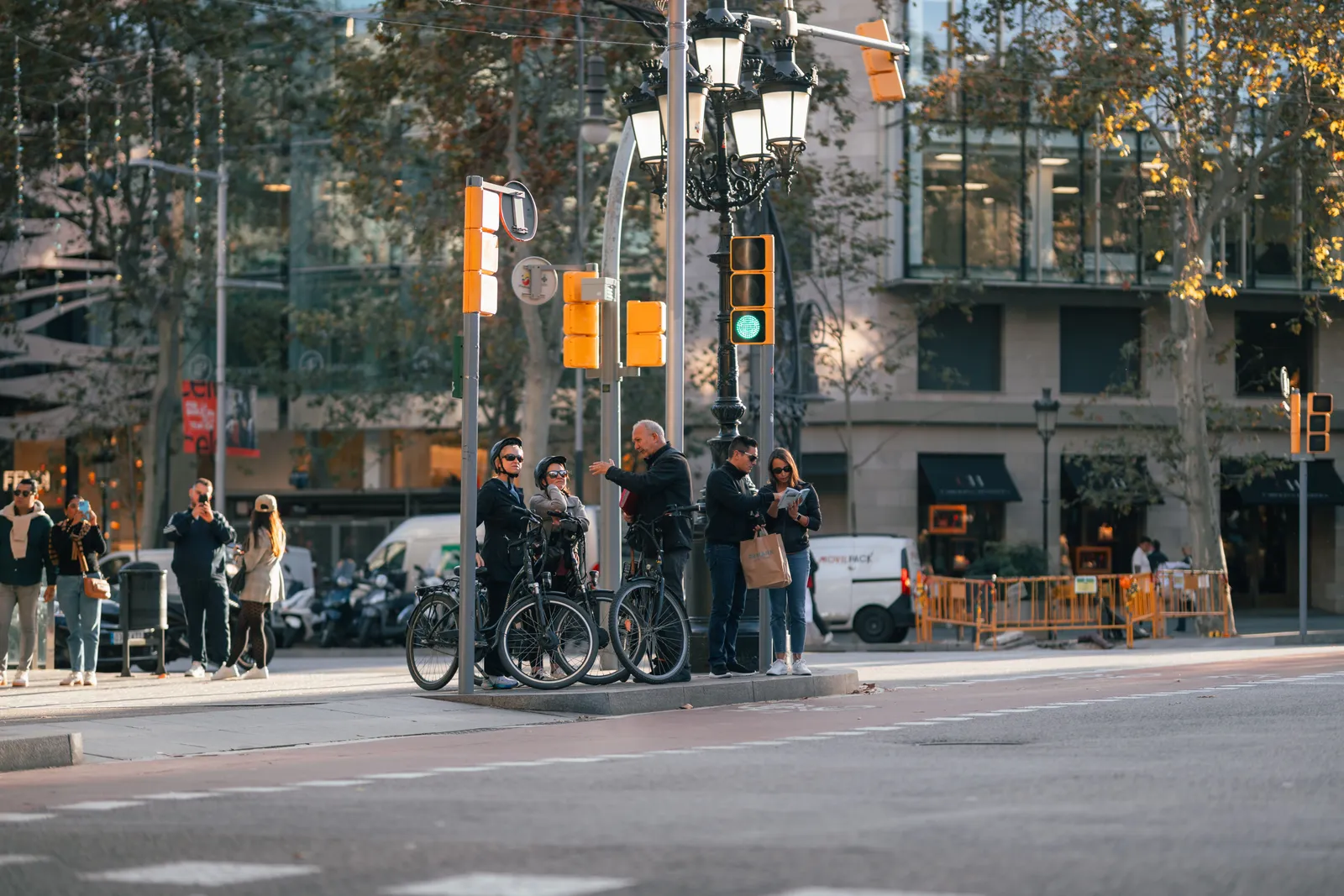
What visitors use instead are commercial hire shops, which are plentiful in the old city and near the beaches and rent by the hour or the day, and the various private app-based operators that come and go. Hire shops are also the better option for families, since they carry child seats and smaller frames.
Two things to settle before you hand over a card. What the deposit and the theft policy are, since bike theft in Barcelona is common and the difference between a shop that covers a stolen bike and one that charges you its full replacement value is the single largest financial risk in hiring one. And whether the lock supplied is a decent one, because a cable lock will not survive an hour outside a bar in the old city. If the plan involves leaving the bike anywhere unattended, that answer matters more than the bike does.
Flat city, steep city
Barcelona divides sharply in two for a cyclist.
The flat half is excellent: the Eixample grid, the seafront, the Poblenou side and the whole strip along the beaches. Wide streets, separated lanes, level ground, and enough connectivity that you can cross most of the useful city without touching heavy traffic.
The other half climbs. The city rises from the sea towards the Collserola ridge, and neighbourhoods like Gracia sit noticeably up that slope. Anyone who assumed a Mediterranean seafront city means flat riding will discover otherwise about ten minutes into a ride inland.
Plan routes along the coast and across the grid rather than up and down the hill, and the city is a pleasure. Our guide to getting around Barcelona covers how cycling fits alongside the metro, which is the right tool for the uphill legs.
The routes worth riding
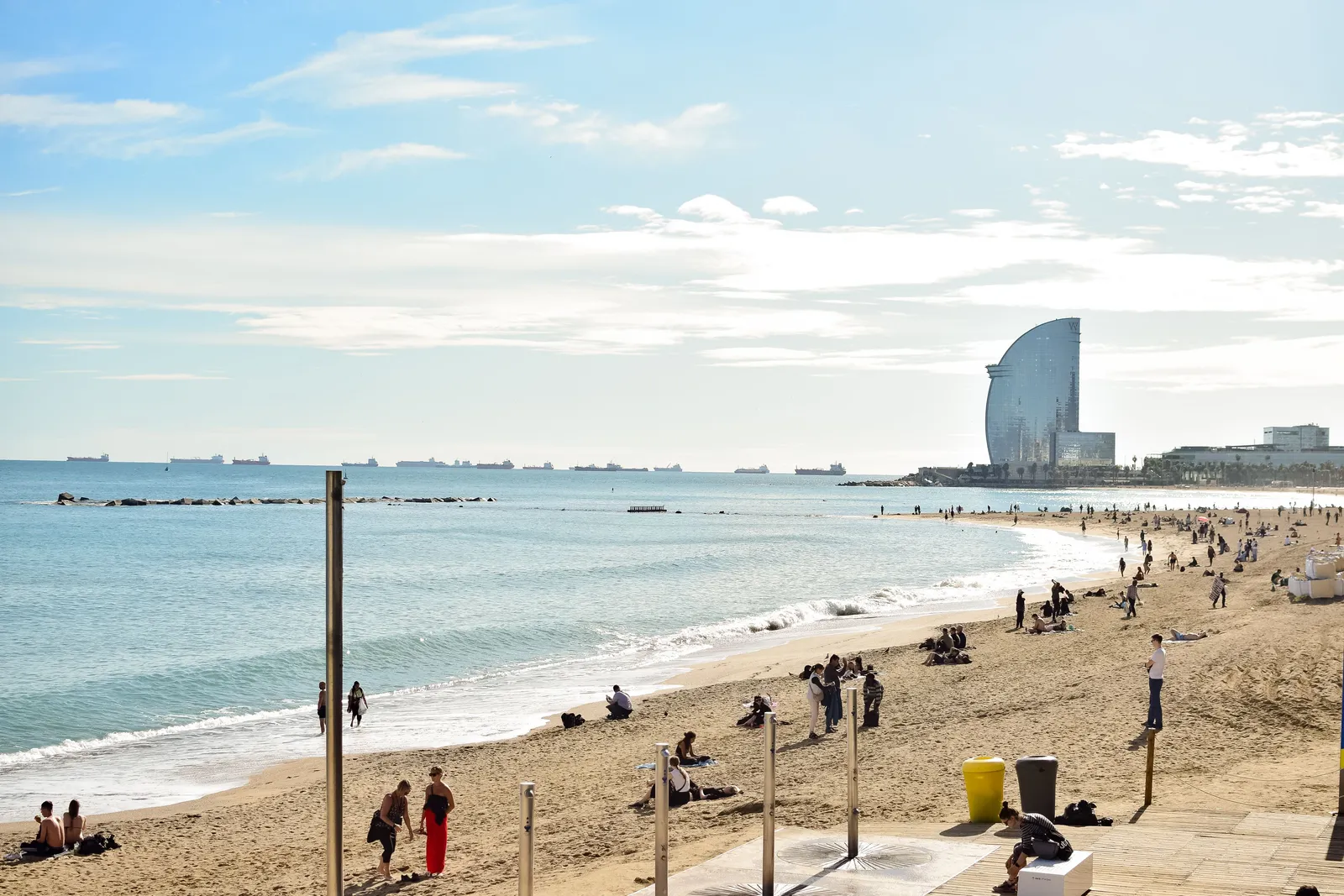
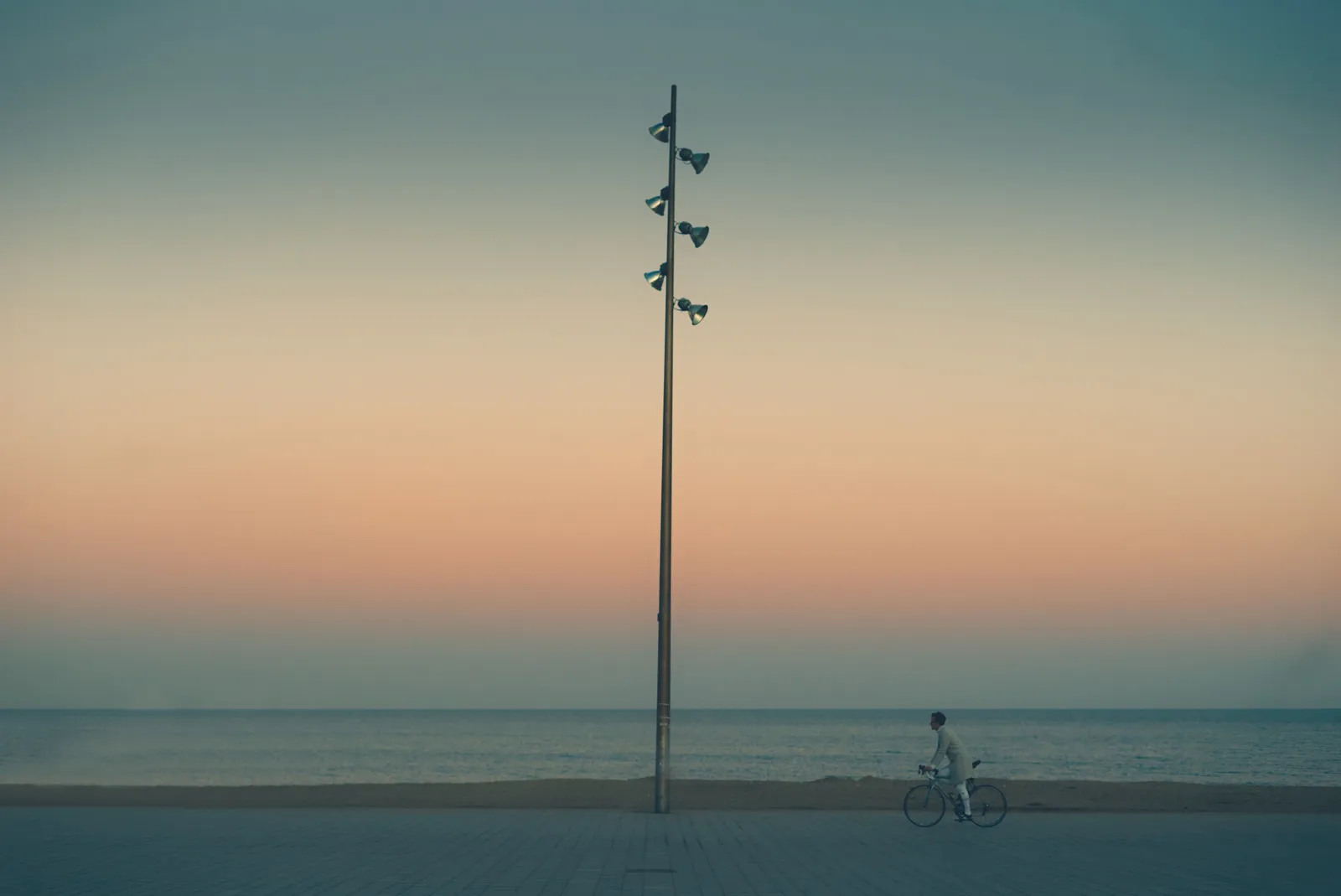
The seafront promenade is the obvious one and it deserves its reputation: continuous, flat, traffic-free and running the full length of the beach strip from Barceloneta northwards. It takes about ten minutes on a bike to reach the quieter beaches that take half an hour to walk to. Our Barceloneta guide covers what is at the near end.
Montjuic is the climb worth making, and there is a cable car and a funicular if you would rather not. The hill has quiet roads, gardens and viewpoints over the port, and our Montjuic guide covers what is up there.
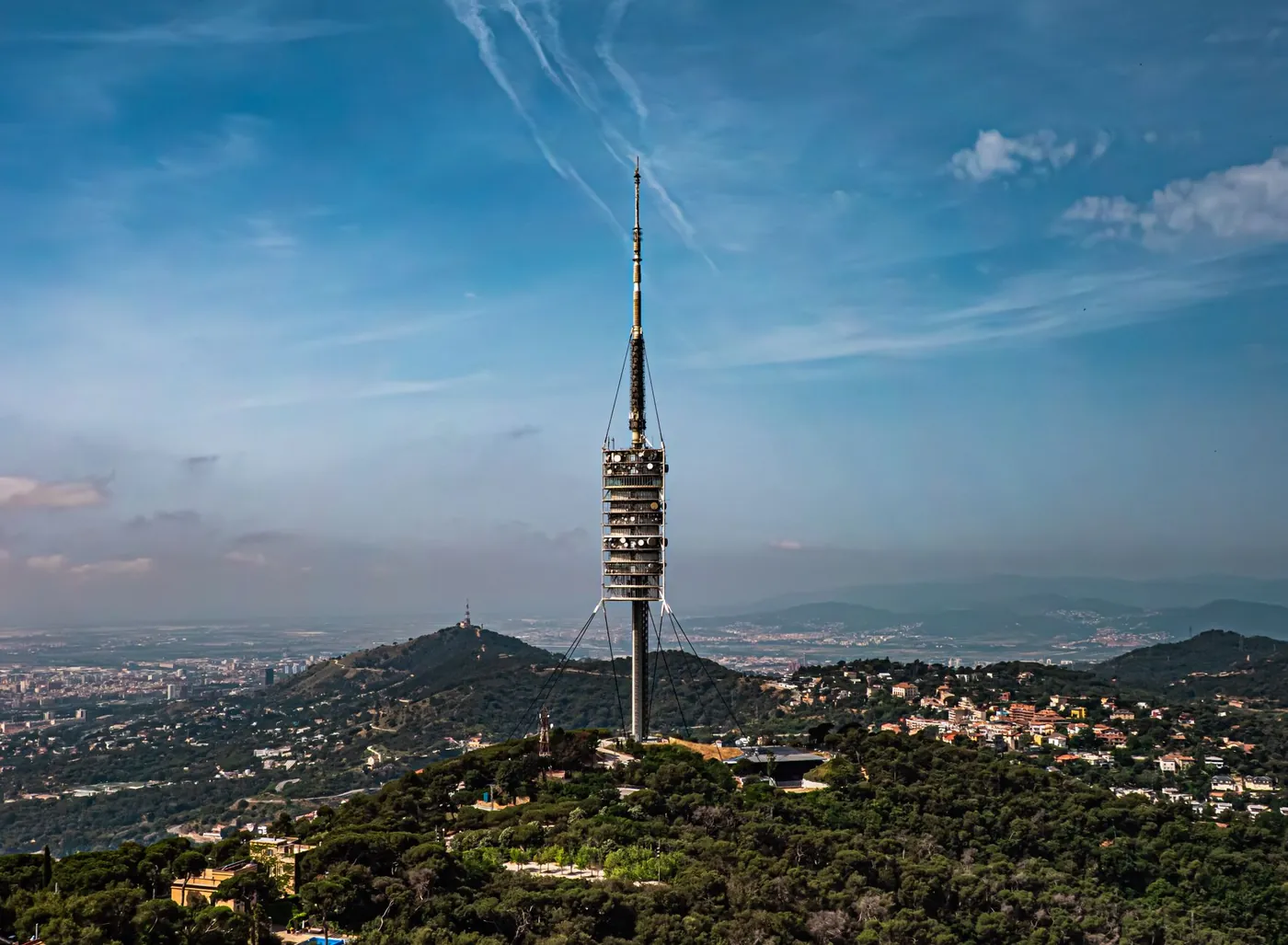
The Carretera de les Aigues is the one locals rate highest. It is an unpaved but essentially level track running along the flank of the Collserola hills, high above the city, with a continuous open view across the whole of Barcelona to the sea. The riding itself is easy. Getting up there is the effort, and most people take a train or a funicular partway.
A guided ride solves the map problemA first-visit tour handles which lanes connect and which hills to avoid, which is most of the difficultyThe rules that carry fines
Three things are worth knowing before you set off.
Pavement cycling is restricted across most of the city and enforced. This came in after years of friction in the old quarters, and it is the rule visitors break most often. Use the marked lanes or the road.
Lights and a bell are required at night, and hire bikes normally come with them. Check before an evening ride rather than after.
Helmets are not legally required for adults inside urban areas, though they are mandatory for under-sixteens and on interurban roads. Shops will offer one regardless.
Worth adding that electric scooters and bicycles are treated differently under the city’s rules, with restrictions on where they may be ridden and on carrying a passenger, and that the rules here have been revised repeatedly in recent years. If you hire anything with a motor rather than pedals alone, ask the shop what the current position is rather than assuming it matches the bike lane rules. The city police do enforce this, and the fines are not nominal.
The narrow lanes of the Gothic Quarter and El Born deserve a separate note: they are crowded, largely pedestrian and genuinely unpleasant to ride through. Pushing the bike is faster and everyone will be happier.
Hire or tour
For a first visit, a guided tour is usually the better buy. It removes the two real difficulties, which are knowing which lanes connect to which and avoiding gradients you did not sign up for, and it covers the old city, the seafront and the Olympic area in about three hours at a gentle pace.
For a second visit, or if the plan is simply to ride the seafront and swim at the far end, hiring for the day is cheaper and does the same job. Either way, keep the route on the flat half of the city and Barcelona turns out to be one of the more enjoyable places in Europe to be on a bike.