Barcelona runs one of the more generous free museum programmes in Europe, and it is one of the least understood things about visiting the city. The general shape is simple, the specifics change, and there are three catches that turn a good plan into a wasted afternoon. Here is how to use it properly.
The general pattern
The city’s municipal museums operate on a recurring free schedule rather than occasional open days. The recurring patterns are:
- Sunday afternoons, free from a set hour onwards
- The first Sunday of every month, free all day
- Certain public occasions and city festival days
Separately, several of the larger institutions run their own free windows, typically on a particular weekday evening, independent of the municipal scheme.
The important caveat is that the exact days and hours are set institution by institution and have been revised more than once in recent years. Any published list ages, including this one. Use the pattern to plan and confirm the specific museum on its own website before you go.
The three catches
Temporary exhibitions are usually excluded. Free entry almost always covers the permanent collection only, and the temporary show stays ticketed. At museums where the temporary exhibition is the whole reason for going, this makes the free window irrelevant.
You often still need to book. Several museums require a timed reservation even for free admission, the free slots are capped, and they disappear quickly. First Sundays go fastest. Treat the free slot exactly as you would a paid booking.
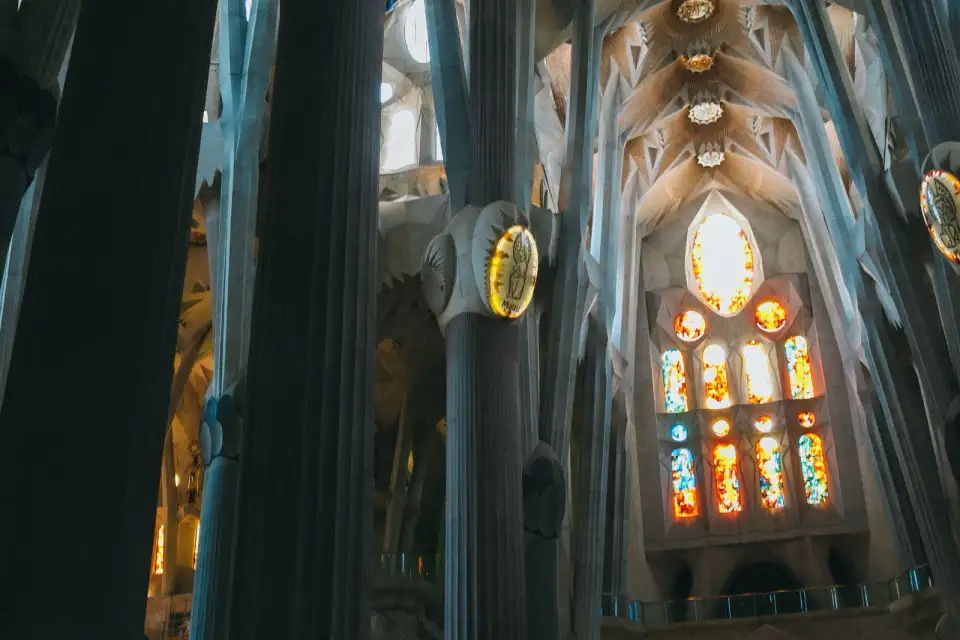
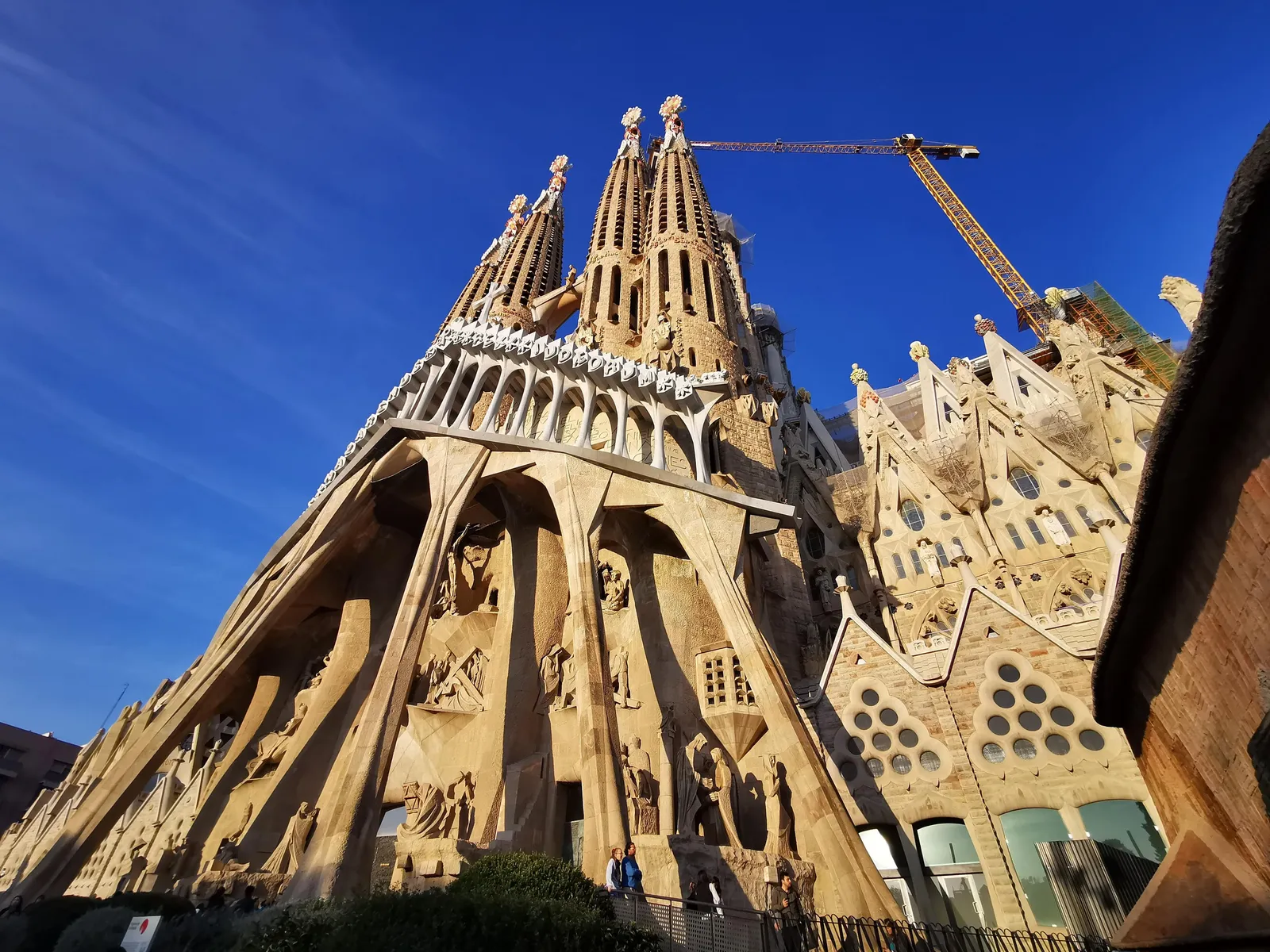
The Gaudi circuit is not included. This is the biggest misunderstanding. The Sagrada Familia is a basilica funded by its own ticket revenue, and the famous houses on Passeig de Gracia and the monumental zone of Park Guell are privately operated. None of them participates. The free programme covers museums.
Where it is actually worth using
The calculation differs by museum, and it comes down to size against ticket price.
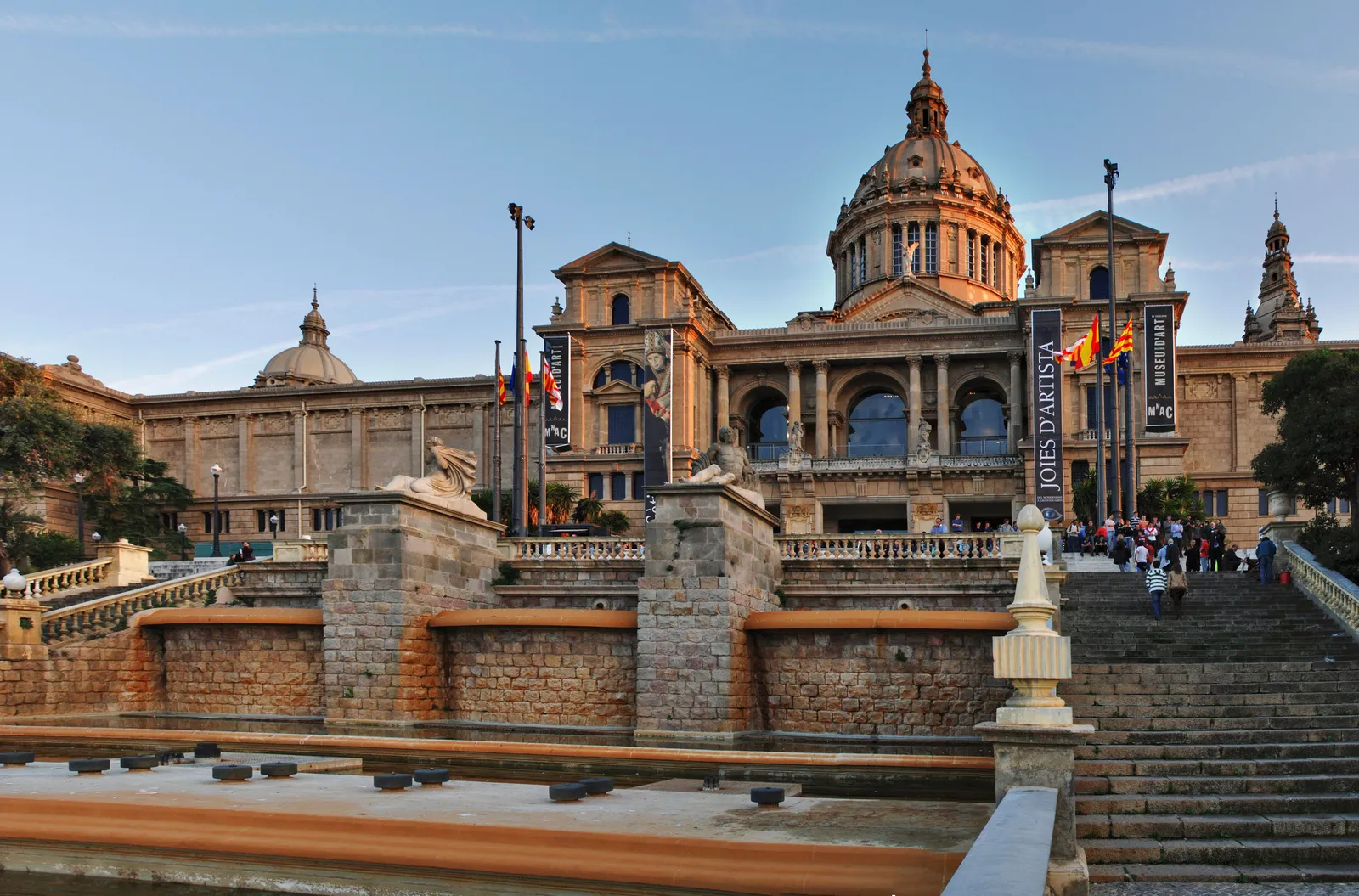
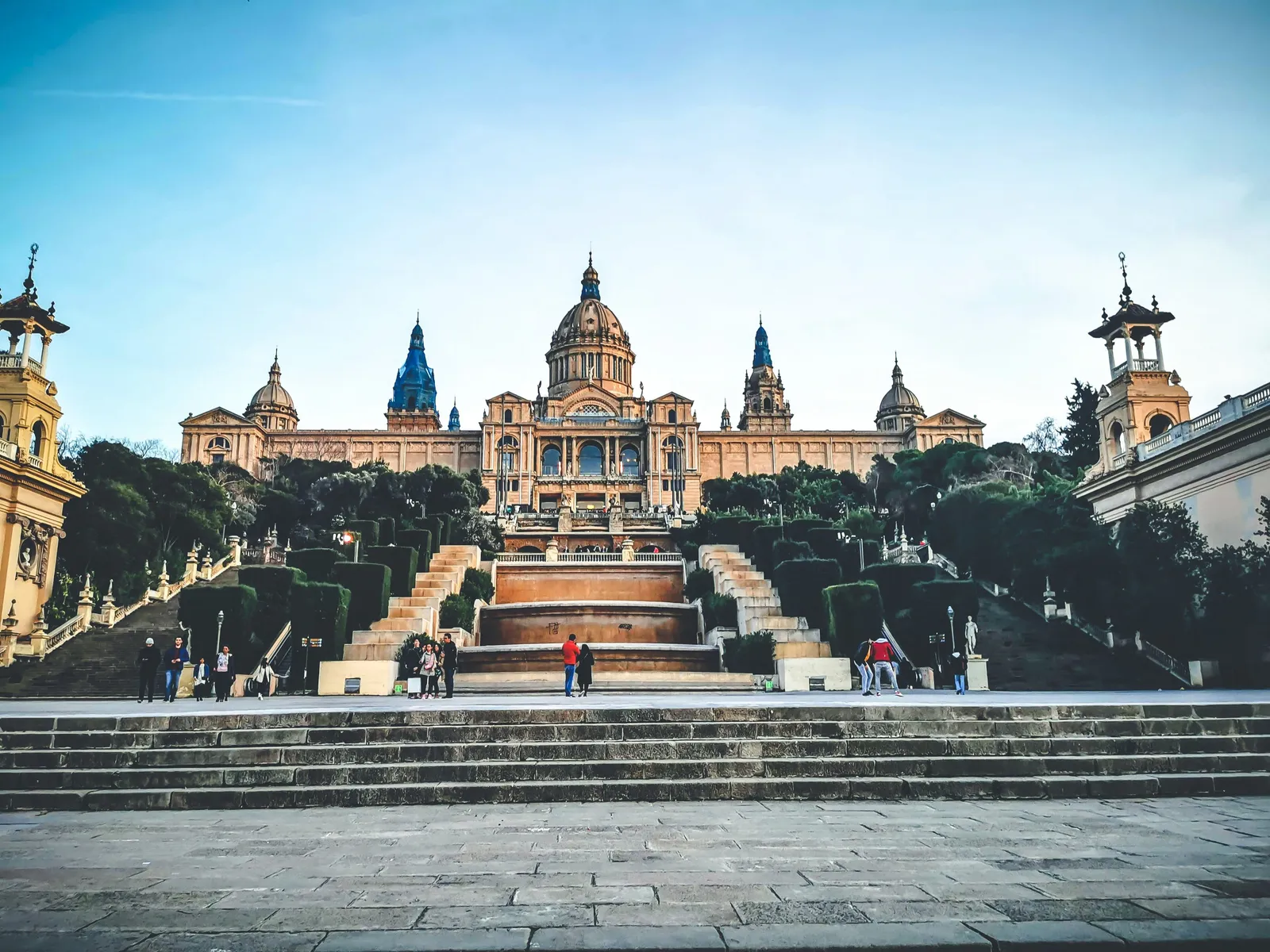
For the large institutions, where a paid ticket is a real expense and the building can absorb a crowd without feeling impossible, the free window is usually worth taking. The national art collection up on Montjuic is the clearest example: a very large museum, a substantial normal ticket, and enough room that a busy afternoon is still a good visit. Our Montjuic guide covers the hill and what else is up there, which makes a natural pairing.
For small museums with limited capacity, the free hours can be genuinely unpleasant, and paying a modest sum on a quiet weekday morning buys a far better experience. The art museums covered in our guide to the Picasso and Miro museums sit at different points on this scale, and the smaller of them is much better visited when it is quiet.
The Gaudi sites are the ones that need bookingThey are outside the free programme entirely, sell out well ahead, and are where advance tickets actually matterBuilding a trip around it
Two approaches work, and they suit different trips.
If you are in Barcelona over a first weekend of the month, that Sunday is worth structuring deliberately: pick two large museums, book whatever slots require booking as soon as they open, and accept the crowds.
If you are here at any other time, the Sunday afternoon window is the more relaxed option, since it is less of an event and draws smaller queues than the monthly free day. Slot one museum into it rather than three.
What does not work is arriving with a general intention to “do the free museums” and no specific bookings. The free programme rewards planning and punishes improvisation, which is the opposite of how most people expect free things to behave.
The things that are always free
Separately from the museum programme, a good deal of what makes Barcelona worth visiting costs nothing at any time and needs no booking at all.
The exteriors of the Gaudi buildings are the obvious case: the Sagrada Familia from the park opposite, Casa Batllo and Casa Mila from the pavement of Passeig de Gracia, and the free access zone of Park Guell, which covers a substantial part of the park even though the monumental core is ticketed.
The viewpoints cost nothing, including the old bunkers above Gracia and most of the Montjuic hill. The beaches and the seafront promenade are free and open. Several churches in the old city charge only for the towers or the crypt. And the markets, above all the Boqueria and Sant Antoni, are free to walk through and are among the more interesting hours in the city.
Set against a museum programme that requires checking schedules and booking slots, this is the easier half of free Barcelona, and for a short trip it is where the value actually is.
Where this sits in a first visit
For a short first trip, the honest answer is that the free museum programme should not drive your itinerary. The things most people come to Barcelona for, the Gaudi buildings above all, are outside it entirely and need booking well ahead. Our guide for first-time visitors sets that order out.
Where the free programme earns its place is on a longer stay, on a rainy day, or for anyone travelling on a tight budget, where it converts a substantial expense into nothing at all. Used with a booking and a bit of planning, it is one of the better deals in the city.