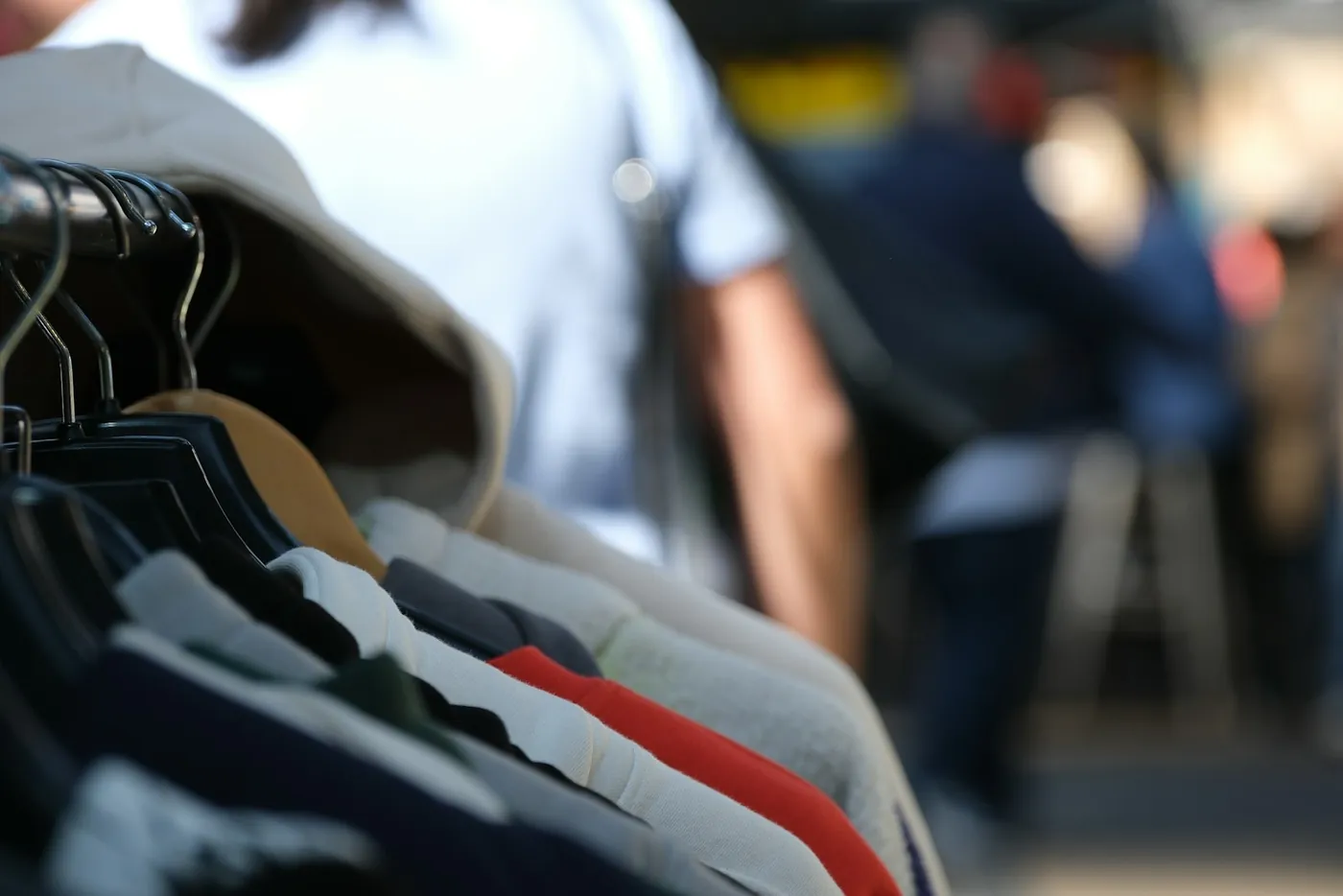
Barcelona is one of the better vintage cities in Europe, and not by accident. It has a long working-class second-hand tradition, a flea market that predates most of the modern city, a dense student population, and a climate that keeps clothes wearable for decades. The result is a scene that runs from a genuine morning auction of house-clearance lots to carefully curated rails where a single jacket costs more than a night’s accommodation. Knowing which is which saves both money and time.
Els Encants: the flea market at Glòries
Els Encants Barcelona, properly the Fira de Bellcaire, is the city’s oldest and largest flea market. It moved in 2013 into a striking structure at Plaça de les Glòries with a mirrored canopy roof that reflects the stalls below, which means it now looks like a piece of contemporary architecture and trades like a centuries-old junk market. Both things are true at once.
It typically opens Mondays, Wednesdays, Fridays and Saturdays, from the morning through to the evening, and closes on the other days. Days and hours shift around public holidays, so check encantsbcn.com before making a special trip.
Inside, it is organised on several levels. The ground level holds the traditional stalls, the messiest and cheapest part, where goods are heaped rather than displayed and the pleasure is in digging. Upper levels hold more organised second-hand and antique dealers, and there are permanent shop units around the edges.
What is actually worth buying: old tools, ceramics, glassware, vinyl, frames, lamps, hardware, cameras, and clothing if you have patience. What is generally not: mass-produced new goods that occupy a surprising amount of the market and are simply cheap imports rather than anything second hand.
The subhasta, the market’s oldest ritual
The part most visitors miss is the subhasta, the live auction. It runs early in the morning on the trading days other than Saturday, and it is the direct survival of how the market originally worked: lots from house clearances sold rapidly to a standing crowd of dealers.
It is conducted in Catalan and Spanish at speed, and it is not aimed at tourists in any way, which is exactly why it is worth seeing. You can watch freely. Bidding is another matter: you need to know values, you need to take what you win away with you, and you need to move fast. Treat it as a fifteen-minute spectacle at the start of a market morning rather than a shopping opportunity.
Carrer de la Riera Baixa and El Raval
If you want vintage clothing specifically rather than general second-hand goods, the answer is a single short street in El Raval.
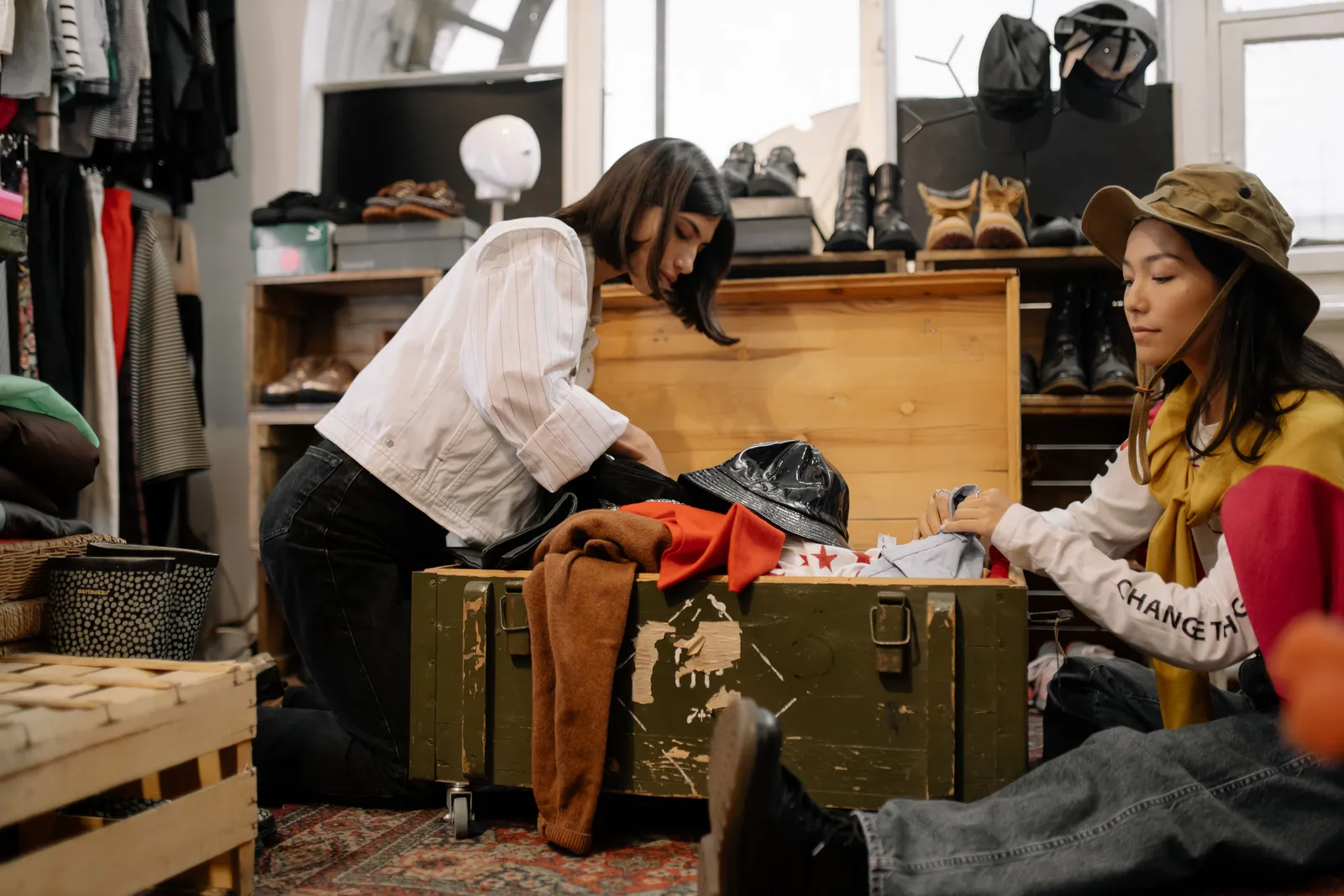
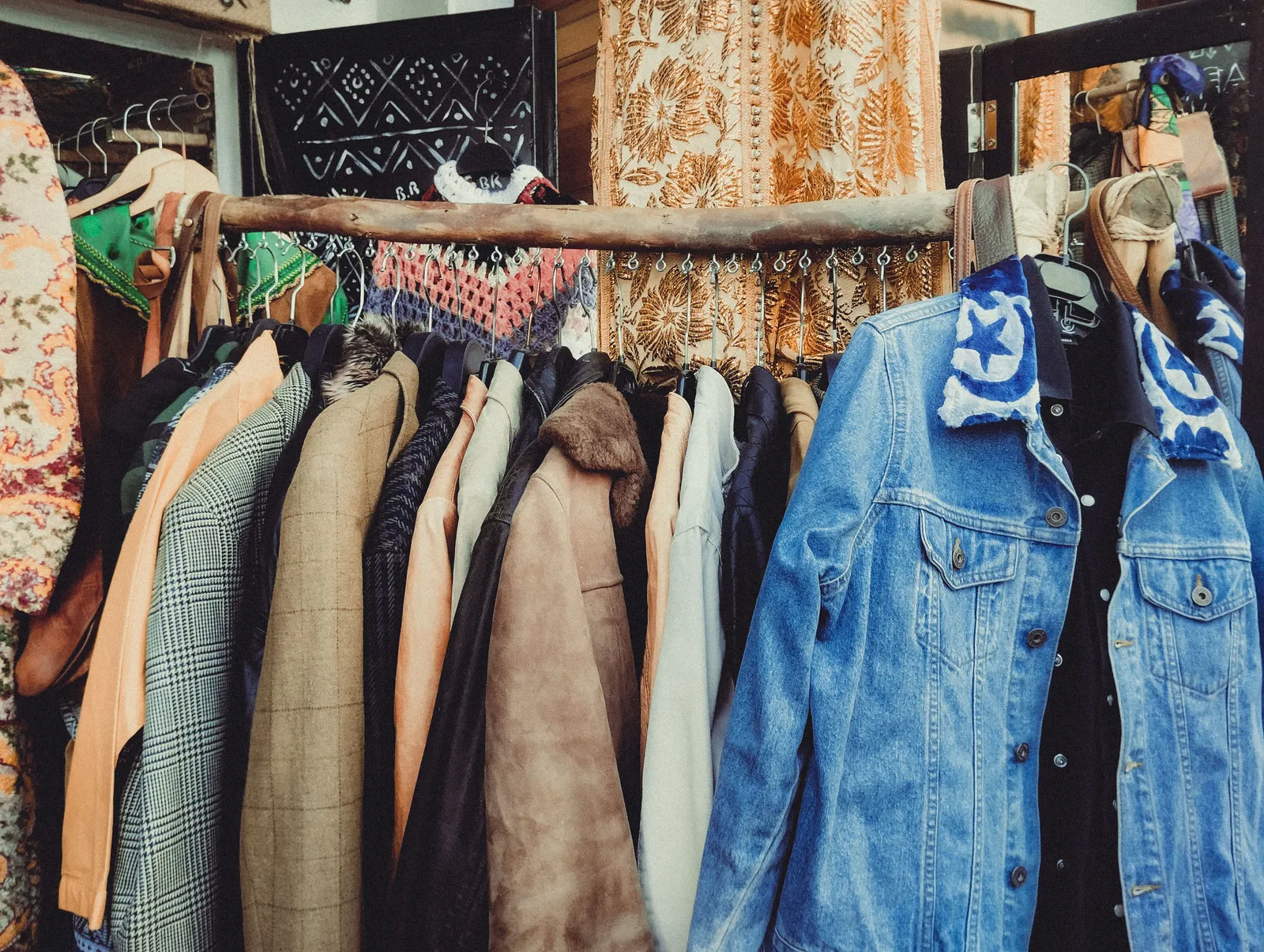
Carrer de la Riera Baixa has been the city’s vintage clothing street since the late twentieth century, a compact run of second-hand and vintage shops sitting side by side, with record shops mixed in among them. It is walkable end to end in a few minutes and browsable for a couple of hours.
On Saturdays the shops traditionally bring their rails out onto the pavement, roughly from late morning into the evening, turning the street into an informal open-air market. It is shop-led rather than an official market, so it can be thinner in poor weather, but Saturday remains the day to go.
The surrounding Raval streets have more of the same at a lower density, and the neighbourhood as a whole is scruffier, younger and considerably more interesting than the polished blocks north of Plaça de Catalunya. It is also a part of town where ordinary street sense applies, particularly at night.
See the markets with someone who knows the tradeA local-led market or neighbourhood walk is the fastest way to understand what is worth buying and what is imported fillerGràcia and El Born: the curated end
Gràcia is where the vintage scene goes when it grows up. The neighbourhood is a grid of narrow streets and small squares north of the Eixample, full of independent shops rather than chains, and its second-hand and vintage offering is smaller in volume but much better edited than the Raval’s. Prices are correspondingly higher. It also happens to be one of the most pleasant districts in the city simply to spend an afternoon in, which our guide to Gràcia covers in full.
El Born sits at the expensive end: designer resale, carefully curated decades, and shops that look like galleries. If you are hunting for a specific piece rather than browsing, this is where you find it, and you will pay for the curation.
The mainstream side of shopping in the city, meaning the big boulevards, the department stores and the concept shops, is a different exercise entirely and is covered in our Barcelona shopping guide.
Sant Antoni on a Sunday
The other fixture worth building a morning around is Sant Antoni. The Sunday market around the Mercat de Sant Antoni is devoted to second-hand books, comics, magazines, stamps, coins and collectables rather than clothing, and it has a devoted following among locals. It runs on Sunday mornings and is a genuinely different proposition from Els Encants: quieter, more specialised, and better for paper than for objects.
It pairs naturally with breakfast in the neighbourhood, which has become one of the more enjoyable parts of the city to eat in. Our Sant Antoni markets guide goes into the market building itself and the surrounding streets.
Practical tactics
Bring cash in small notes for market stalls; card acceptance has improved but is not universal at Els Encants. Go early for the best stock and late for the best prices, since sellers discount rather than repack. Bring a bag you can carry, because nothing at a flea market comes wrapped.
Check sizing physically rather than by label, since old European, British and American sizing differ from each other and from modern equivalents, and few market stalls have anything resembling a changing room. Inspect for moth damage, sweat marks and broken zips in daylight before paying, not after. And accept the basic bargain of the whole exercise: you will walk past several hundred things you do not want in order to find one you do.