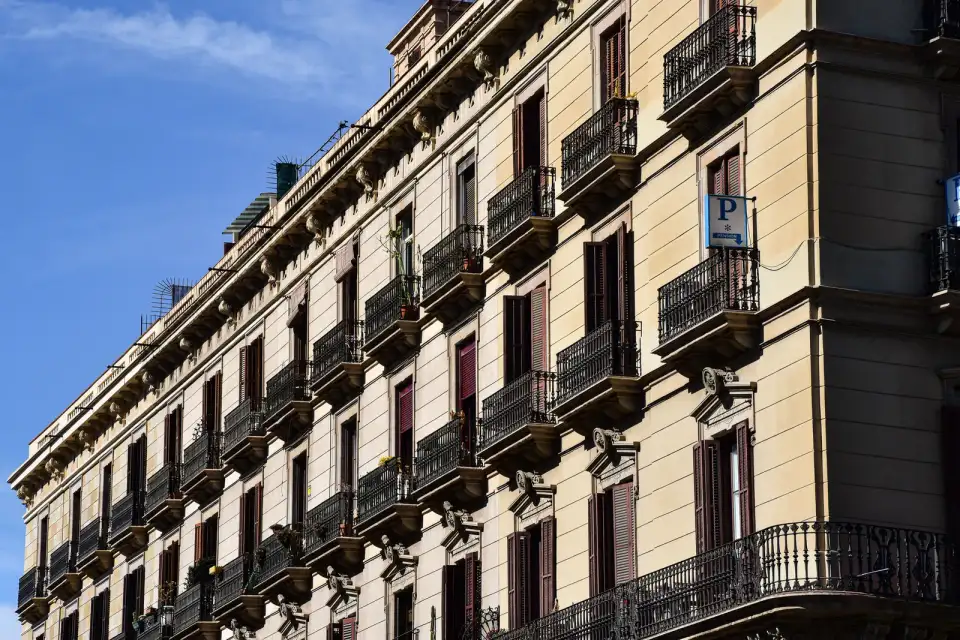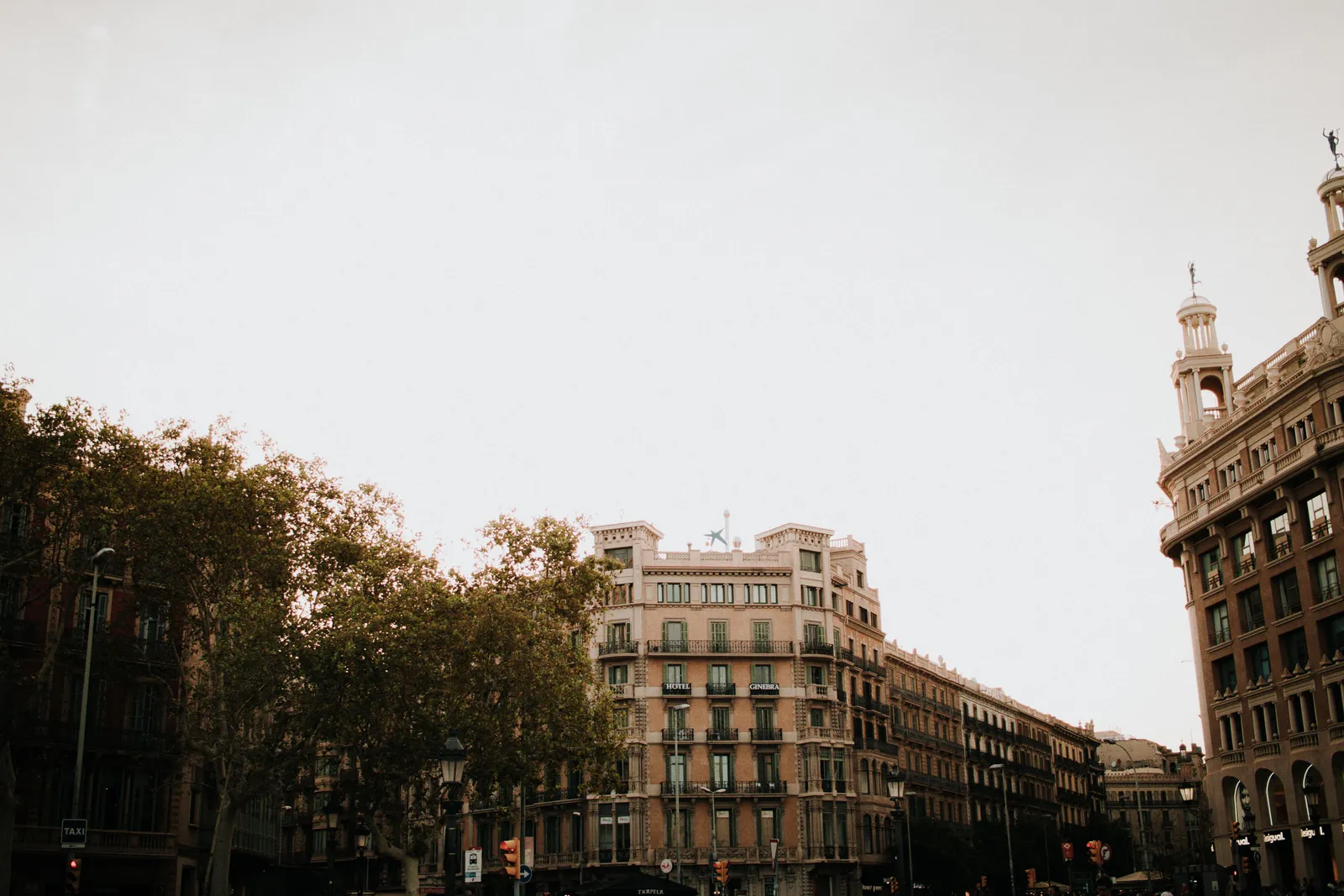
Passeig de Gràcia (Paseo de Gracia in Spanish) is Barcelona’s grand luxury boulevard and, just as much, an open-air museum of modernista architecture. The street itself is public and can be walked at any hour, while the shops along it keep ordinary retail hours, so check the individual shop before you plan around it.
Barcelona is unusually easy to shop in because the city sorts itself by type. Rather than one central district holding everything, each kind of shopping has its own street or neighbourhood, and knowing which is which saves a great deal of walking. Here is how the map divides, starting with the boulevard that is worth walking even if you buy nothing at all.
In short: Passeig de Gracia is the grand boulevard of the Eixample, home to Barcelona’s international luxury flagships and to the modernista facades of the Block of Discord, Casa Batllo, Casa Amatller and, further up, Casa Mila. The avenue itself is a public street you can walk at any hour, and because central Barcelona is a designated tourist zone, the main shops in the centre largely open on Sundays too. The big chains stay open through the middle of the day, while the independents in Gracia, El Born and Raval often close for a midday break. For familiar high street brands head to Portal de l Angel, and for anything distinctive go to the neighbourhood shops instead.
Passeig de Gracia: architecture that happens to sell handbags
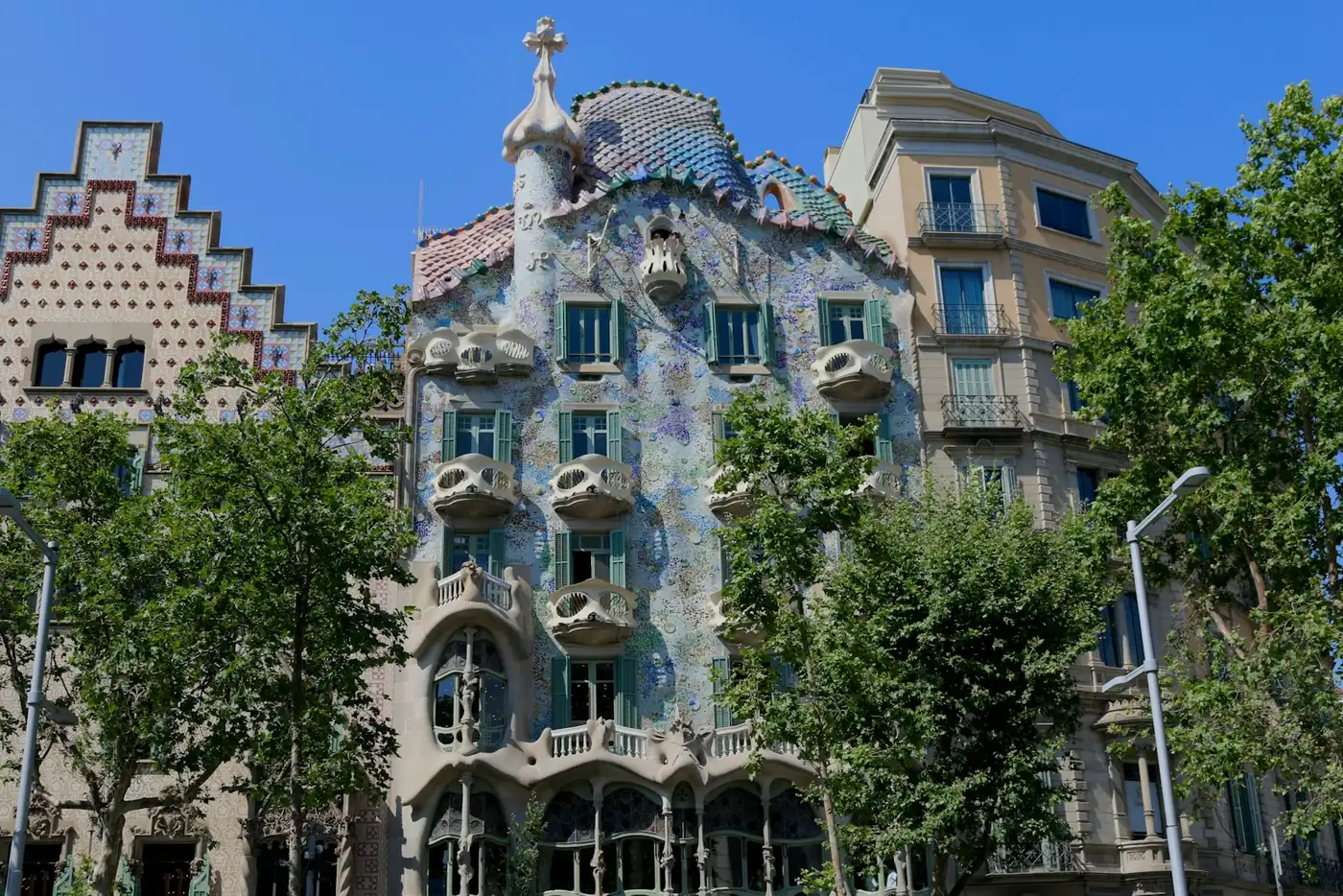
Passeig de Gracia is the grand avenue running north through the Eixample, and it holds the international luxury flagships. It is also, and more importantly, an open-air museum of modernisme.
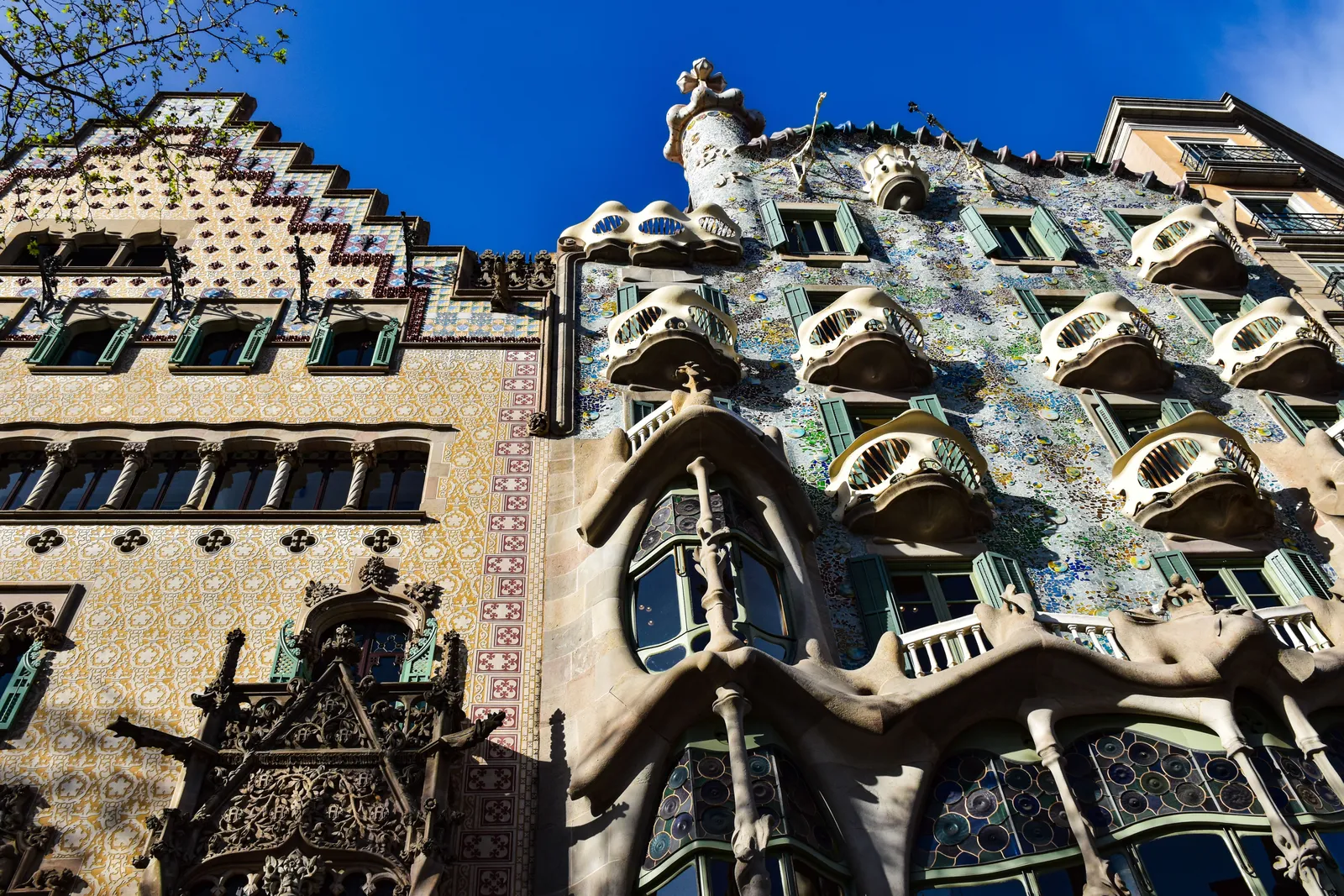
The Block of Discord
The stretch known as the Block of Discord carries four buildings by four leading architects of the movement standing almost shoulder to shoulder, each deliberately outdoing its neighbours. Casa Batllo and Casa Amatller sit directly adjacent and could not be less alike. Further up the same avenue is Casa Mila, better known as La Pedrera. Our comparison of Casa Batllo and Casa Mila covers which is worth going inside if you only do one.
Looking at the facades from the pavement costs nothing. Going inside is a separate, ticketed visit with its own hours and prices, so check the official site of each building rather than assuming it matches the shops next door.
Even the street furniture is part of it
The hexagonal paving tiles underfoot carry a design associated with Gaudi, and the ornate lampposts with their curved stone benches were designed for the avenue specifically. You can walk the whole thing, look at everything, and spend nothing.
When are the shops on Passeig de Gracia open?
The large flagships and chains generally trade through the day rather than closing at midday, commonly from mid morning until around eight or nine in the evening. That is an approximate pattern, not a promise, and individual shops vary, so confirm hours on the brand’s own page before a special trip. Thanks to the tourist-zone rules, many of them may also open on Sundays and public holidays in the summer season and on a few set dates, but not every Sunday of the year.
Portal de l Angel: the high street
Running from Placa Catalunya down towards the cathedral, Portal de l Angel is the busiest shopping street in Barcelona and among the most expensive retail addresses in the country. It is where the international mid-market chains cluster, one after another.
It is efficient if you want familiar brands in a single run. It is also relentlessly crowded, and it is the least distinctive street on this list. If you have limited time and want something you could not buy at home, this is the one to skip.
Gracia and El Born: the independents
Two neighbourhoods carry the independent trade, and they are very different from the boulevards.
Gracia
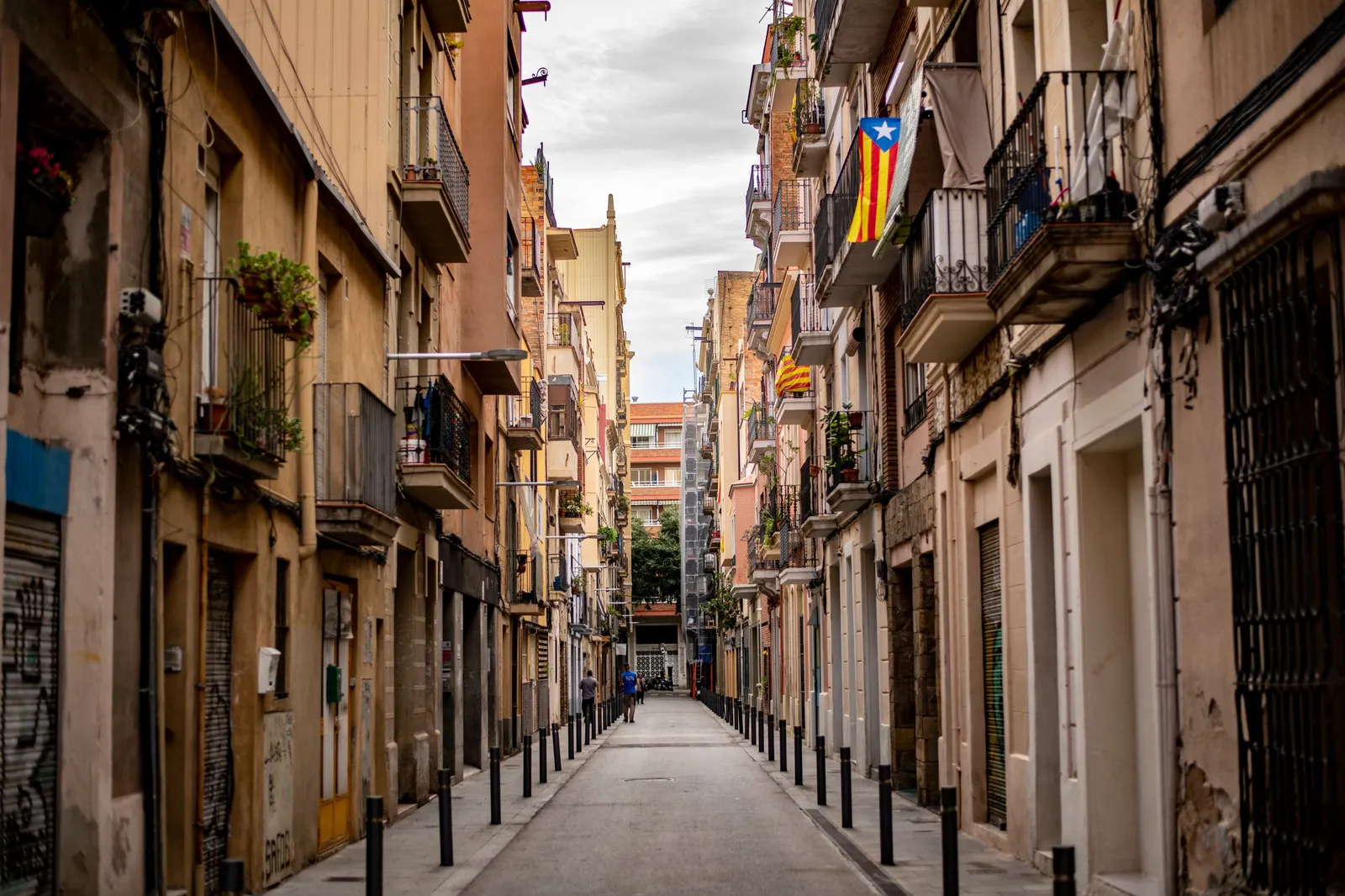
Gracia, north of the Eixample, keeps the layout of the separate town it once was: a chain of small squares with narrow streets between them, lined with independent clothing, ceramics, design and bookshops. Shopping there is more a matter of wandering than of destinations. Note that the neighbourhood is not the same thing as the boulevard, so make sure you know which one you are heading for.
El Born
El Born, in the old city, concentrates small designers, jewellers and craft studios in the lanes around the Santa Maria del Mar church. It is denser and more compact than Gracia, which makes it the better choice if you only have an hour or two.
The midday gap
Both keep more restricted hours than the big streets, and many independents close over the middle of the day and reopen in the late afternoon. Turning up at two expecting a full street of open shops is the standard mistake.
Staying in the middle of itA room in the Eixample or El Born puts the shopping streets on foot and removes the metro from the equation entirelyRaval: vintage and second hand
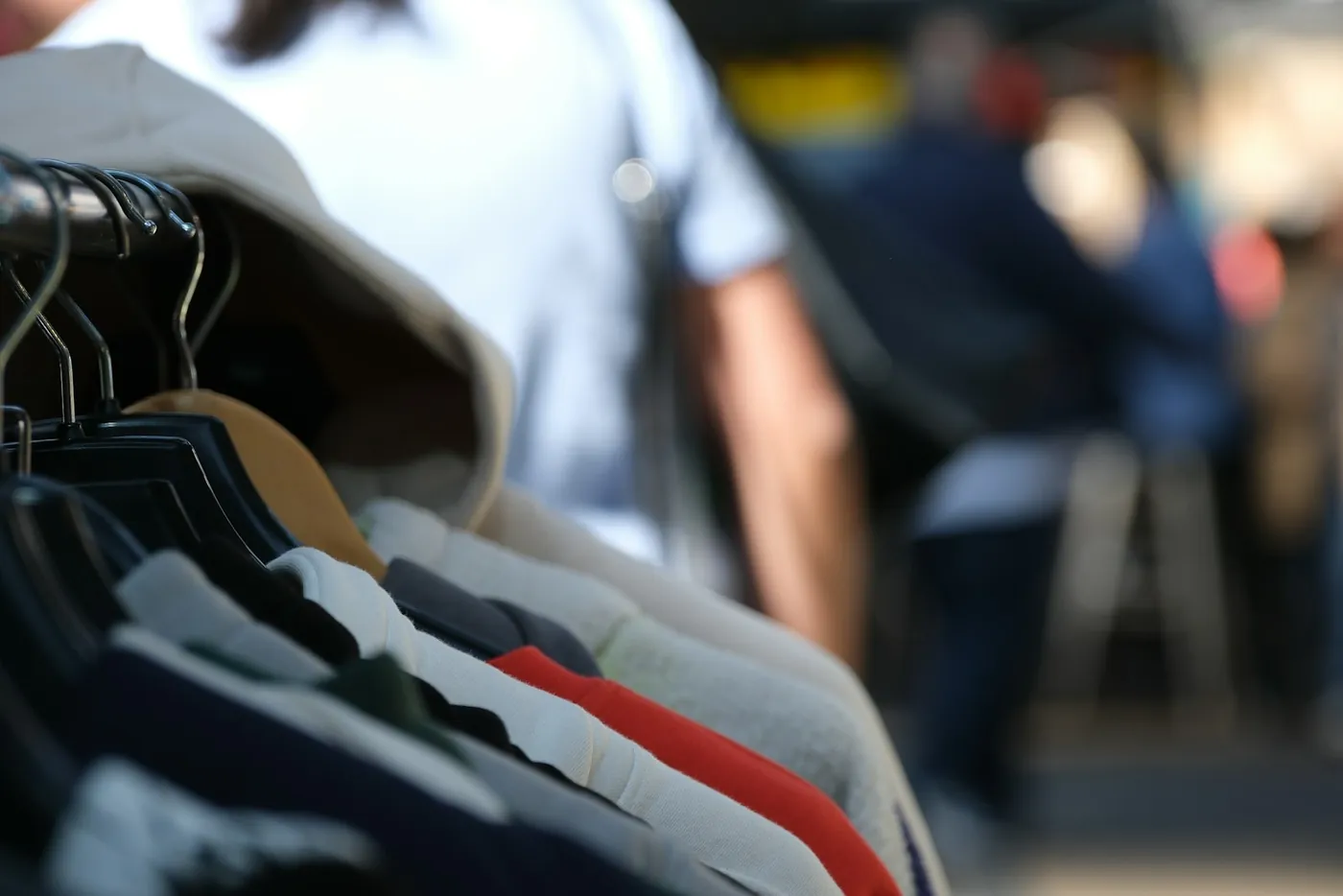
Carrer de la Riera Baixa in the Raval is the traditional heart of the second-hand trade, a short street of vintage clothing, records and streetwear with more of the same in the surrounding lanes. Prices bear no relation to the designer end of the city and the atmosphere is entirely different.
Hours here skew late. Mornings can be quiet to the point of being closed, and the street comes alive in the afternoon. It pairs better with a late lunch than with breakfast.
Which shopping street suits you?
The streets are easier to choose between once you see them side by side.
| Street or area | Best for | Feel | Hours pattern |
|---|---|---|---|
| Passeig de Gracia | Luxury flagships, modernista facades | Grand, busy around the Block of Discord | Largely through the day |
| Portal de l Angel | Familiar high street brands | The most crowded in the city | Largely through the day |
| Gracia | Independent clothing, ceramics, design, books | Village pace, wandering | Many close at midday |
| El Born | Small designers, jewellers, craft studios | Compact and dense | Many close at midday |
| Raval, Riera Baixa | Vintage, records, streetwear | Informal, cheaper | Late start, quiet mornings |
A few quick rules of thumb:
- If you came for the buildings and might buy a thing or two, choose Passeig de Gracia.
- If you want familiar brands in the least time, choose Portal de l Angel and accept the crowds.
- If you want something you cannot buy at home, choose Gracia or El Born.
- If you are on a budget and like rummaging, choose the Raval.
A simple way to plan the day
- Do the chain streets first. Passeig de Gracia and Portal de l Angel work through the middle of the day, so they suit the hours when the independents are shut.
- Walk Passeig de Gracia slowly, with the Block of Discord as the main stop, and decide whether to go inside any building. Our full Gaudi guide helps with that choice.
- Leave Gracia, El Born or the Raval for late afternoon, when the small shops have reopened.
- Do not try all of them in one day. Pairing two areas makes a good outing, and four is a march.
What is actually worth buying
Barcelona sells the same international brands as everywhere else, so the question worth asking is what is distinctive to here. Four things recur.
Espadrilles, the rope-soled canvas shoes, are made in Catalonia and Spain and a handful of long-established workshops in the old city still make them to order rather than importing them. Ceramics from Catalan and Valencian potteries are widely sold and travel better than they look, though the good ones are in the neighbourhood shops rather than the souvenir stalls on La Rambla.
Design objects are a genuine local strength, reflecting a city with a long industrial-design tradition, and the concept stores in El Born and the Eixample carry a great deal that is hard to find elsewhere. And food, meaning tinned seafood, olive oil, saffron and cured meat, is the most reliably good souvenir in the city and the one most visitors overlook, though anyone flying home outside the EU should check what their own customs rules allow before buying meat or cheese.
What is not worth buying is anything sold from a stall on La Rambla itself, which is the one shopping rule in Barcelona that has no exceptions.
The practical rules
Three things decide whether a shopping day works.
Sundays
Spanish and Catalan rules restrict Sunday retail opening. Central Barcelona’s tourist zone has allowed Sunday and holiday opening during a summer season and on a few authorised dates, so a Sunday in July and a Sunday in February can look very different. Neighbourhood shops outside the zone are generally closed.
The middle of the day
The big chains stay open through it. Independents in Gracia, El Born and Raval frequently do not.
Tax refunds
Residents outside the EU can reclaim Spanish VAT, and Spain removed the old minimum spend, so any amount qualifies in principle. Ask the shop for the paperwork at the time of purchase, keep it safe, and allow extra time at the airport, where validation queues get long in summer. Check the current procedure on the official source before you fly, since it runs through an electronic system.
Common mistakes
- Arriving at Gracia or El Born at two in the afternoon and finding shutters down.
- Expecting Portal de l Angel to offer anything distinctive.
- Buying souvenirs from La Rambla stalls.
- Leaving tax paperwork until you are at the airport.
- Squeezing every street into a single day.
For the wider picture, including the markets and the department stores, our guide to shopping in Barcelona covers the ground beyond these streets.
The short version
Walk Passeig de Gracia for the architecture and treat the shops as a bonus. Use Portal de l Angel only for familiar brands, head to Gracia and El Born for independents in the late afternoon, and try the Raval for vintage. Which kind of shopper are you: here for the facades, the flagships, or the small studios nobody else has found?