If you only have one day outside Barcelona, pick Montserrat if you have half a day, no car, or you are travelling outside summer, and pick the Costa Brava if it is June to September, you want a swim and you can drive or book a tour. Most Barcelona trips have room for exactly one day out, and the shortlist almost always comes down to these two: the monastery pinned to a saw-toothed mountain an hour inland, and the wild coast of coves and medieval towns to the north. They are both superb and completely different days. Here is how to pick.
In short: Costa Brava vs Montserrat comes down to mountain or sea. Montserrat is the easy one: a direct FGC R5 train from Plaça d’Espanya, a cable car or rack railway up, around €40 in tickets, and back in Barcelona by late afternoon, all year round. The Costa Brava is a full coastal day of coves and medieval towns, best from June to September for swimming, and realistically needs a rental car or a tour. Short trips and travellers without a car should pick Montserrat; summer travellers who want a swim should pick the Costa Brava.
Two very different days
What a Montserrat day feels like
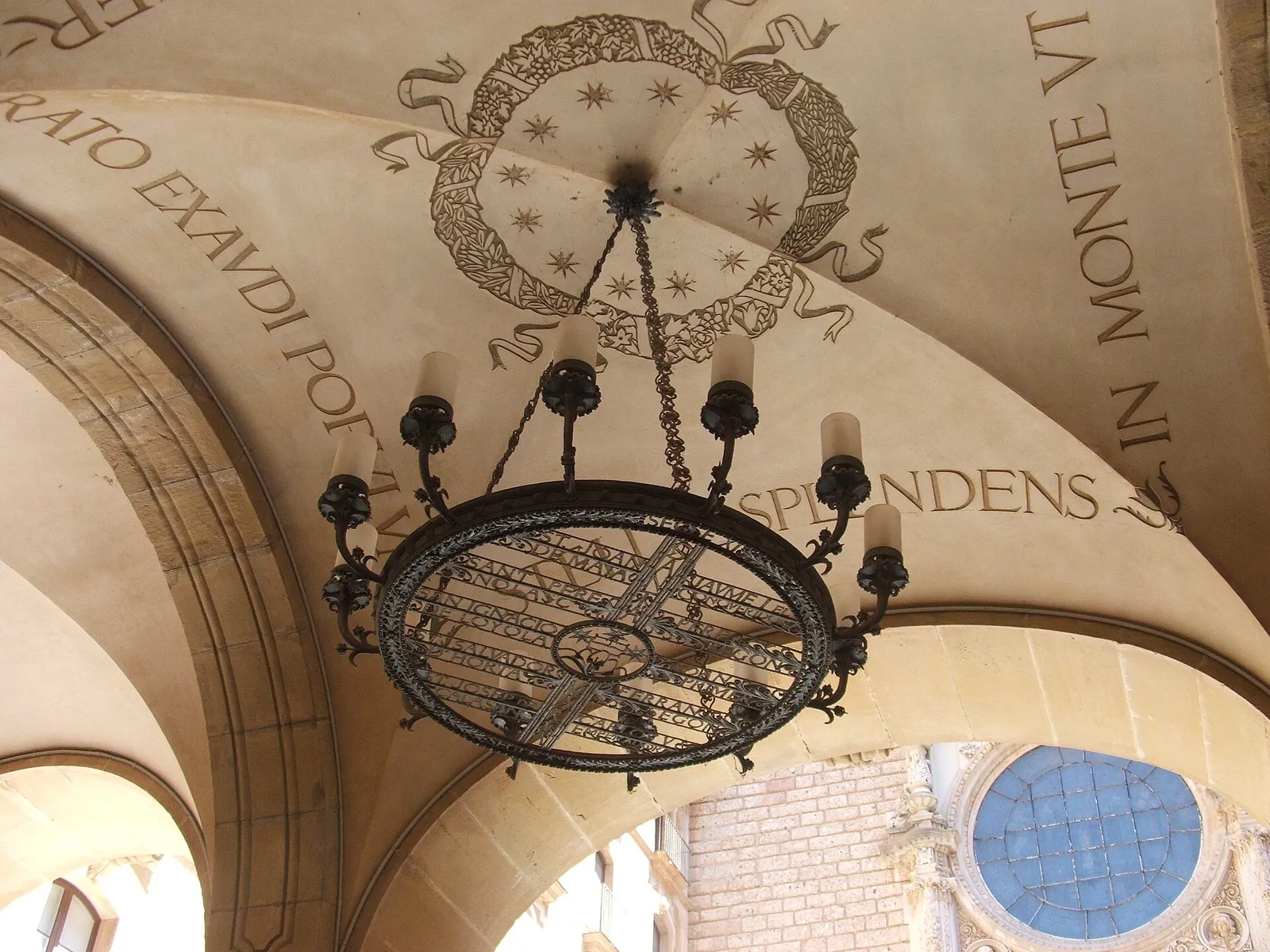
Montserrat is a mountain day. A train from Plaça d’Espanya and a cable car or rack railway lift you high up the mountain to a Benedictine monastery wedged into rock formations that look designed by, well, Gaudí, who was in fact obsessed with them. You walk to viewpoints, ride the little funiculars, hear the famous boys’ choir if the timing works, and are back in Barcelona by late afternoon. Check the official monastery website for choir times before you plan around them, as they vary by day and season.
What a Costa Brava day feels like
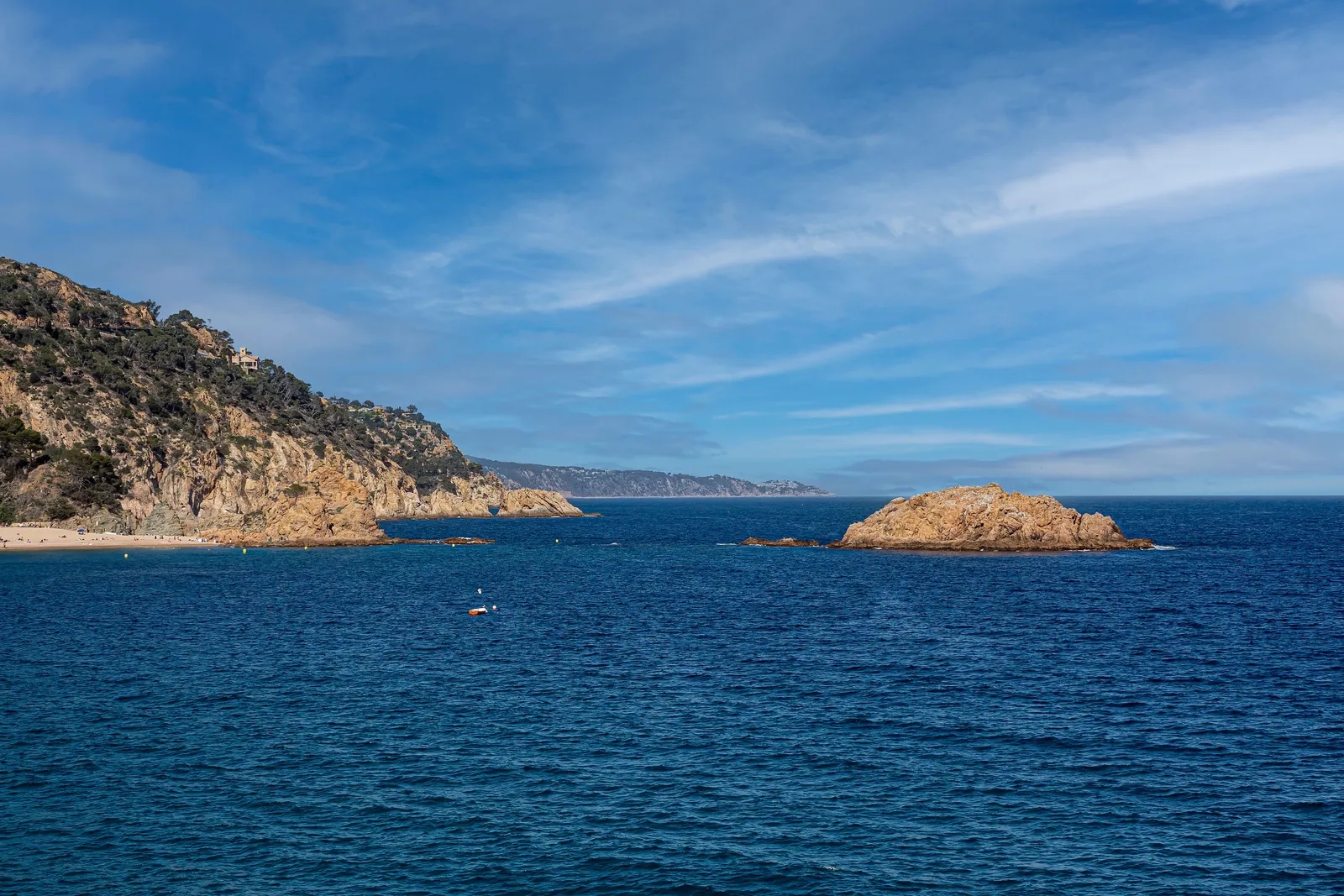
The Costa Brava is a coast day. Beginning about 90 minutes north of the city, the shoreline breaks into pine-backed coves, whitewashed fishing villages like Calella de Palafrugell, and walled medieval towns such as Pals and Tossa de Mar. It is arguably the most beautiful stretch of Mediterranean coast in Spain, and it asks for a full day and, ideally, wheels. The rhythm is slower than Montserrat: a swim, a long lunch, a stretch of coastal path, a town to wander.

Logistics and effort
This is where the two trips separate. Montserrat is effortless without a car. The FGC R5 train runs direct from Plaça d’Espanya, combined tickets bundle the ascent and funiculars, and the whole day is signposted for visitors. It even pairs with a normal Barcelona evening, since you return early; see our transport guide for how the city side works.
Getting to Montserrat step by step
- Take the FGC R5 train from Plaça d’Espanya toward Manresa. The ride takes about an hour.
- Buy a combined ticket at the station covering the train, the ascent and the funiculars. It is the simplest way to do the day.
- Choose your way up, the cable car or the rack railway, and follow the signs.
- Leave at around nine if you can. You will beat the midday coach groups and still be back by late afternoon.
Getting around the Costa Brava
The Costa Brava punishes the carless. Buses reach the headline towns such as Tossa de Mar, Calella de Palafrugell and Begur, but the magic lives between them, in the coves and the coastal footpath, the Camí de Ronda, that links them. Connections between coves are slow, so a bus-only day often turns into one town and a lot of waiting. Realistically you rent a car or book a tour. With either, a classic loop is Tossa de Mar, then Calella de Palafrugell and Llafranc, with Pals or Begur if the light holds.
Two stops is a comfortable day, and three is the ceiling. The best coves start about 90 minutes from Barcelona, so a day with two or three stops runs to roughly 12 hours door to door.
Driving licence for the Costa Brava
If you plan to drive, sort your International Driving Permit at home first. Holders of US, Australian, Canadian and South African licences should carry one, and Spanish rental desks routinely refuse the car to non-EU licence holders who arrive without it. EU licences need nothing, and a UK photocard licence is fine for a short visit. You cannot get an IDP once you have landed.
Cost, seasons and crowds
What each day costs
Montserrat costs about €40 in transport and ascent tickets, monastery free, and needs no car. A Costa Brava day runs noticeably more once a car or tour is involved: a rental plus fuel and tolls, or a guided tour, before you have bought lunch. Prices change, so confirm current fares and rental rates on the official sources before you book.
When to go
Montserrat works year-round and can even be clearest in winter. Go early or on a weekday, because midday coach groups are real.
The Costa Brava is season-sensitive. June to September is for swimming, with the sea warmest in August and September. Spring and autumn suit hiking the Camí de Ronda in peace, and August brings crowds you may not love. Outside swimming months the coast is still lovely, but treat it as a scenery trip rather than a beach day. If your beach needs are modest, remember that Barcelona has its own city beaches for a no-logistics swim.
Montserrat vs Costa Brava at a glance
| Montserrat | Costa Brava | |
|---|---|---|
| The day in one word | Mountain | Coast |
| Time needed | Half to three-quarter day | Full day, about 12 hours |
| Car needed | No, direct train | Realistically yes, or a tour |
| Cost per person | Around €40 plus lunch | Car or tour, meaningfully more |
| Best season | Year-round | June to September for swimming |
| Signature moment | Monastery amid the peaks | Camí de Ronda between coves |
| Crowds | Midday coach groups | August beach crowds |

What about Girona?
Some readers weigh Montserrat against Girona instead, and that is a different kind of choice. Montserrat is a landscape day, built around rock, viewpoints and walking. Girona is a historic city day, built around old streets and wandering. So the question is less “which is better” and more “do I want scenery or a town to explore?” If it is scenery, Montserrat is the easier trip. If you would rather stroll an old quarter, Girona deserves a look, and the overview linked below lays it out next to the other options.
Common mistakes to avoid
- Reaching Montserrat at midday. That is when the coach groups arrive. An early start gives you quieter viewpoints and an easier day.
- Trying to see the whole Costa Brava in one go. Two or three stops is plenty. More means a day spent in the car.
- Relying on buses between coves. They link towns, not the hidden coves in between, so build the day around a car or a tour.
- Expecting a beach day in winter. The coast half-sleeps off-season. Go for the walking and the towns, not the swim.
- Turning up at the rental desk without an IDP. If your licence needs one, you cannot fix it after landing.
Whichever way you go
If the mountain wins, our full Montserrat day trip guide covers the two ways up, the timing that avoids the coaches and the walks above the monastery that most visitors never find.
And if you are weighing this against a second city rather than a second day trip, our comparison of Barcelona and Madrid takes that decision seriously, including how differently the two cities handle a summer afternoon.
These two are the headline pair rather than the whole field, and our overview of the day trips from Barcelona sets them alongside Girona, Sitges and Figueres if neither is quite what you want.
So which should you choose
Short trips and first-timers: Montserrat. It fits a half day, needs no car, and the scenery is a genuine jaw-dropper; a natural add-on to a first Barcelona itinerary.
Summer travellers who want a swim: Costa Brava. Warm coves under pine trees beat any city beach, and June or September gives you the sea without the August crush.
Travellers without a car who will not book a tour: Montserrat, no contest. The train does everything.
Hikers: either, honestly. Montserrat has summit trails above the monastery; the Costa Brava has the Camí de Ronda, one of the great easy coastal walks in Europe. Pick mountain or sea.
Photographers and slow travellers: Costa Brava, with a car and no fixed plan.
Winter visitors: Montserrat. The coast half-sleeps off-season, while the mountain is open, quiet and often crystal clear.
If you can spare two days: do both, Montserrat first as the easy half day, the Costa Brava as the full one. They rank one and two among Barcelona escapes for good reason.
In short, Montserrat wins on ease, cost and year-round reliability, while the Costa Brava wins on summer swimming and the sheer pleasure of a slow coastal day. Which pulls you more: the mountain or the sea?