Barcelona is a city of villages, and the one you sleep in shapes everything: how far you walk to dinner, how loud your nights are, how local your mornings feel. Here is what each of the main neighborhoods is really like, so you can match it to the trip you want.
The Gothic Quarter, the medieval heart
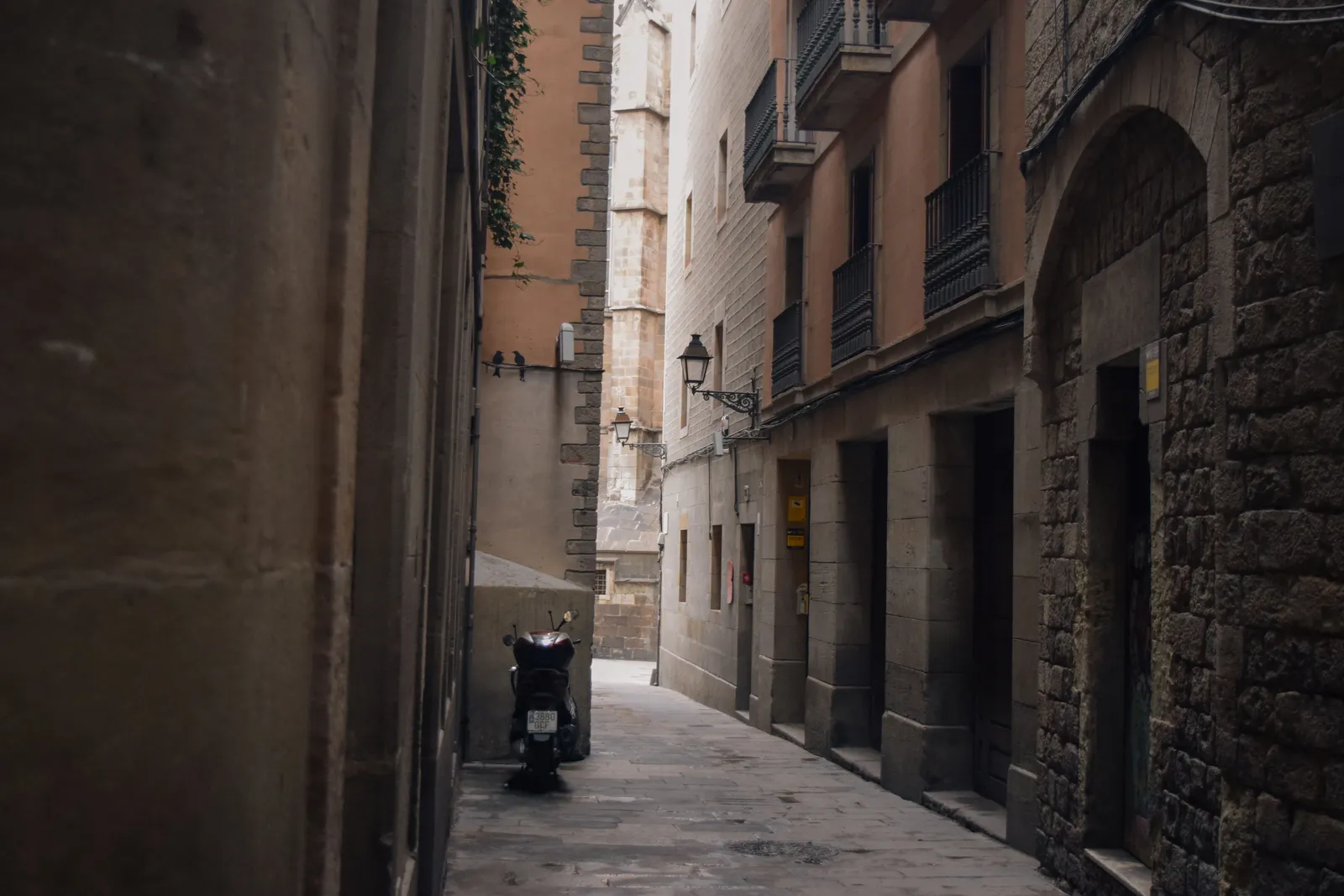
The Barri Gòtic is the Barcelona of the postcards: a maze of stone alleys, hidden squares, Roman walls and the great cathedral, all packed into a few dense blocks. It is atmospheric and central, steps from La Rambla and the port. The trade-off is noise and crowds, and streets so narrow the sun rarely reaches them. Perfect for a first visit if you want history on your doorstep and do not mind a lively night.
The catch nobody mentions
Because the Gòtic sits right on La Rambla, the streets closest to it fill with bar crawls and late-night wandering. If you are a light sleeper, ask for a room facing an interior courtyard rather than the street, and aim for the quieter pockets around Plaça de Sant Just or Plaça del Pi rather than the tourist spine. The reward is that everything is walkable, and you can be at the waterfront in ten minutes.
El Born, style next door
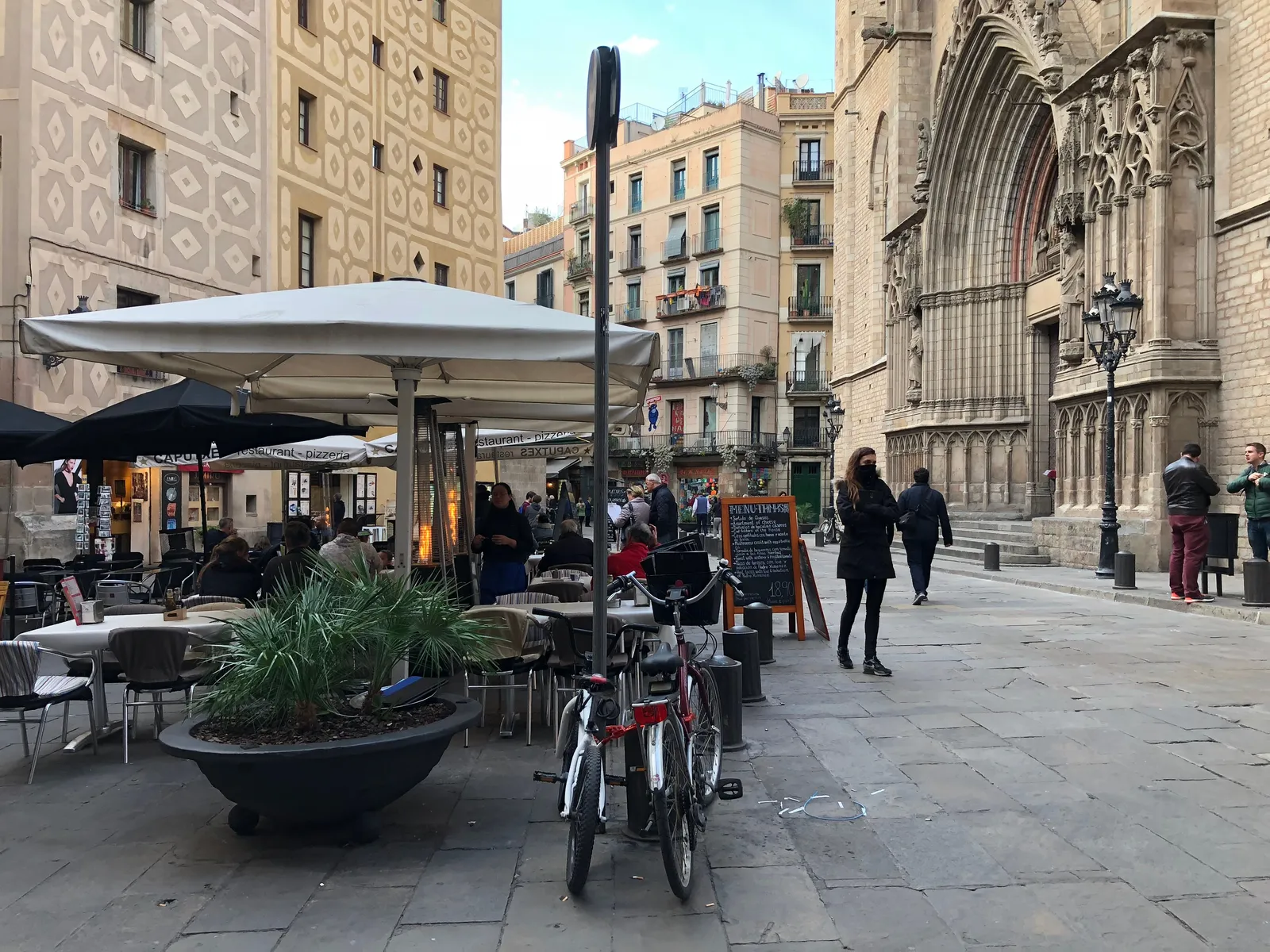
Just east across Via Laietana, El Born is the Gothic Quarter’s cooler cousin: the same medieval bones, but with boutiques, design bars, the Picasso Museum and the beautiful basilica of Santa Maria del Mar. It is walkable, central and a little calmer at night than the Gòtic. A great pick for couples and repeat visitors.
Who El Born suits best
If you want to be central but wake up to bakeries and independent shops rather than souvenir stalls, this is the sweet spot. The area around Passeig del Born and Carrer del Rec has the best browsing, while the streets nearer the Parc de la Ciutadella feel greener and quieter. It is my go-to recommendation for a second visit, when you already know the big sights and want to live a little more like a local.
The Eixample, grand and easy
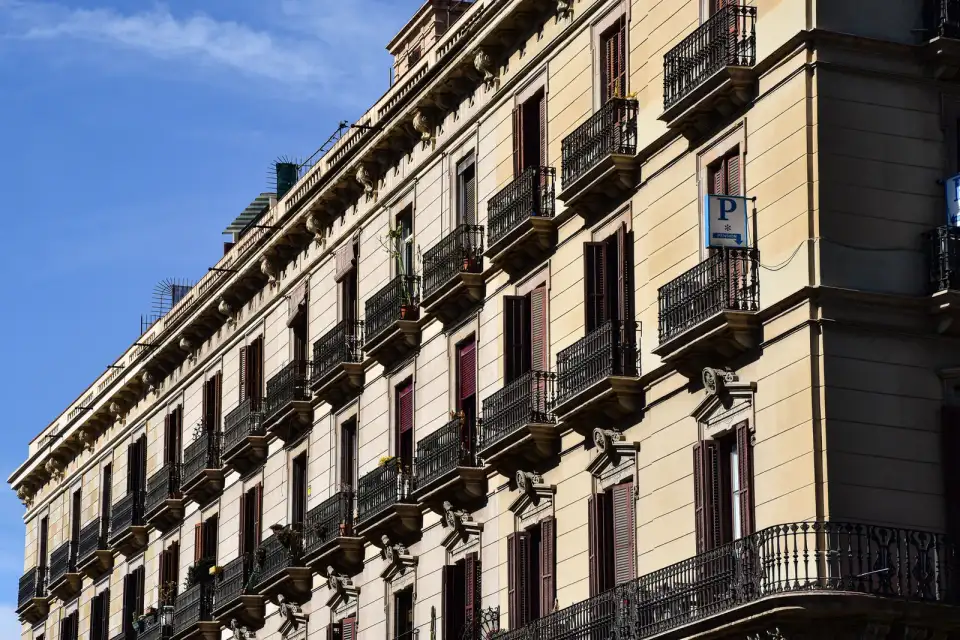
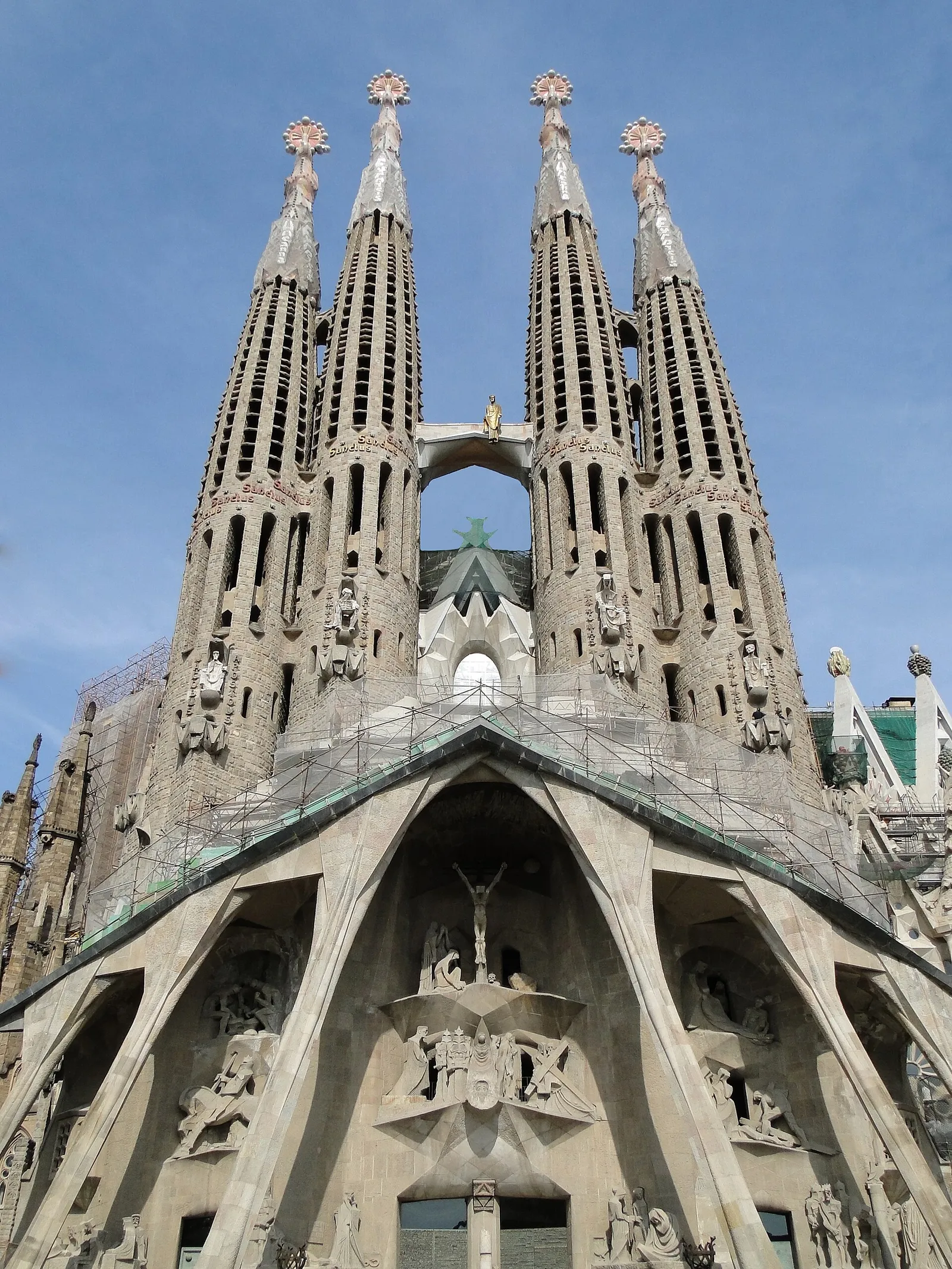
Above the old city, the Eixample is Barcelona’s grid: wide avenues, elegant modernist facades, and Gaudí’s Passeig de Gràcia houses. It is the safe, comfortable base, central without being chaotic, with metro links everywhere and the Sagrada Família on its edge. The right half, around Passeig de Gràcia, is polished and pricey, while the left half is quieter and better value. The best all-round area for a first trip.
Right side or left side
The distinction matters more than it sounds. The Dreta de l’Eixample, the right half around Passeig de Gràcia and Rambla de Catalunya, is where the flagship shops, grand hotels and the famous Gaudí houses cluster, so it is polished and comes at a premium. The Esquerra de l’Eixample, the left half, is more residential, has excellent everyday restaurants and generally better room rates, while still being a short walk or a couple of metro stops from the action. For families and anyone who wants space and calm, the left side is the smart choice. If you are still weighing the city itself against its rival, our take on Barcelona or Madrid may help you commit before you book a bed.
Gràcia, where locals live
North of the Eixample, Gràcia was once its own town and still feels like it: a warren of small squares full of cafe tables, independent shops and neighbourhood restaurants, with Park Güell above it. It is less central and has no metro of its own on every corner, but if you want to feel like a resident rather than a tourist, this is the one.
The rhythm of the place
Gràcia runs on plaça life: people spill out onto squares like Plaça del Sol and Plaça de la Virreina in the evenings, and the pace is slower than downtown. The trade-off is distance. You will lean on the metro or a longer walk to reach the old city and the beach, and the annual Festa Major in August turns the whole barrio into a decorated street party, which is wonderful if you want it and impossible to sleep through if you do not.
Barceloneta and the beach
For sand at the end of the street, Barceloneta is the old fishermen’s quarter wedged against the sea. It is fun, salty and full of seafood, but it is also touristy, noisy in summer and a fair walk from the main sights. Great for a beach-first trip, less so if museums and Gaudí are your priority.
Manage your expectations
The beach is city beach, not a quiet cove, so it gets packed and the water is busy. The apartments here are old and tightly packed, and summer nights can be loud with the sea-front crowds. If your dream is calmer, wilder coastline, that is a day trip rather than a base, and our comparison of Montserrat or Costa Brava lays out how to escape the city for a day of mountains or sea.
Beyond the centre
Two more areas are worth knowing. Poble-sec and Sant Antoni, below Montjuïc, have become the city’s tapas heartland, central-ish and better value. Sants and the university district are cheaper still and handy for the main train station, if a little plain.
Poble-sec and Sant Antoni in detail
These two neighbours, split by the Avinguda del Paral·lel, have quietly become where many locals go to eat. Carrer de Blai in Poble-sec is a strip of pintxos bars, and the restored Sant Antoni market anchors a district that feels genuinely lived-in. You get a real neighbourhood feel, decent transport and prices below the old city, in exchange for a slightly longer stroll to the headline sights.
Sants and the outer districts
Sants is practical rather than pretty: it wraps around Barcelona’s main long-distance train station, so it suits anyone arriving by rail or taking day trips out of the city. Room rates are lower, but the streets are ordinary and you will spend more time on the metro. Think of it as a value base rather than a destination in itself.
Find a room in the right barrioCompare central stays with free cancellation before they fillA quick comparison of the main areas
Every barrio is a trade-off between being central, being quiet, being cheap and having character. This table is the shorthand I use when friends ask where to book.
| Neighbourhood | Best for | Vibe | Price | Nightlife noise |
|---|---|---|---|---|
| Gothic Quarter | First-timers wanting history | Medieval, dense, buzzy | Mid to high | High |
| El Born | Couples, repeat visitors | Stylish, walkable | Mid to high | Medium |
| Eixample (right) | Shopping, Gaudí on your doorstep | Grand, polished | High | Low to medium |
| Eixample (left) | Families, best all-round value | Residential, calm | Mid | Low |
| Gràcia | Living like a local | Village squares, bohemian | Mid | Medium |
| Barceloneta | Beach-first trips | Salty, touristy | Mid to high | High in summer |
| Poble-sec / Sant Antoni | Food lovers on a budget | Local, up-and-coming | Low to mid | Medium |
| Sants | Rail travellers, savers | Plain, practical | Low | Low |
Getting between neighbourhoods
Barcelona is compact and flat in the centre, so much of it is walkable. From the Gòtic to El Born is five minutes on foot, and from the top of the Eixample to the waterfront is a pleasant half-hour walk downhill. Where distances stretch, to Gràcia or Park Güell for example, the metro is cheap, frequent and easy to read.
Why location saves you money and time
The hidden cost of a cheaper room on the edge of town is the daily tax of getting in and out: extra metro rides, tired feet and the temptation to eat wherever is nearest rather than where you meant to. If you are visiting the big sights, a central base often pays for itself in time saved. First-timers in particular should weigh this carefully, and our full first time in Barcelona guide walks through the practical basics of arriving and moving around.
Safety and street smarts by area
Barcelona is a safe city for a European capital, but it has a well-earned reputation for pickpocketing rather than violent crime. The busier and more touristy the spot, the higher the risk, so La Rambla, the metro, the beach and crowded squares are where to keep your bag zipped and your phone out of your back pocket.
Where to stay alert
The Gothic Quarter, La Rambla and Barceloneta see the most opportunistic theft, simply because that is where the crowds and distracted visitors are. None of this should stop you staying there, but keep valuables in a front pocket or a zipped bag worn across the body, and be wary of anyone who bumps into you or offers unsolicited help. Away from the tourist core, in Gràcia or the residential Eixample, the streets feel noticeably calmer.
When to book and what it costs
Barcelona’s best-located rooms sell out, and prices swing hard with the seasons. High summer and the big trade-fair and conference weeks are the most expensive and the most crowded, while late autumn, winter outside the holidays and early spring bring softer rates and thinner queues.
Booking rhythm
For a central room in peak season I would book at least a couple of months ahead, and always with free cancellation so you can rebook if a better rate appears. Weekends cost more than midweek, and the difference between the polished right side of the Eixample and the quieter left side, or between the Gòtic and value-friendly Poble-sec, can be substantial for the same night. Prices here are best treated as a moving target, so compare a few options before you commit rather than trusting a single quote.
Which one for you
For a first trip, stay in the Eixample or El Born for the best balance of central, safe and characterful. Choose the Gothic Quarter if you want to be in the thick of it, Gràcia if you want the local life, and Barceloneta only if the beach is the whole point. If you are counting your euros, Poble-sec, Sant Antoni and Sants stretch the budget without stranding you. Whatever you pick, book early: in Barcelona, location is the trip.
Every barrio here rewards a different kind of visitor, and there is no single right answer, only the one that fits the trip you actually want. So before you open a booking site, ask yourself the honest question: is this a history trip, a food trip, a beach trip or a live-like-a-local trip, and which square do you want to wake up next to?