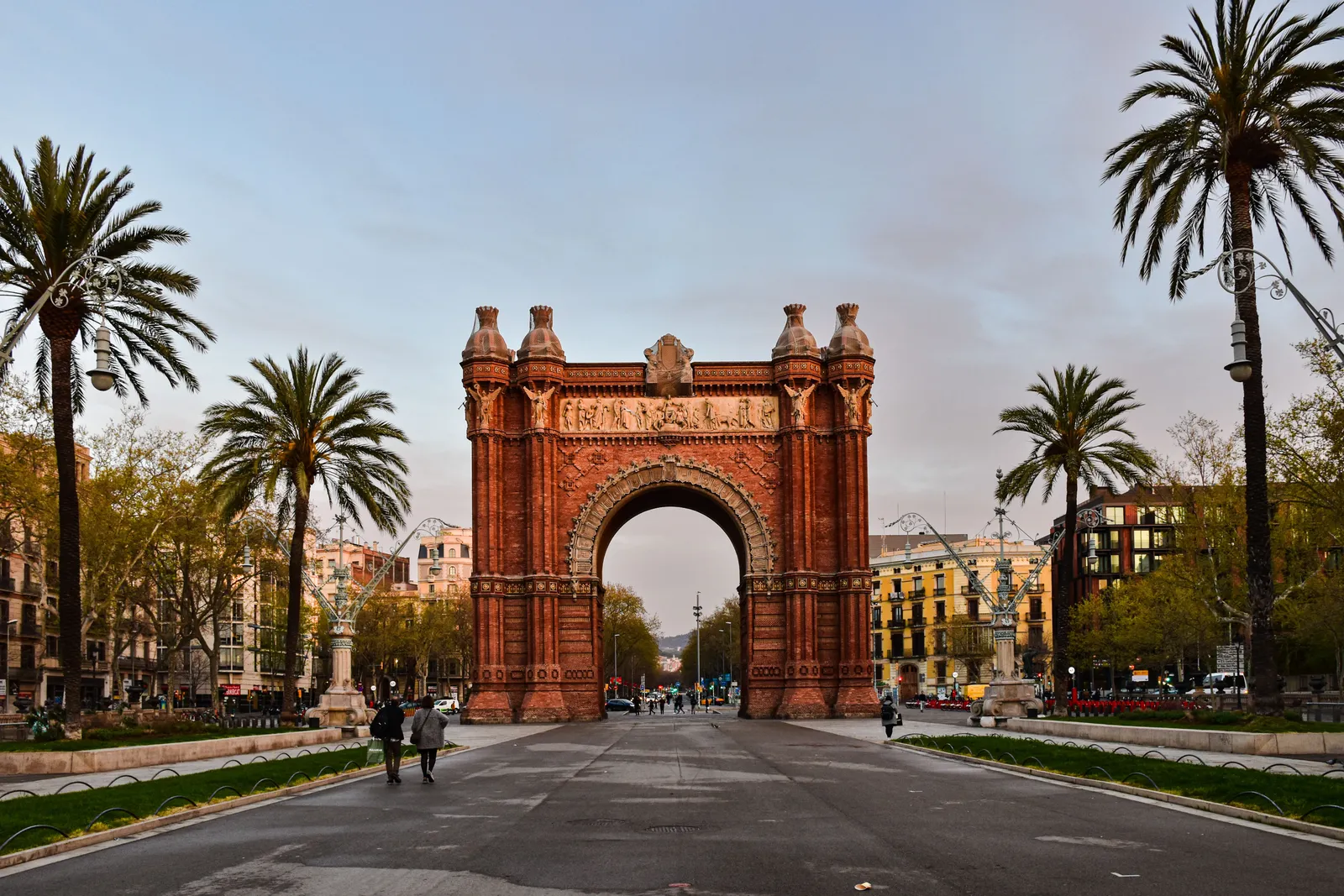
Barcelona is one of those cities that rewards a little planning and punishes none. You can wing it and still have a wonderful time, but a handful of decisions made before you fly, where you sleep, what you book, when you go, are the difference between a relaxed trip and a week spent queuing. This is the guide we wish someone had handed us before our first visit.
When to go
Spring and autumn are the sweet spot. April to June gives you warm days, long light and the city in full bloom before the summer crush. September and October are just as kind, with the sea still warm enough to swim and the crowds thinning out.
July and August are hot, busy and expensive, and many locals leave town. Winter is the quiet secret: mild afternoons, short queues at the Gaudí sites, and hotel prices at their lowest. If you only care about beach weather, aim for June or September. If you care about everything else, the shoulder seasons win.
A note on festivals
Barcelona’s calendar can either make your trip or ambush your hotel budget. La Mercè in late September fills the streets with human towers, fireworks and free concerts, and it is one of the best times to be in town. Sant Jordi in April turns the whole city into a market of books and roses. Both are wonderful, but rooms vanish and prices climb, so if your dates overlap, book earlier than you think you need to.
Before you fly: entry, passports and paperwork
Barcelona sits inside Spain, which is part of the Schengen Area, and this is where first-timers from different countries need different answers. Citizens of the United States, Canada, the United Kingdom, Ireland, Australia and New Zealand can currently visit for short tourist stays without a visa, and Irish travellers as EU citizens have full freedom of movement. South African passport holders are the important exception: you will normally need a Schengen visa arranged before you travel, and that takes time and documents, so start early.
A new European travel authorisation, ETIAS, has been discussed for visa-exempt visitors for some time, but the start date has shifted more than once. Rather than trust anything you read second hand, including this line once it ages, check the official Schengen and Spanish government sources close to your trip. Whatever your nationality, make sure your passport has enough validity and blank pages, because that catches people out at the gate more than the visa rules themselves.
Where to stay
Your neighborhood shapes the whole trip more than your hotel does. For a first visit, three areas cover almost everyone.
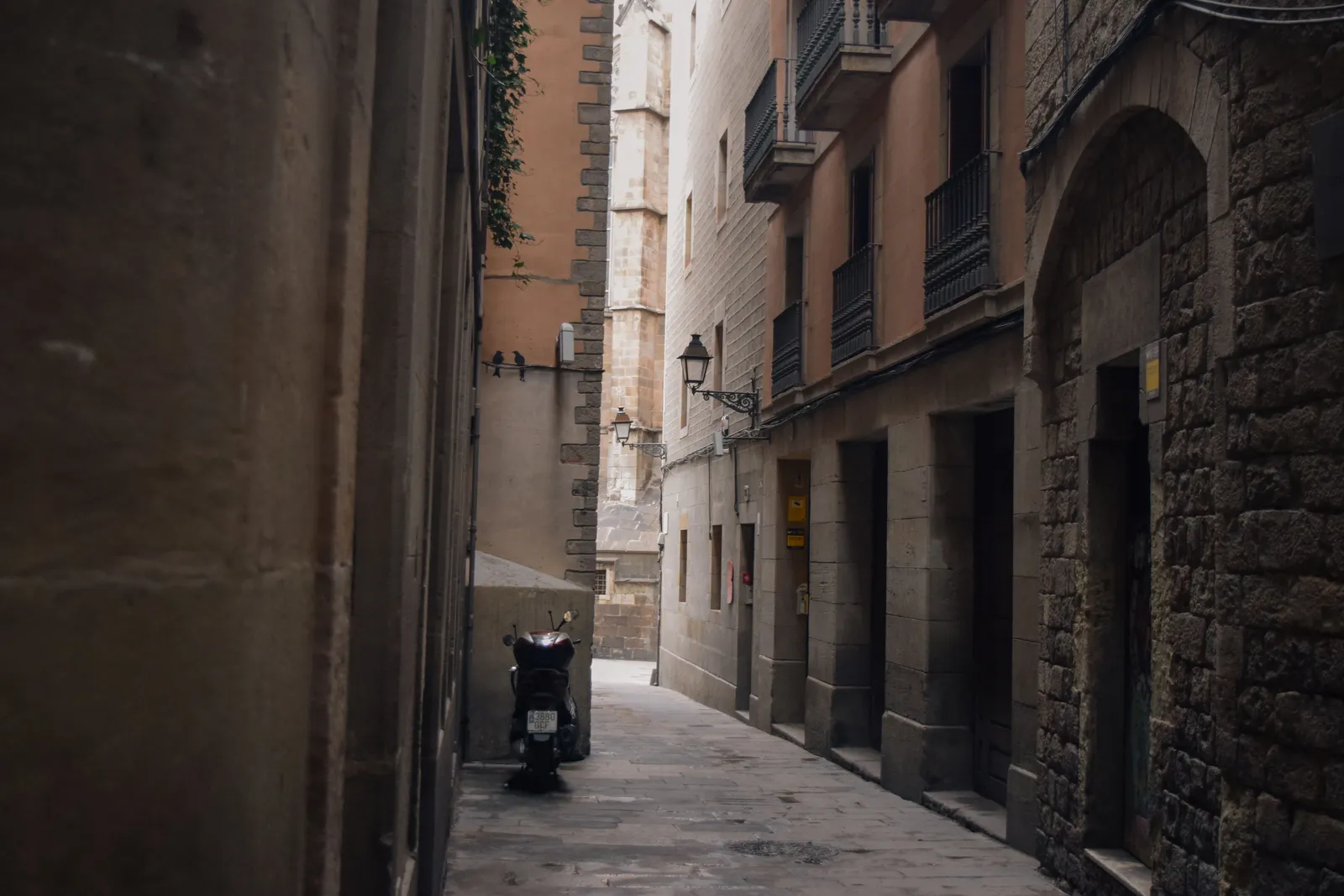
The Eixample is the safe, central choice: wide grid streets, Gaudí on your doorstep, and easy metro links in every direction. The Gothic Quarter and El Born put you in the medieval maze, steps from the cathedral, the tapas bars and the beach, though the streets are narrow and the nights are lively. Gràcia is where locals actually live, a village of leafy squares and small restaurants, a little further out but full of character.
| Area | Best for | Watch out for |
|---|---|---|
| Eixample | First-timers, wide streets, Gaudí nearby | Can feel less atmospheric at night |
| Gothic Quarter and El Born | Old-city charm, walkable to everything | Narrow, noisy, busy after dark |
| Gràcia | A local, village feel and good food | A little further from the big sights |
If you want to go deeper into the character of each district before you book, our full guide to Barcelona’s neighborhoods breaks down where each one suits which kind of traveller. Wherever you land, book early. The best-value rooms fill weeks ahead in season, and a central location saves you hours on the metro.
Getting around
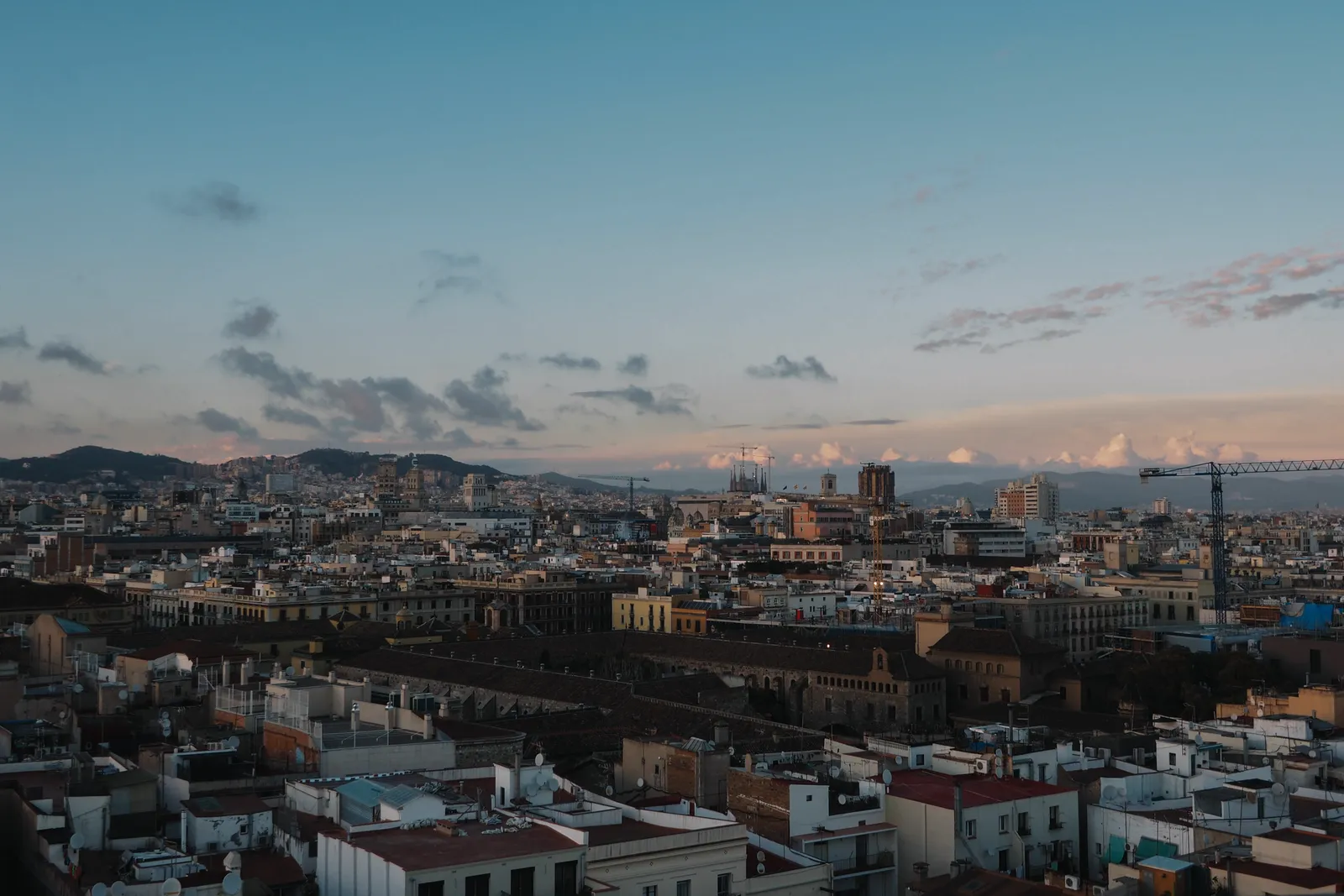
Barcelona is a walking city first. The center is compact, and the best moments happen on foot, wandering the Born or drifting down toward the water. For everything else, the metro is fast, cheap and easy to read.
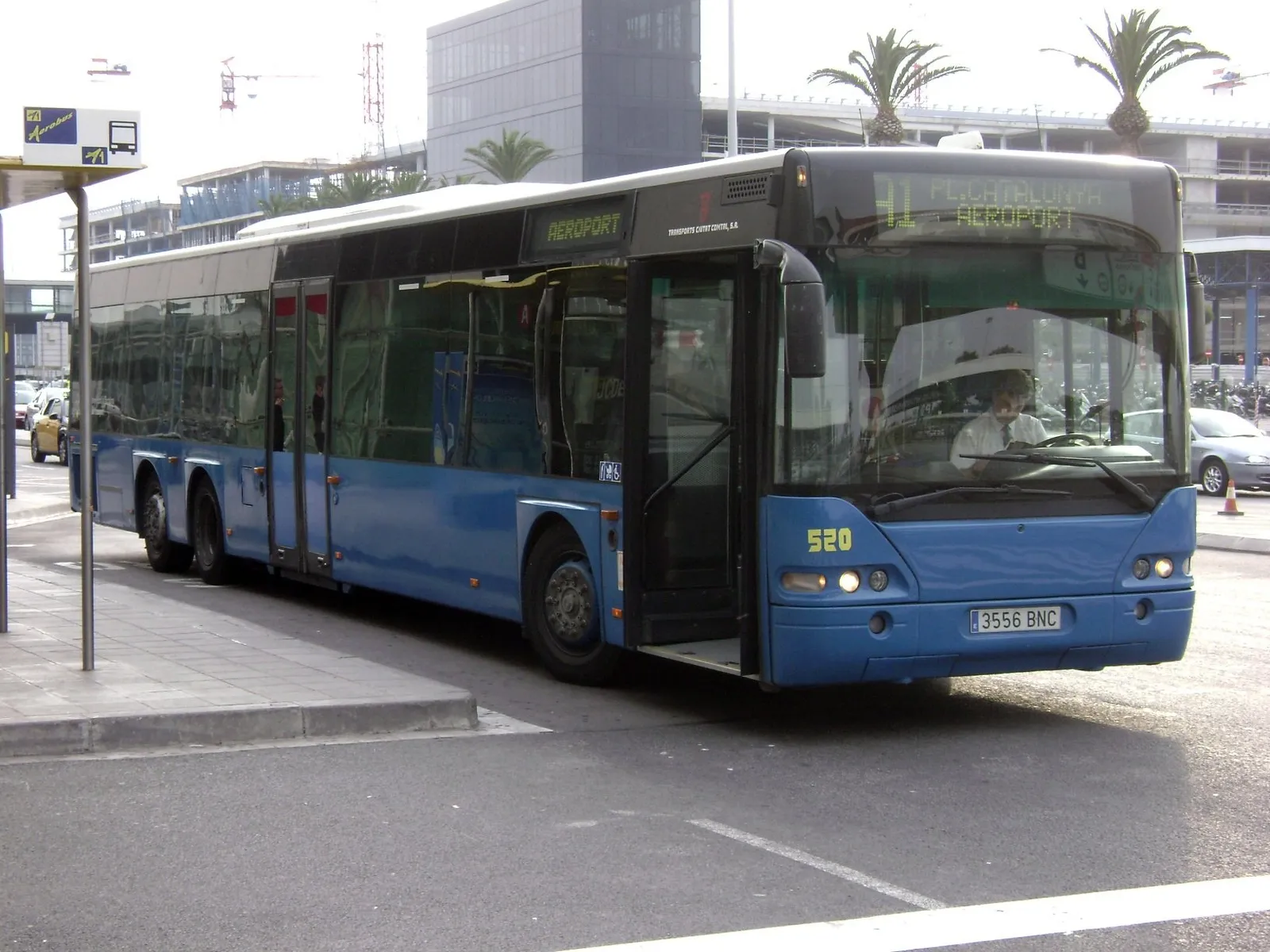
Buy a T-casual ticket for ten single journeys, or the Hola Barcelona travel card if you plan to ride a lot. Skip the taxi from the airport unless you are in a group: the Aerobús and the metro both reach the center for a few euros. You will rarely need a car in the city itself.
From the airport
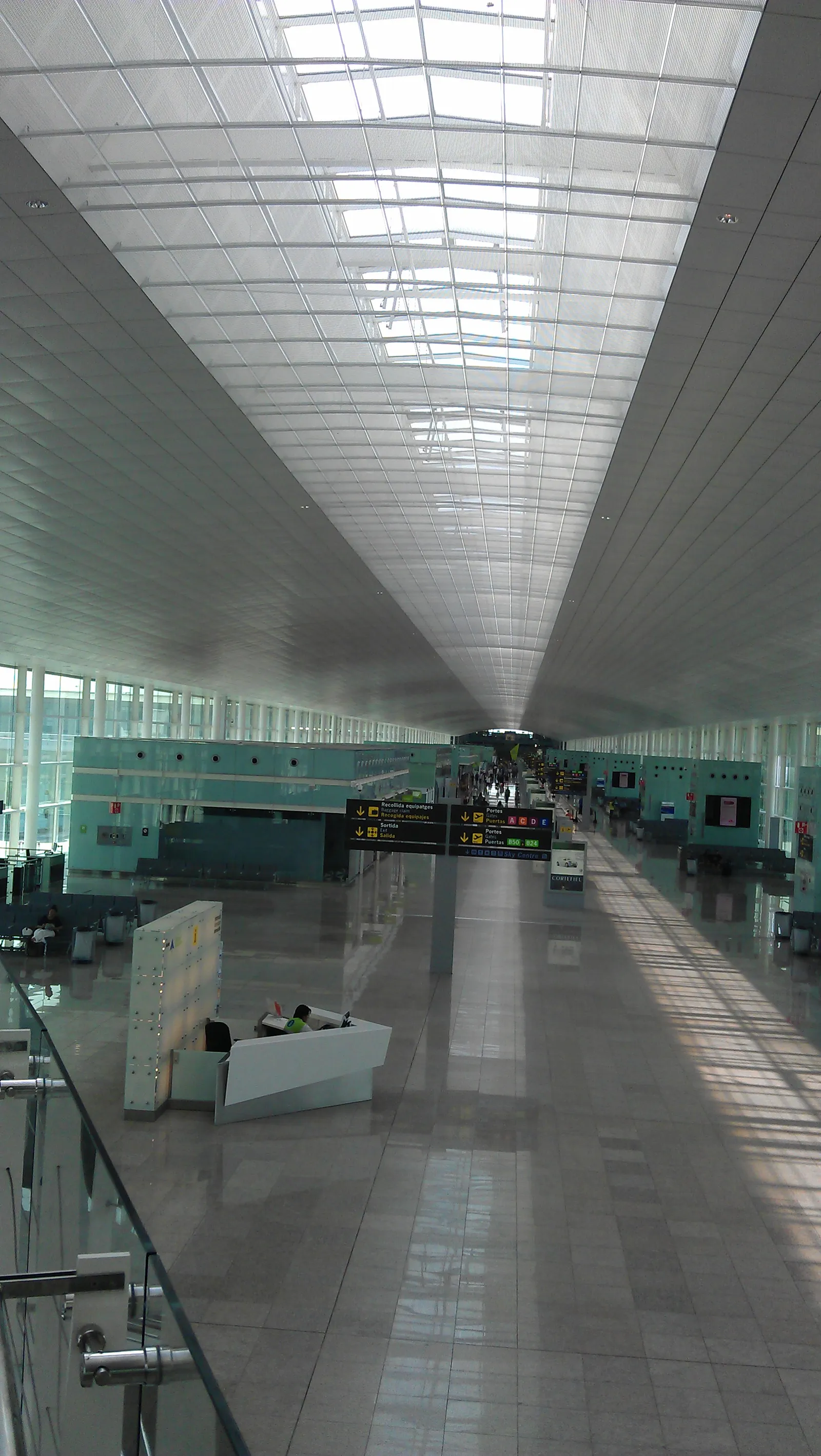
Most visitors land at El Prat, and the choice is simple. The Aerobús runs frequently to Plaça Catalunya and is the least fiddly option with luggage. The metro line to the airport is cheaper still but involves changes. A taxi is worth it late at night or with a family and a pile of bags, and fares from the airport are metered with a fixed supplement, so agree nothing off-meter. Do not confuse the two airport terminals when you book your return, they are a shuttle ride apart.
The Gaudí must-sees, and why you book them first
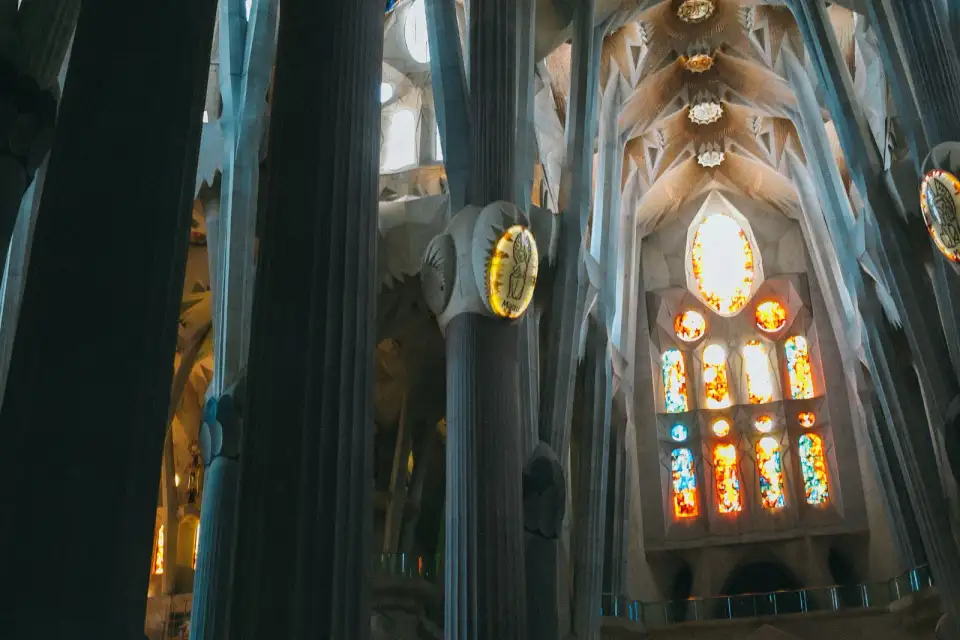
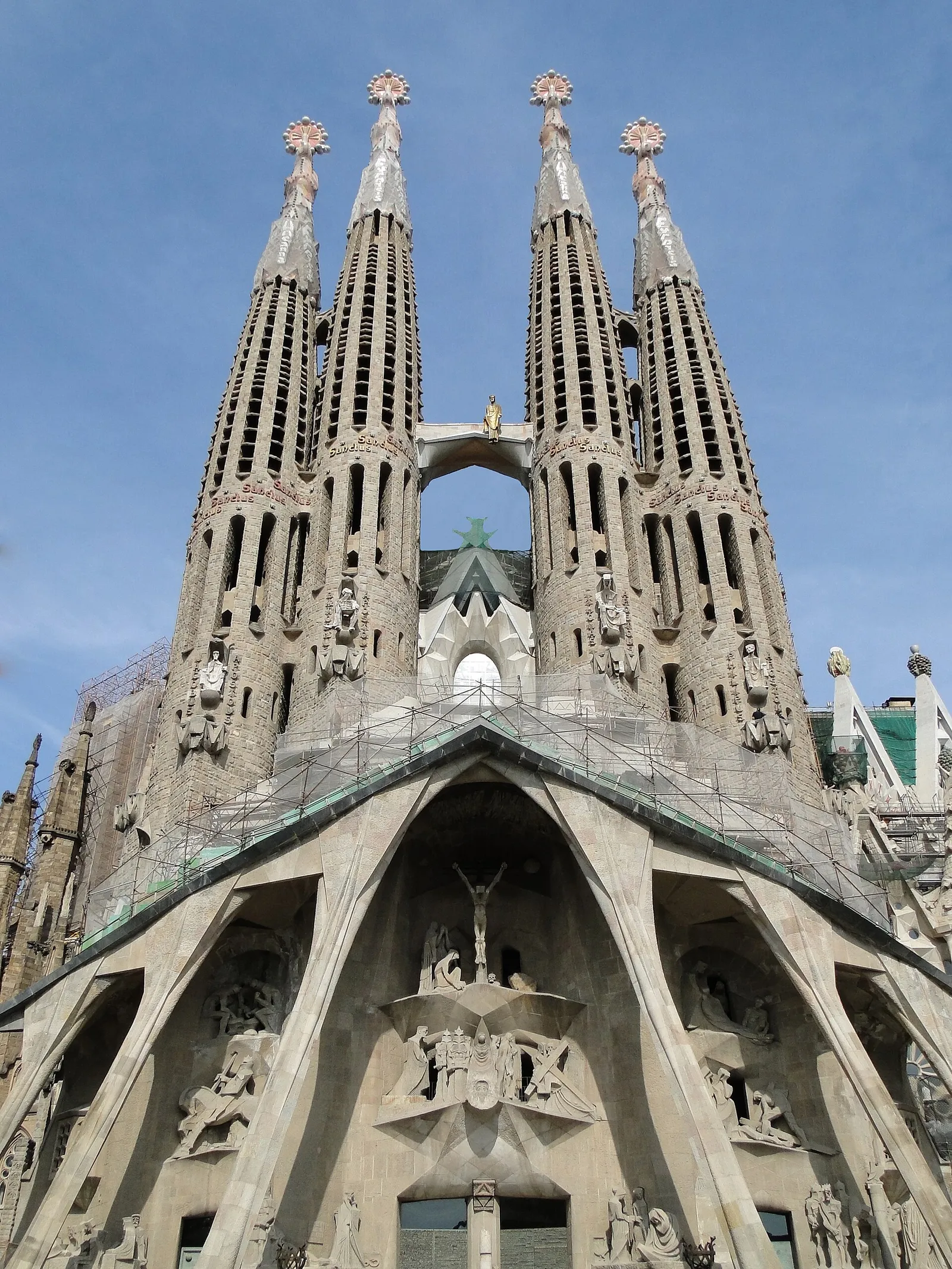
Antoni Gaudí is the reason many people come, and his work lives up to it. The Sagrada Família is unlike any building on earth, and 2026 was the year its skyline was finally completed, with the central Tower of Jesus Christ topped out and blessed. The church itself is still a work in progress, so you will see scaffolding and cranes, and the new tower’s viewing platform is not open to visitors yet. Park Güell turns a hillside into a mosaic dreamscape with the city laid out below. Casa Batlló and Casa Milà on Passeig de Gràcia are the two you can slot into an afternoon.
All of them run on timed-entry tickets, and all of them sell out in season. This is the single most common first-timer mistake: arriving at the Sagrada Família hoping to walk in, and losing a morning to the queue or missing it entirely. In peak months the good slots go a couple of weeks ahead, and tower access goes sooner still, so decide your dates, book as soon as the window opens, and plan around them.
Skip-the-line tickets for the Gaudí sitesTimed entry for the Sagrada Família, Park Güell and more, booked aheadHow to sequence them
Do not try to cram every Gaudí site into one exhausting day. Park Güell sits up a hill in the north and the two Passeig de Gràcia houses are central, so pairing Casa Batlló and Casa Milà in an afternoon and giving the Sagrada Família its own morning slot works far better. Book the earliest entry you can bear for the church, because the light through the stained glass in the first hour is the whole point, and the crowds are thinnest.
Beyond Gaudí
Barcelona is far more than one architect. Lose an afternoon in the Gothic Quarter, where Roman walls, a soaring cathedral and hidden squares sit in a few dense blocks. Walk the Born for boutiques and the beautiful Santa Maria del Mar. Climb Montjuïc for the castle, the gardens and the views, or ride up to the Bunkers del Carmel for the best free panorama in the city.
One warning on the Bunkers, because the old advice is still everywhere: this is no longer a sunset spot. After years of late-night crowds, the site is gated and closes in the early evening, well before the sun goes down for much of the year, and police clear the hilltop before closing. Go in the morning or the early afternoon instead, check the current hours before you climb, and save your sunset for a rooftop terrace or Montjuïc.
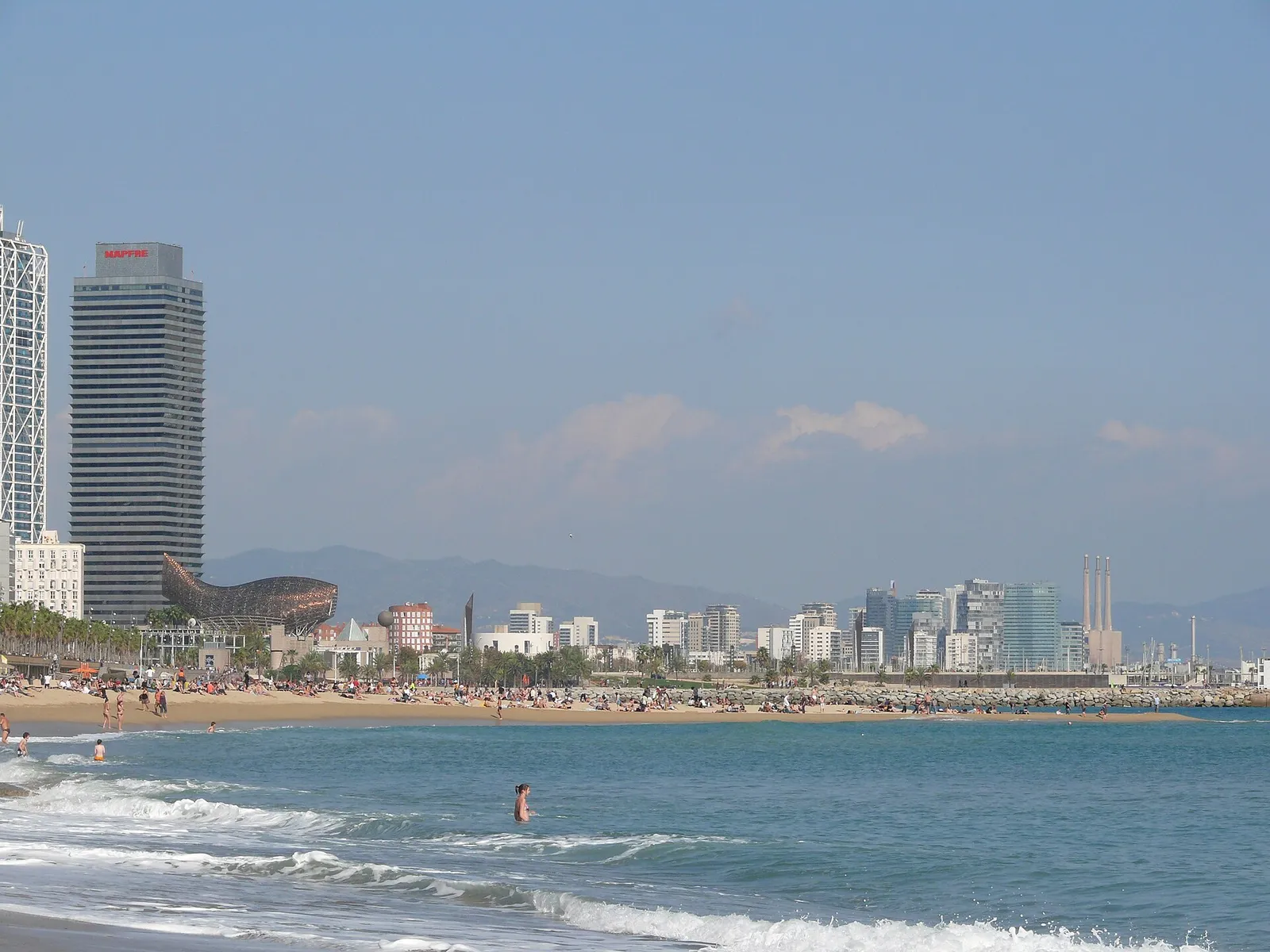
When your feet give out, the Barceloneta beaches are a short walk or metro ride from the center. They are busy and not the prettiest on the coast, but there is something rare about a world-class city with sand at the end of the street.
How many days do you need?
Barcelona can fill a long weekend or a full week without ever feeling thin. As a rough guide, three days is the minimum to see the headline sights without sprinting, four or five lets you slow down and add a day trip, and a week means you can live a little like a resident.
A loose plan
- Day one: the Gothic Quarter and the Born on foot, then the Sagrada Família in the late afternoon.
- Day two: Park Güell in the morning, the Passeig de Gràcia houses after lunch, tapas at night.
- Day three: Montjuïc, the beach and a long, late dinner.
- Day four onwards: a day trip out of the city, plus the markets and neighbourhoods you have not reached yet.
Treat it as a skeleton, not a schedule. The best afternoons in Barcelona are the ones you did not plan.
Food and tapas
Eat late and eat small. Locals rarely sit down to dinner before nine, and the joy of tapas is hopping between bars, a plate here, a glass there. Order pan con tomate, let someone talk you into the anchovies, and try a vermut before lunch the way the city does.
Avoid the restaurants with photo menus and touts on La Rambla. Walk two streets inland and prices halve while quality doubles. The markets, above all La Boqueria and the calmer Sant Antoni, are worth a morning on their own.
The menú del día trick
The best value in the city is the weekday lunch menu, the menú del día, a fixed price for a starter, a main, a drink and often a dessert. It is how locals eat well without spending much, and it turns a midday sit-down into the cheapest proper meal of your trip. Look for it chalked up outside neighbourhood restaurants rather than tourist strips.
Language and local etiquette
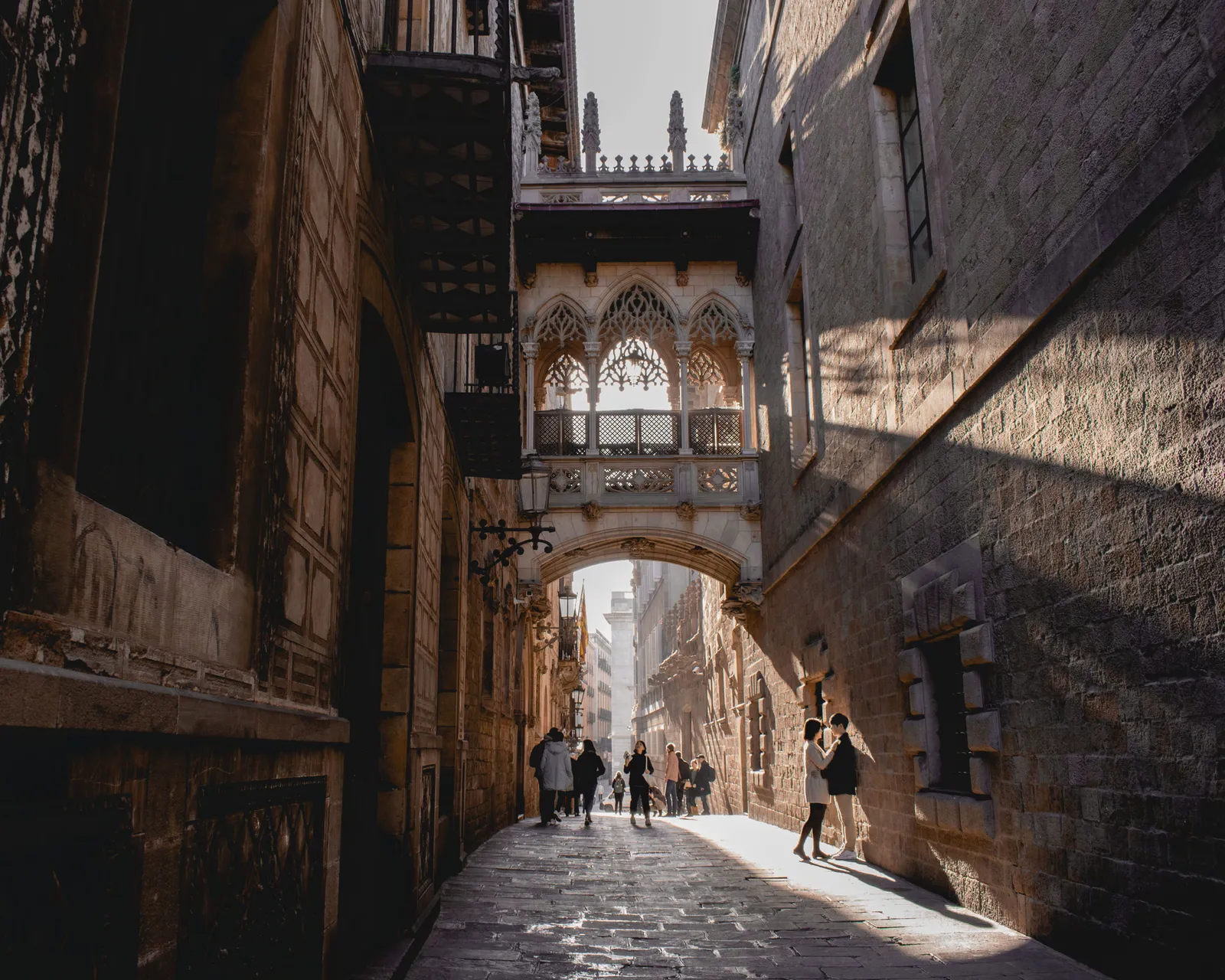
Barcelona is bilingual: Catalan and Spanish both surround you, and menus and signs often appear in Catalan first. You do not need to speak either to get by, and English is widely understood in the centre, but a few words go a long way. A “bon dia” for good morning or a “gràcies” for thank you is warmly received and marks you as a guest rather than a tourist. Do not assume Catalan and Spanish are the same thing, and do not treat the local language as a novelty, it matters here.
Meals run later than many visitors expect, shops often close in the early afternoon, and Sundays are quiet. Lean into the rhythm rather than fighting it.
Money, safety and the practical bits
Barcelona is a mid-priced European city. The currency is the euro, and cards, including contactless, work almost everywhere, so you barely need cash. Tipping is modest: rounding up or leaving a euro or two is plenty.
The city is very safe when it comes to serious crime, but pickpocketing is a genuine problem in the crowds, on La Rambla, in the metro and around the Sagrada Família. Keep your bag in front of you, never leave a phone on a cafe table, and split your cards between pockets. Do that and you will almost certainly be fine.
Day trips worth the early train
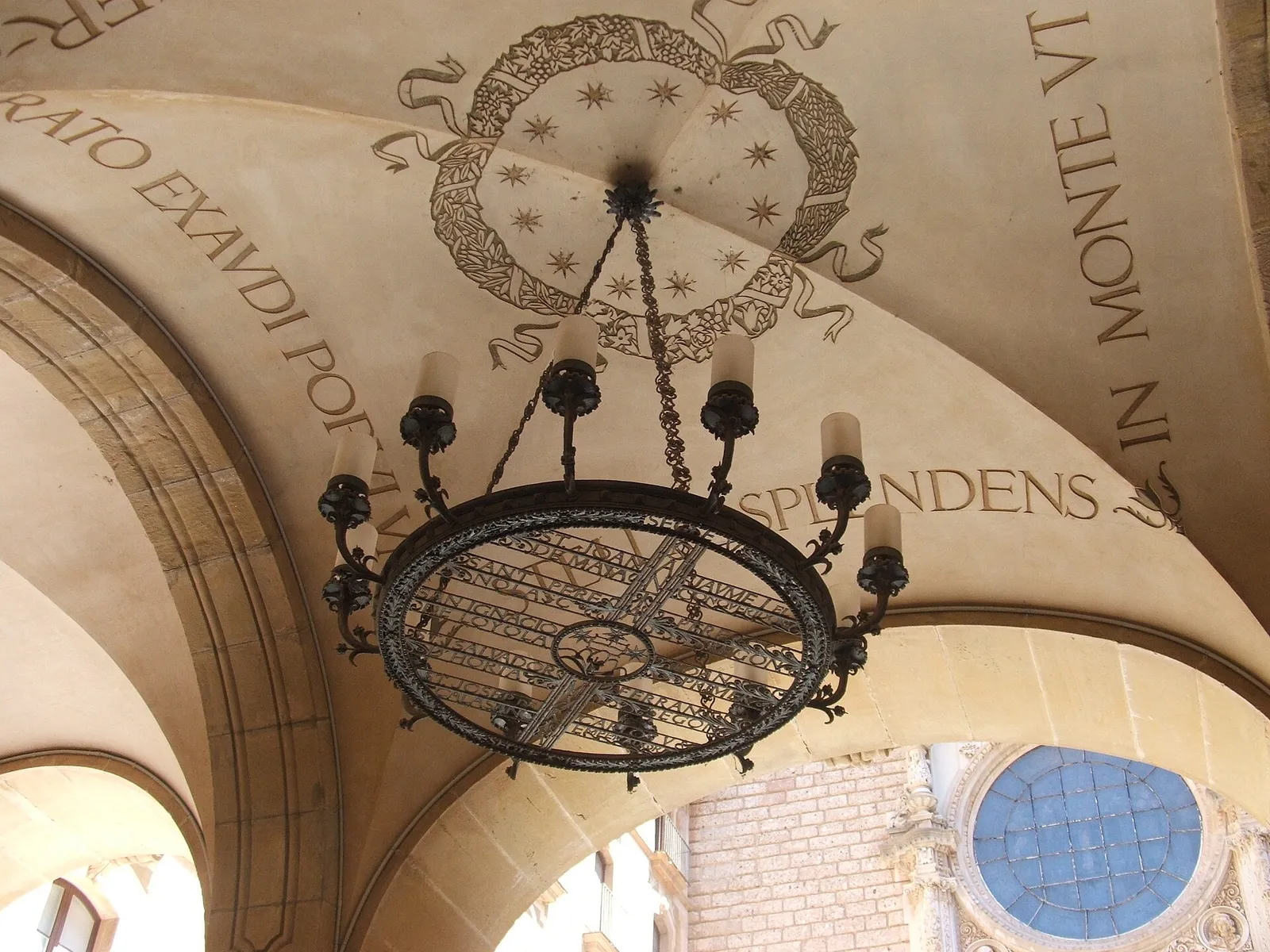
If you have four days or more, give one to leaving the city. Montserrat, the serrated mountain monastery an hour away, is the classic. The Costa Brava delivers medieval towns and cove beaches, Girona is a film-set old town, and Sitges is an easy seaside afternoon. All are reachable by train or a short drive.
If you can only fit one big day out and you are torn between the mountain and the coast, our comparison of Montserrat or the Costa Brava lays out which suits which kind of traveller. And if you are still deciding whether to pair Barcelona with another Spanish city at all, our look at Barcelona or Madrid is a good place to start.
What is not worth your time
Honesty is a kindness here. La Rambla is worth one walk to say you have done it, but do not eat, drink or shop on it. The overpriced sangria on cathedral squares is a tourist tax, not a local habit. Hop-on hop-off buses can be handy if walking is hard, but in a city this compact they mostly show you traffic. And do not schedule your days so tightly that you never sit still, because a slow coffee in a Gràcia square is the memory you will actually keep.
The short version
Go in spring or autumn, stay central, book the Gaudí sites before you do anything else, walk more than you think you will, eat late, and watch your pockets in the crowds. Do that, and your first Barcelona trip will feel less like a checklist and more like the start of a habit.
So, what kind of first visit are you planning, a fast long weekend of headline sights, or a slower week with a day trip and time to get lost? Tell us, and we will help you shape it.