Barcelona has no paella tradition of its own, so the honest answer to ‘where do I eat paella in Barcelona?’ is to order a Catalan rice dish instead, at lunch and away from the seafront. The most requested dish in the city is not from Barcelona, and the places that advertise it hardest are the places least likely to cook it well. That is an awkward thing to tell someone who has been looking forward to a paella by the sea, so here is the useful version: what Catalonia actually cooks with rice, how to tell a real one from a reheated one, what to do if you are eating alone, and where to eat fish that has not been priced for the view.
In short: Paella is a Valencian dish, not a Catalan one, and the versions sold along Barcelona’s seafront are generally the worst in the city. If you want rice, order arros negre, arros a banda or fideua, cooked to order in a wide shallow pan and ideally at lunch. Be wary of paella for one: these dishes are traditionally cooked for a minimum of two, so a single-portion price usually means a pre-cooked batch. For seafood, walk two or three streets back from the water, to the inner streets of Barceloneta or to Poblenou.
Paella is Valencian
What the traditional dish contains
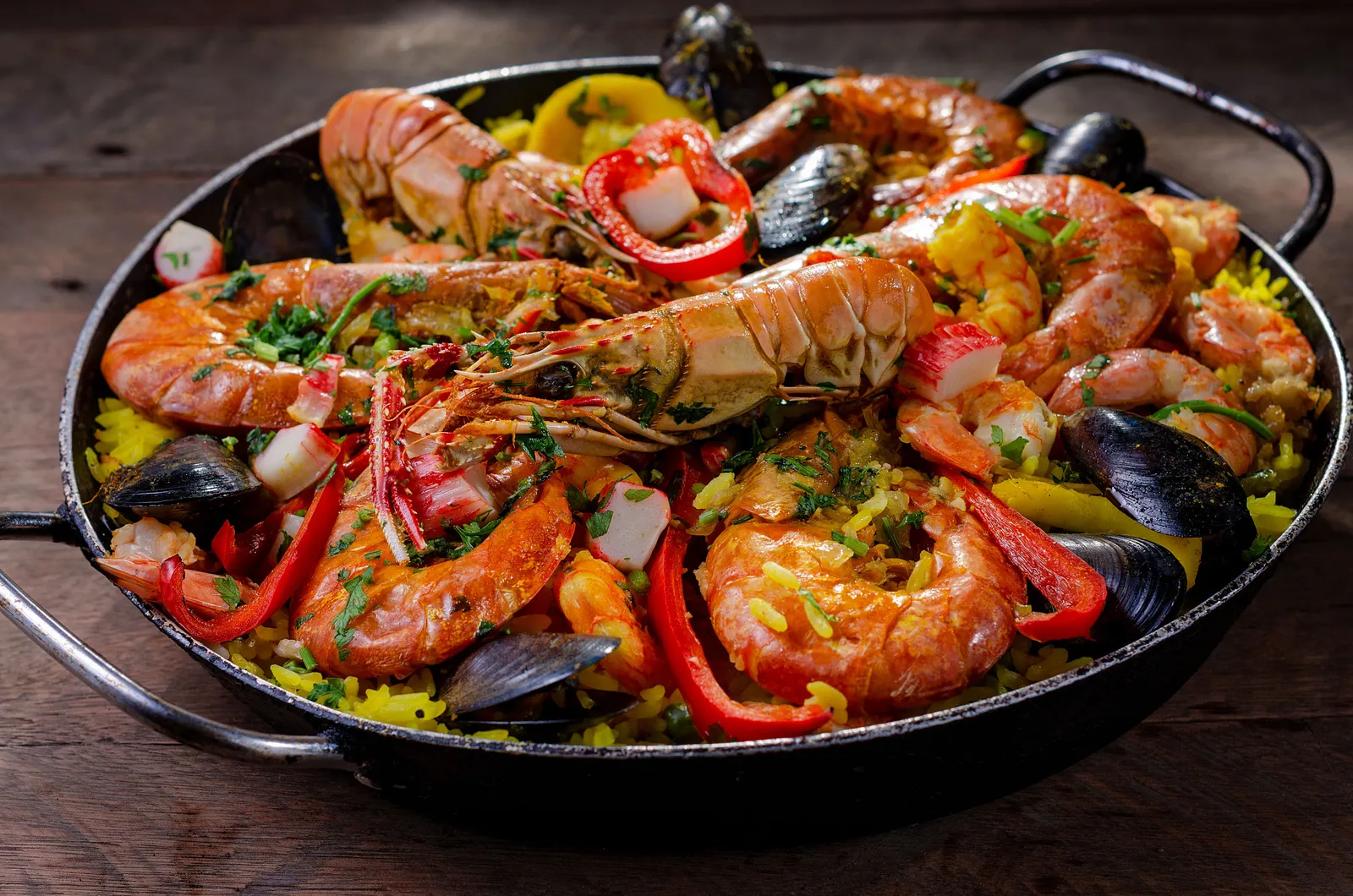
Paella comes from the Valencia region, several hours down the coast, and the traditional version is not a seafood dish at all: it contains rabbit, chicken and beans. A Catalan cook making rice would not call it paella, because Catalonia has its own dishes with their own names.
Why the tourist version is so poor
Barcelona restaurants serve it because visitors ask for it. That demand, concentrated in the places visitors walk past, is exactly why the versions on the tourist circuit are so poor. This is not snobbery about authenticity. It is a straightforward observation that a dish cooked to satisfy a request rather than a tradition tends to be cooked without care.
What to order instead
The three local rice dishes
Three dishes are at home on this coast and generally far better made:
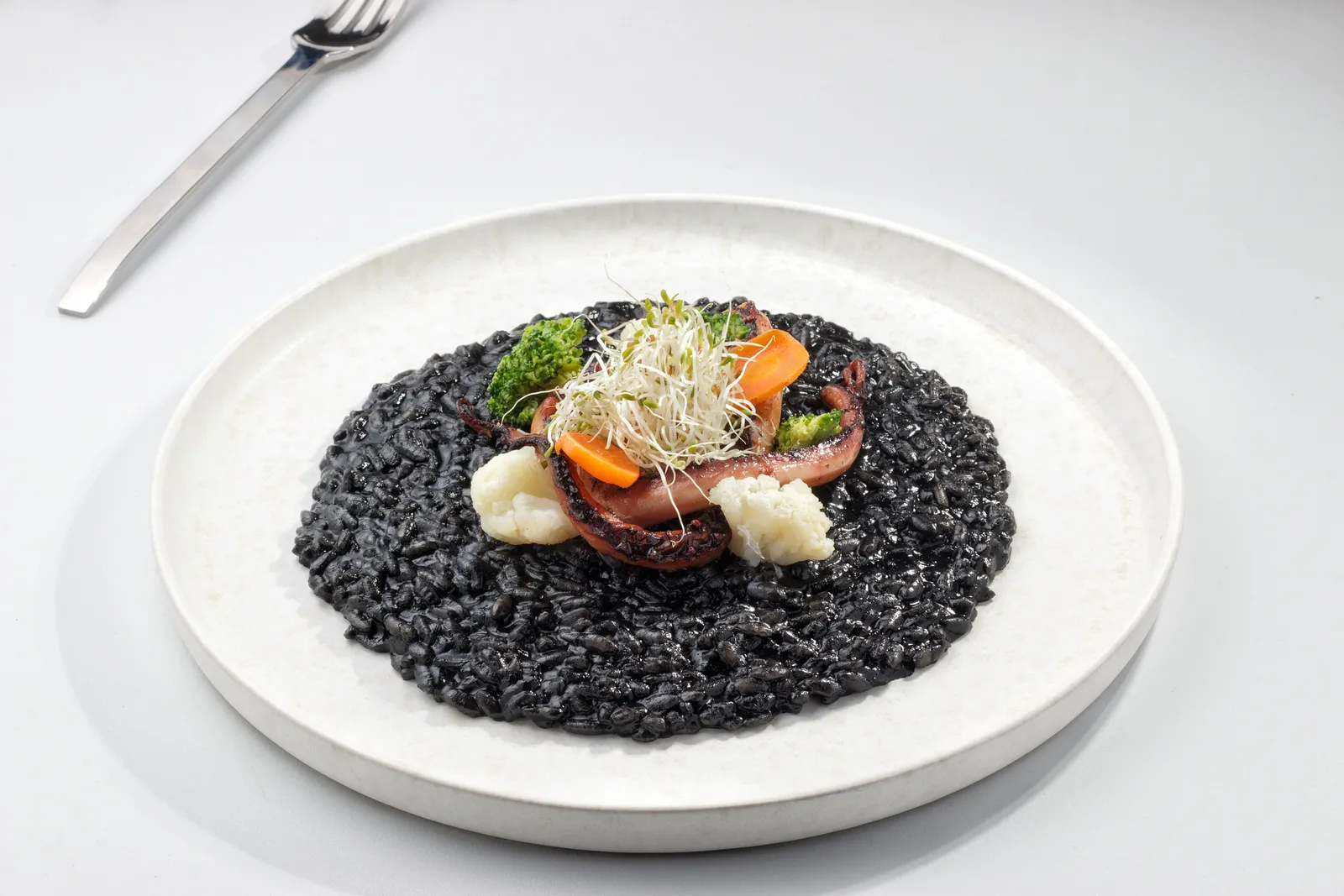
- Arros negre, rice cooked with squid ink, black and deeply savoury, usually served with alioli on the side
- Arros a banda, rice cooked in a fish stock and served separately from the fish that made it
- Fideua, the same idea with short thin noodles instead of rice, cooked all along the Catalan coast, though it was born further south in Valencia
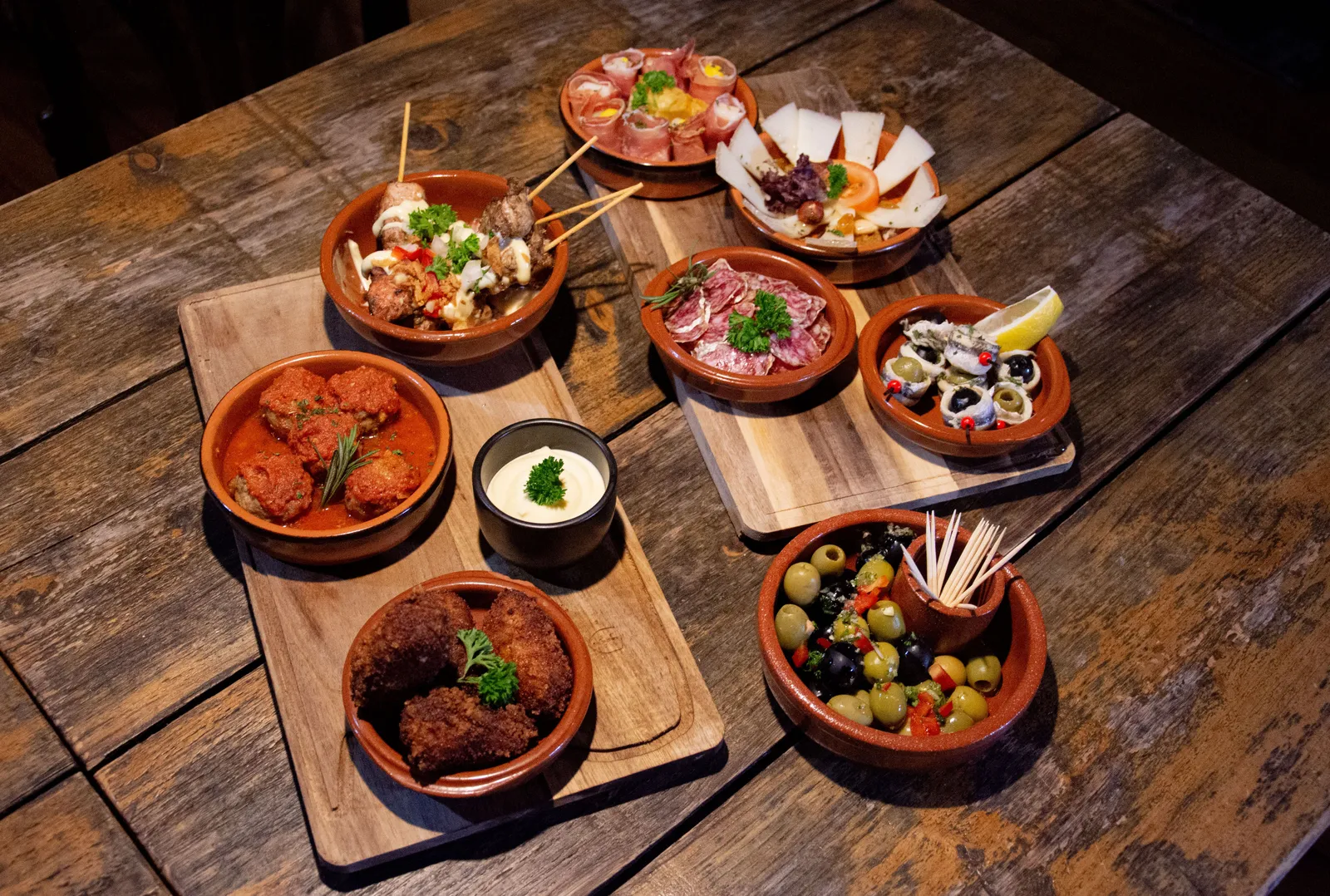
Ordering any of these signals that you know where you are, and in practice tends to get you a better plate than asking for paella would in the same restaurant. Our wider food and tapas guide covers the rest of the Catalan repertoire, which is considerably broader than the rice dishes.
Which one should you choose?
| Dish | What it is | Who it suits |
|---|---|---|
| Arros negre | Rice with squid ink, served with alioli | Anyone who likes bold, savoury flavours |
| Arros a banda | Rice cooked in fish stock, with the fish served separately | Cautious eaters who want a clean, simple seafood flavour |
| Fideua | Short thin noodles cooked in the style of a rice dish | Anyone who finds rice dishes samey |
| Valencian paella | Rabbit, chicken and beans | Worth ordering only where the kitchen clearly specialises in it |
If you can only try one, arros a banda is the gentlest introduction, since the fish arrives separately and you control how much of it you eat with the rice. Arros negre is the more memorable of the two, but it is rich and it will stain your teeth, which is part of the fun.
How to spot a bad one
Four reliable signals
Photographs on the menu. A laminated board with pictures of the food outside the door is aimed squarely at people who cannot read the menu, which tells you who the kitchen is cooking for.
Pre-made pans under lights. Rice dishes are cooked to order in a wide shallow pan. A row of finished pans waiting to be portioned is a tray being reheated.
Speed. A proper rice dish takes somewhere in the region of twenty minutes to half an hour from ordering. A restaurant promising it in ten is telling you it is already made.
A single-portion price. These dishes are traditionally cooked for a minimum of two people, and menus that offer one portion are usually working from a pre-cooked batch.
The positive test: socarrat
The positive test is socarrat, the thin caramelised crust where the rice catches against the base of the pan. It is deliberate, it is the best part, and a reheated portion will not have it.
Two habits that help
Order rice at lunch rather than dinner, which is when Spanish kitchens cook it and when the set lunch menu makes it far better value. And eat it where it arrives in the pan it was cooked in, since a plated portion carried out from the kitchen has almost certainly been served from something larger. If the waiter tells you the kitchen needs half an hour, that is the good answer rather than the inconvenient one.
Skip the guesswork on the first nightA food tour puts you in the places locals use and recalibrates what you order for the rest of the tripPaella for one: what can you actually do?
Searching for a paella for one is common, and it is the hardest version of the problem, because the dish is built around a shared pan. A single-portion price on the menu is the warning sign described above, so do not take it at face value.
Realistic options if you are eating alone
- Ask directly whether the kitchen will cook a small pan to order for one person. Some may, and the answer tells you a good deal about how the place works. Expect to wait the full twenty minutes or so.
- Share a pan with a travelling companion or a group, which is how these dishes are meant to be eaten.
- Look for a rice dish on a set lunch menu, which is where kitchens most often offer individual portions. Confirm what is included and the price before you order.
- Pick something else from the Catalan menu and keep the rice for a meal with company. A good fish dish eaten alone beats a bad paella eaten alone.
Whatever you choose, apply the same tests: no photographs, no pans under lights, and an honest answer about timing.
Where the good seafood is
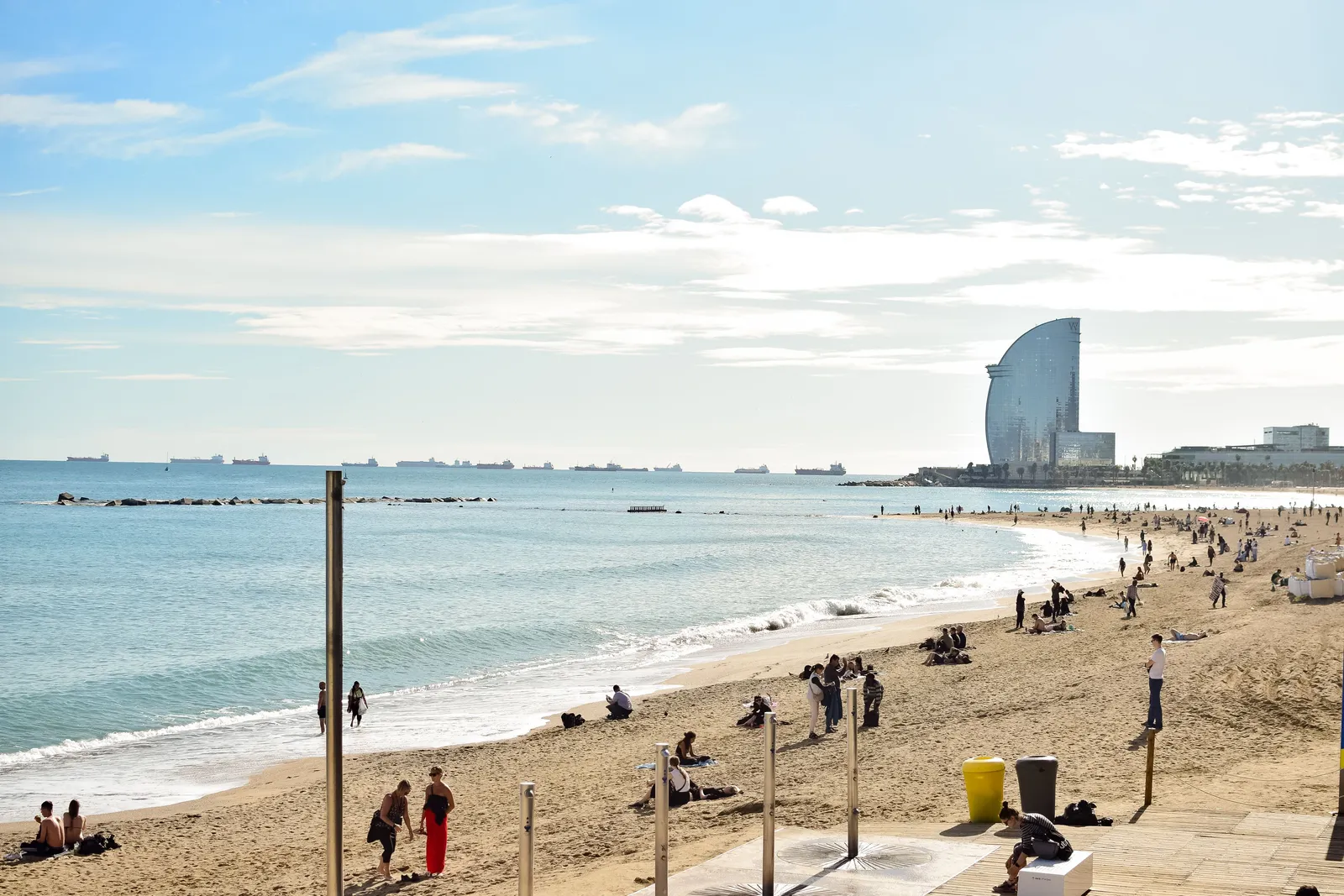
The rule is simple and almost universally reliable: walk away from the water. The seafront promenade concentrates the worst value in the city, because a restaurant with a sea view does not need to compete on food.
Barceloneta, but not the beachfront
Barceloneta has genuinely good restaurants, and they are on the inner streets of the neighbourhood rather than facing the beach. The distinction is two or three streets and a large difference in both quality and price. Our guide to Barceloneta and the beaches covers the geography.
Poblenou and the old fish market
Beyond it, Poblenou and the streets around the old fish market are where people who live here eat fish, with no view and much better cooking.
Buying fish by weight
How the pricing works
Whole fish is frequently priced by weight rather than per portion, with the menu showing a price per hundred grams or per kilo and the fish chosen from a display before cooking. This is standard practice across Spain and it is not a scam.
It does mean the bill is not fixed when you order. Ask what your chosen fish weighs and what that works out to before agreeing, which any reputable restaurant will answer immediately and without irritation. The places that are evasive about it are the places to leave.
Bread, olives and cover charges
The same applies to anything brought to the table you did not order. Bread, olives and small plates put down unasked are usually charged, which is normal practice and not a swindle, but you are entitled to wave them away. Check the bill for a cover charge as well, since some restaurants apply one per person. None of this is unique to seafood; it simply lands harder on a meal where the main course was already priced by the kilo.
One more option: start at the market
Look before you eat
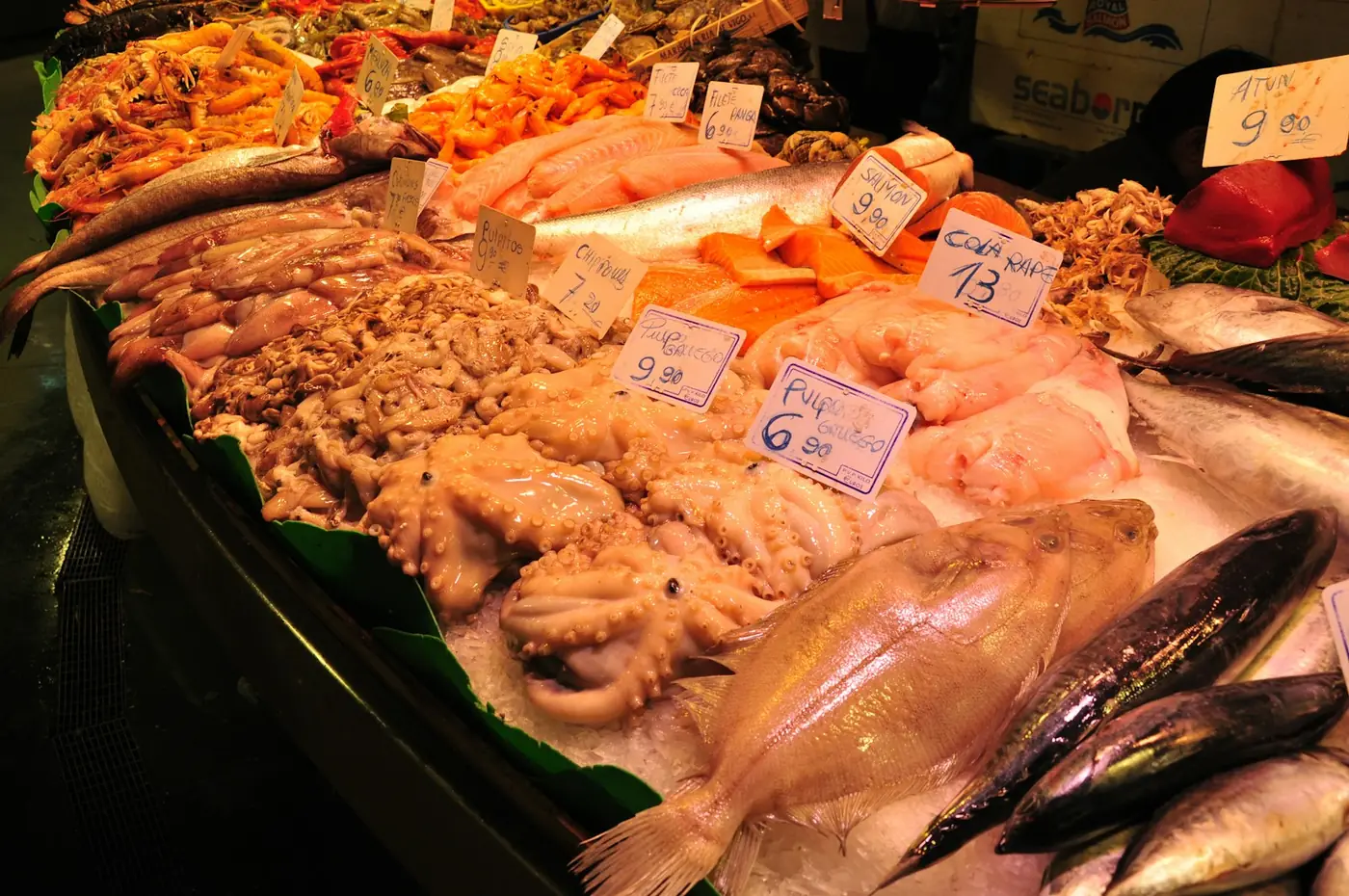
If you want to understand what is actually in season and what Catalan cooking is built on, spend half an hour in the Boqueria before you eat rather than after. The fish counters and the vegetable stalls tell you more about the local kitchen than any menu will, and it recalibrates what you order for the rest of the trip.
Buying rice to cook yourself
If you want rice to take home or to cook in a rented flat, markets, delis and ordinary supermarkets in Barcelona sell the round-grain rice used for these dishes, often labelled as bomba. Prices vary by shop and brand, so compare a couple before buying. Remember that the dishes above need a wide shallow pan, so a deep saucepan will not give you socarrat.
The short version
The summary is simple: paella is Valencian, Catalonia has better rice dishes of its own, and the best test of any plate is whether it was cooked to order. Order arros negre, arros a banda or fideua at lunch, treat a single-portion price with suspicion, ask the weight of any whole fish, and walk two or three streets back from the water. Have you ever been served a paella that made you suspicious, and what gave it away?