Let’s start with perspective: Barcelona is a very safe city. Violent crime against visitors is rare, the healthcare is excellent, and the overwhelming majority of trips end with nothing worse than sunburn. But things go wrong on holiday the way they go wrong anywhere, and in Barcelona one thing in particular, pickpocketing, goes wrong often enough that every visitor should arrive prepared. Save this page, screenshot the table, and with any luck you will never open it again.
The numbers to save before you land
| Number | What it is | Notes |
|---|---|---|
| 112 | All emergencies (police, ambulance, fire) | Free, works from any phone, English spoken |
| 061 | Medical emergencies and health advice | Ambulance dispatch and urgent medical guidance |
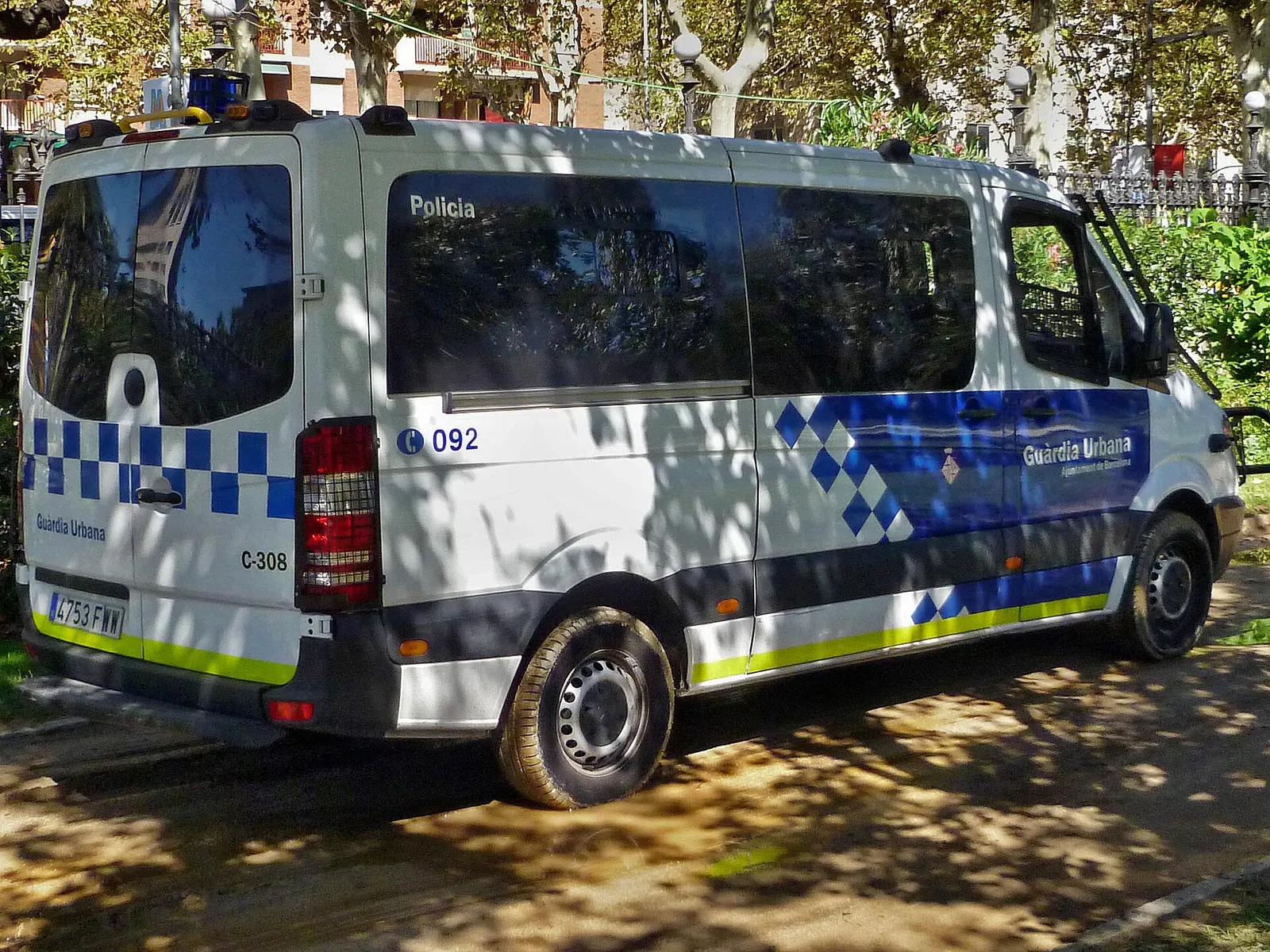
| 092 | Guàrdia Urbana (city police) | Traffic accidents, street incidents |
| 088 | Mossos d’Esquadra (Catalan police) | Crime reports, the force that handles theft |
| 091 | Policía Nacional | Documents, immigration matters |
| 902 102 112 | Report a crime by phone | Start a theft report (denuncia) in English |
| 010 | Barcelona city information | Non-emergency city services |
If you remember only one: 112. It is the European equivalent of 911, free from any phone, even one without a SIM card or credit, and the operators work in English, French, German, Spanish and Catalan. They dispatch whichever service you need, so you never have to guess which police force is which.
Pickpocketing: the one real risk, and the paperwork after
Here is the honest picture. Barcelona’s problem is not violence, it is professional pickpocketing, and it is genuinely widespread. The hotspots are exactly where visitors are: La Rambla, the metro (especially lines to the Sagrada Família and busy interchange stations), La Boqueria market, the beachfront, and any packed crowd. The methods are practiced: the distraction spill, the metro-door squeeze, the helpful stranger, the phone lifted from a cafe table in one smooth pass.
Prevention is boring and effective: bag in front in crowds, phone in a zipped pocket and never on the table, cards split between two places, nothing valuable in a back pocket, and extra alertness the moment metro doors open. Our first-timer guide has more on which situations to watch.
If it happens anyway, work the checklist. First, freeze or cancel your cards from your banking apps within minutes; that is where real losses happen. Second, note your phone’s IMEI blocked status if it was taken, and mark it lost in Find My or the Android equivalent. Third, file the police report, the denuncia. You have three routes: call 902 102 112 and file in English by phone, start the report online through the Mossos d’Esquadra website, or walk into a station. The most tourist-practiced station sits just off the lower Rambla at Nou de la Rambla 76 to 80, and there is a heavily used office at Plaça Catalunya. A denuncia will not usually recover your property, but it is the document your insurance claim and passport replacement depend on, so do it within 24 hours.
Medical help: hospitals, clinics and how billing works
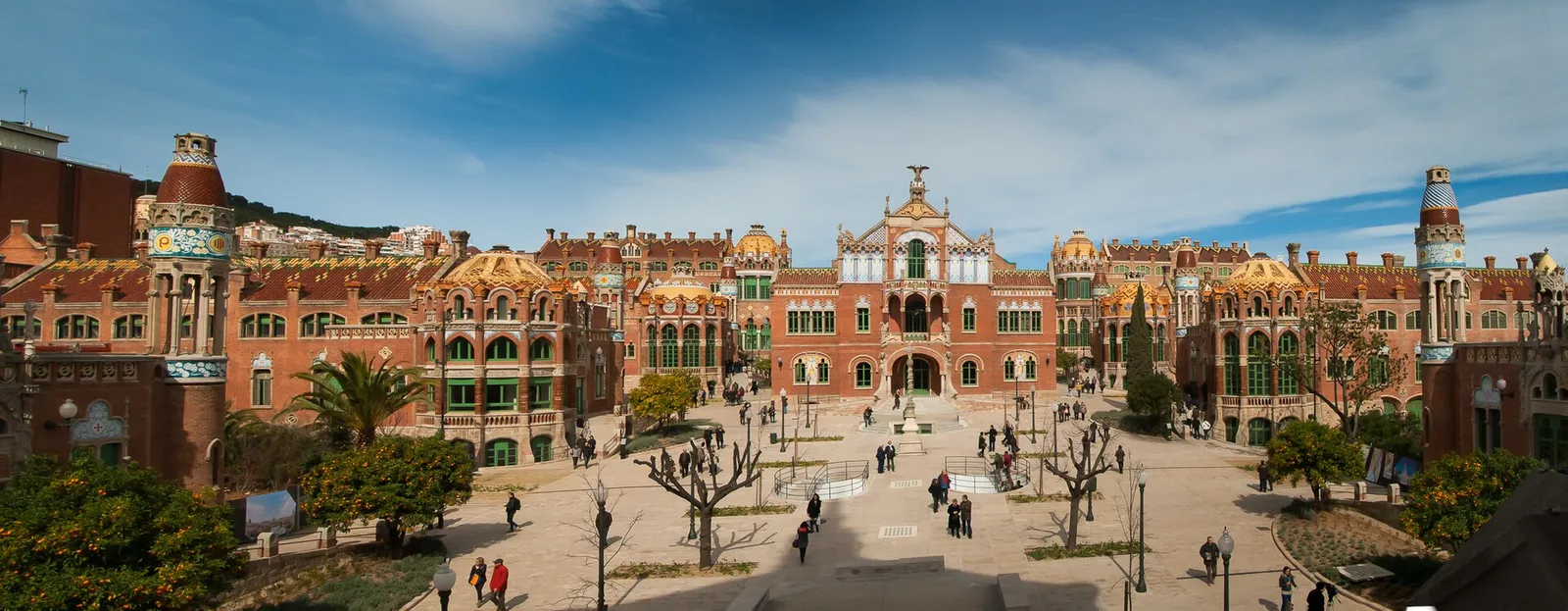
For anything serious, call 112 or go straight to an emergency department (urgencias). Barcelona’s public hospitals are first-rate; the big central ones include Hospital Clínic (Eixample), Hospital de Sant Pau (near the Sagrada Família) and Hospital del Mar (by the beach, and used to summer tourist traffic). Emergency care is given to everyone first and billed after.
The money side depends on your paperwork. EU, EEA and Swiss visitors with an EHIC or GHIC card are treated in the public system on the same terms as locals, which for emergencies means free. Everyone else is billable: an emergency visit typically runs a few hundred euros, and a hospital admission far more, which is why travel insurance belongs on the packing list next to the passport. Private clinics used to international patients, with shorter waits and smooth insurance billing, are plentiful; your insurer’s app will usually point you to a partner clinic.
For something minor, a rash, a fever, a stomach that regrets last night’s seafood, skip the hospital entirely and start at a pharmacy.
Pharmacies: the green cross network
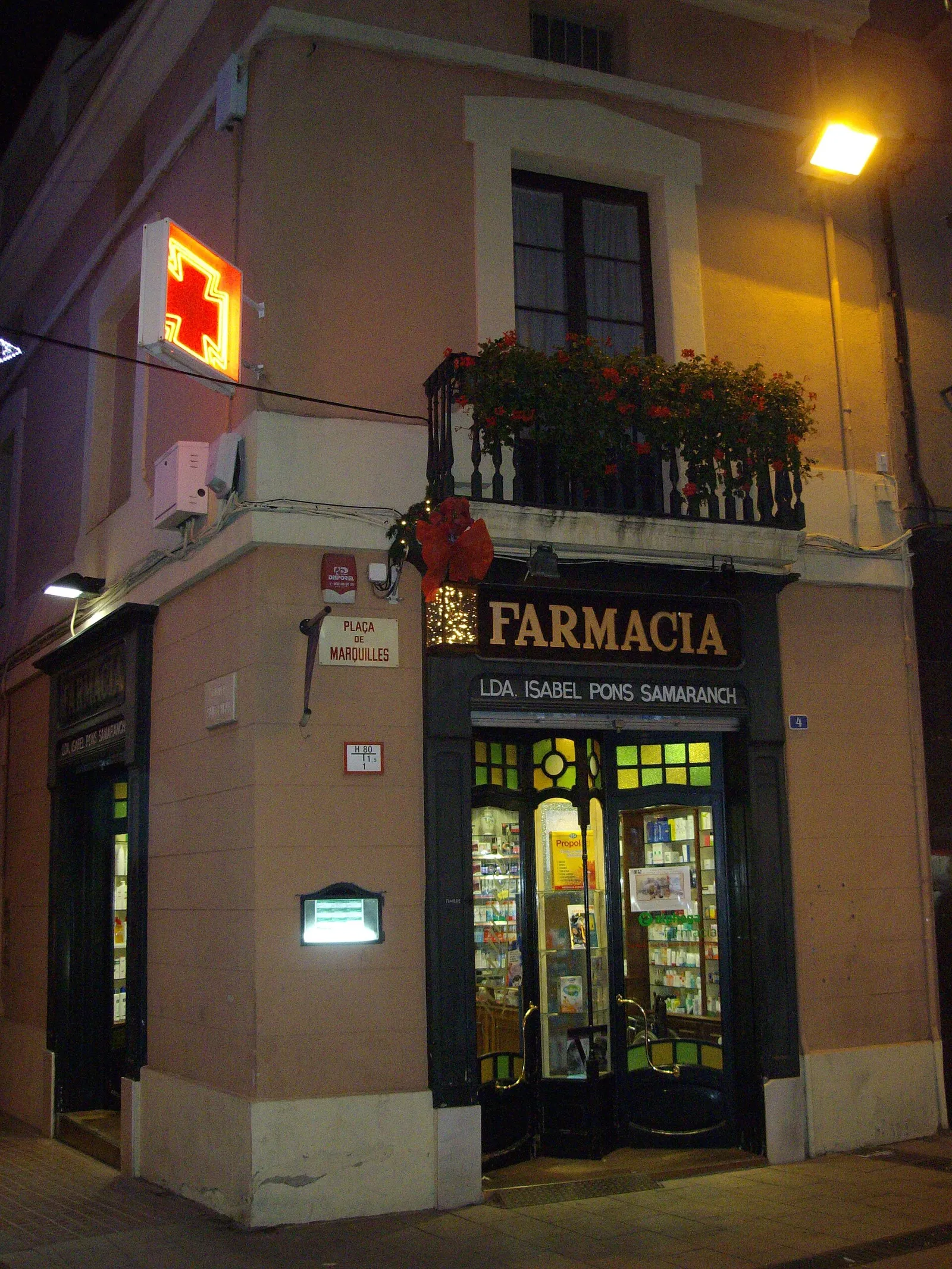
Spanish pharmacists are trained to advise and can resolve most small complaints on the spot, often selling medicines that need prescriptions elsewhere. Look for the flashing green cross; there are hundreds across the city.
At night, two systems cover you. A handful of pharmacies run 24 hours all year, the classic being Farmàcia Clapés at La Rambla 98, with others in the Eixample and Gràcia. And every closed pharmacy posts in its window the address of the nearest farmàcia de guàrdia, the on-duty pharmacy for that night. Bring the generic name of any medication you take rather than the brand name, since brands differ between countries.
Lost passports and your consulate
A lost or stolen passport is a nuisance, not a catastrophe. The sequence: file the denuncia (above), then contact your consulate. Several countries maintain consular representation in Barcelona, including the US, the UK, Australia, Ireland, Germany and France; others, New Zealand and South Africa among them, are covered by their embassy in Madrid, which is a phone call and, if it comes to it, a two and a half hour train away. Which office handles your case is worth checking on your own government’s travel pages rather than assuming, since some Barcelona posts are honorary consulates with limited powers. Consulates issue emergency travel documents, usually within a day or two, and their out-of-hours emergency lines exist precisely for hospitalizations, arrests and serious trouble. Save your consulate’s address and emergency number before you travel; searching for it is much less fun from a police station.
Two smaller lifelines worth knowing: the city’s lost and found office (Oficina de Troballes) at Plaça Carles Pi i Sunyer 8 to 10 receives a surprising amount of what taxis and the metro hand in, and airport lost property at BCN has its own desks per terminal, covered in our airport guide.
The short version
Save 112, treat your phone and bag like the targets they are in crowds, and know the denuncia routine in case a pickpocket wins a round. For health scares: pharmacy for the small stuff, urgencias for the big stuff, and insurance so the bill is someone else’s problem. Do the ten minutes of prep, then forget all of it and enjoy one of Europe’s safest big cities. Deciding where that enjoying happens? Our neighborhood guide is the happier read.