Travel insurance is the least glamorous line in a Barcelona budget, and the one most likely to matter. This is a safe city for serious crime and a famously unsafe one for your pockets, and Spanish private healthcare is excellent but not free for visitors. Here is what the risks actually look like and what a good policy needs to cover.
Why Barcelona specifically
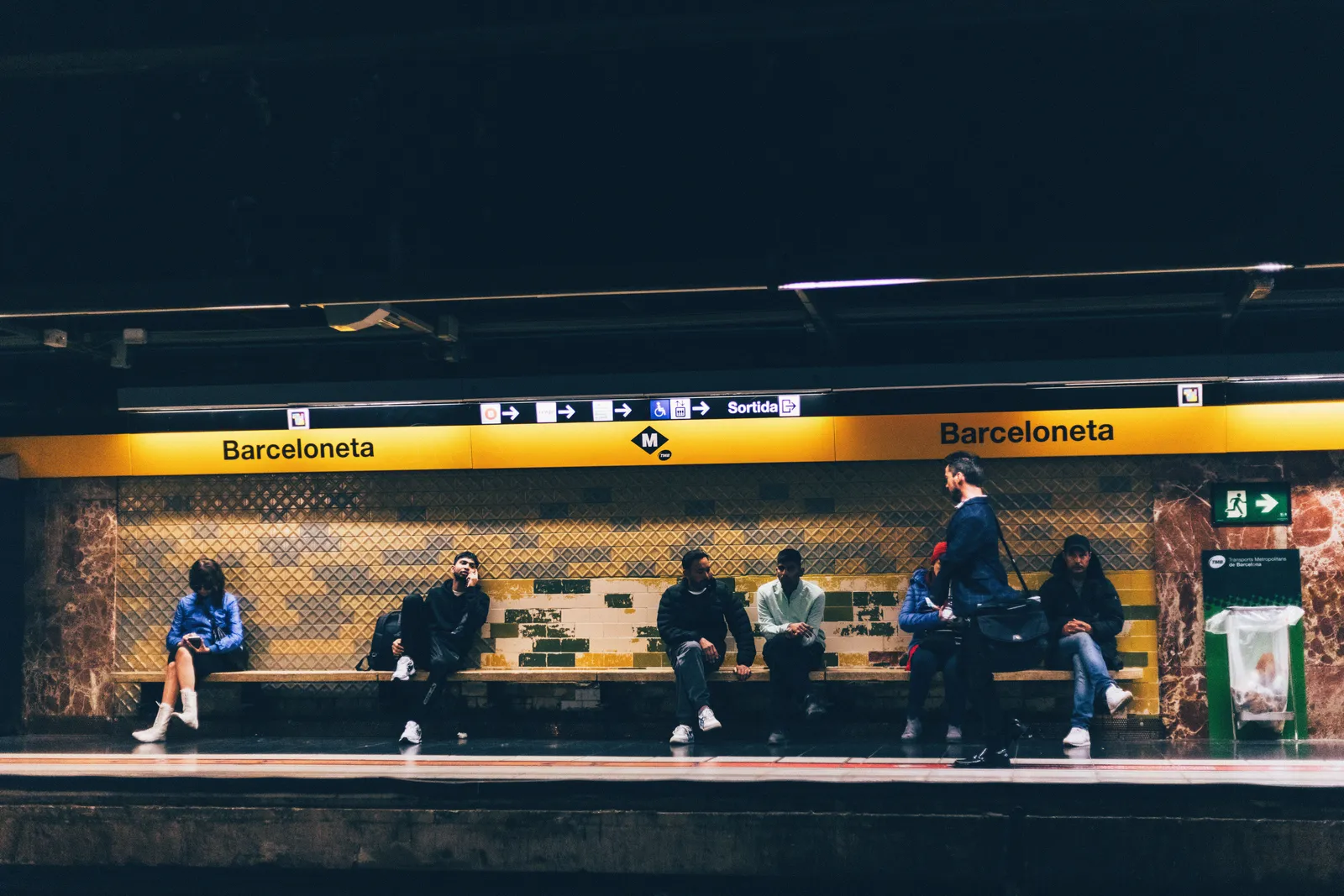
Two things set Barcelona apart from the average European city break. First, it consistently ranks among the worst cities in Europe for pickpocketing: tens of thousands of thefts are reported every year, concentrated on La Rambla, the metro, the beach and around the big Gaudí sites. A stolen phone is by far the most common bad thing that happens to visitors here.
Second, medical care for visitors is private unless you have European coverage. Travelers from EU countries carrying an EHIC card can use the public system, and UK visitors have a similar arrangement, but everyone else, and anyone who wants a private clinic with short waits and English-speaking staff, pays out of pocket. Insurance turns both problems from a budget crisis into paperwork.
What medical care costs without cover
Spanish healthcare is very good, and the private tier is fast. It is also billed at full rates to uninsured foreigners.
| Situation | Typical cost without insurance |
|---|---|
| Private clinic consultation | €80 to €150 |
| Emergency room visit, before tests | €200 to €400 |
| Night in a private hospital | €1,000 or more |
| Broken bone with scans and treatment | €1,500 to €5,000 |
| Surgery plus hospital stay | €10,000 and up |
| Medical repatriation flight | €15,000 to €100,000 |
The everyday numbers are annoying rather than ruinous, and that misleads people. The reason to insure is the bottom rows: the rare event that turns a holiday into a five-figure bill. Look for a policy with a medical limit of at least €1 million and emergency evacuation included.
Theft claims: how they actually work
Because pickpocketing is the number one incident here, read the theft section of any policy twice. The pattern is always the same: cover applies up to a per-item limit, often €300 to €800 for electronics, with an excess deducted, and only for items taken from your person or a locked room, not a bag left on the sand while you swim.
The non-negotiable step is the police report. Insurers require one filed within 24 hours, and in Barcelona that means the Mossos d’Esquadra. There is a station near La Rambla used to handling tourists, and many nationalities can start the report online and sign it later. Keep receipts or photos of expensive items before you travel; proof of ownership speeds up every claim.
One honest note: if you carry a recent flagship phone, check whether the per-item cap actually covers it. On many cheap policies it does not, and a gadget add-on is worth the small extra cost.
Beach, watersports and day trips
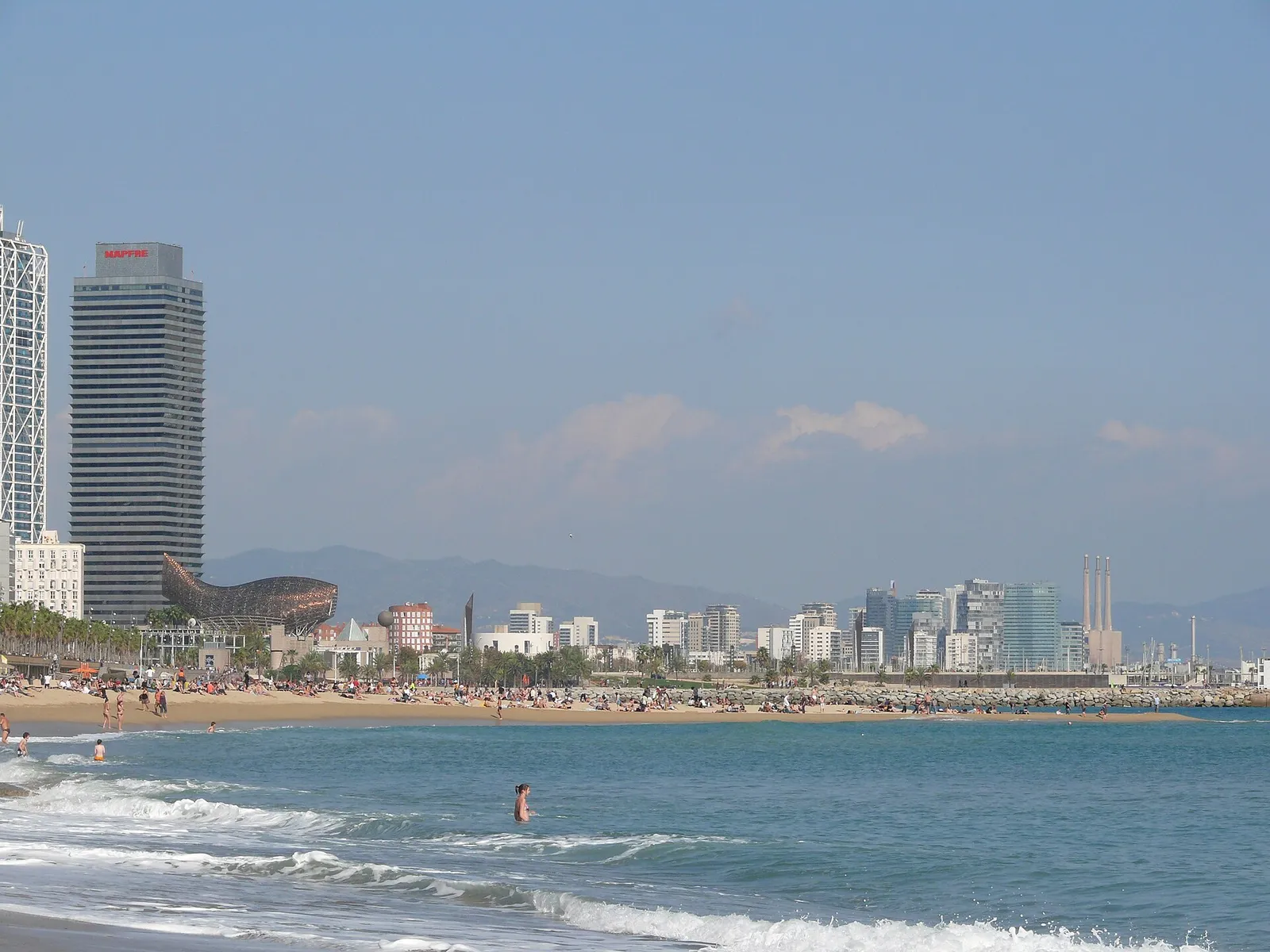
Swimming at Barceloneta and the city beaches is covered by any standard policy. Where travelers get caught out is the activity list: jet skis, kitesurfing, parasailing and scuba diving frequently require an adventure sports add-on, and a claim for an uncovered activity is simply refused. If your plans include a watersports afternoon or a sailing trip, spend two minutes confirming the activity is listed.
Day trips need no special handling, though winter visitors heading beyond Catalonia to the Pyrenees for skiing should note that winter sports are almost always a separate add-on too.
Flights, delays and cancellation
Flights departing European airports fall under EU passenger rights rules, which oblige airlines to compensate many long delays and cancellations. Insurance does not replace that; it fills the gaps. Trip cancellation cover refunds prepaid hotels and tickets if illness or emergency stops you traveling at all. Delay cover pays for meals and hotel nights the airline will not. Missed connection cover matters if you booked separate tickets. If your Barcelona trip is built on nonrefundable bookings made months ahead, cancellation cover is arguably the most valuable part of the policy.
Choosing a provider
International travelers have plenty of solid options, and the honest answer is that no single company wins for everyone. SafetyWing is popular with long-stay and remote-work travelers for its subscription model. World Nomads built its name on activity cover. Allianz and IMG are large traditional insurers with strong medical networks. Any of them, and many regional insurers, can cover a Spain trip well.
Compare on the things that matter instead of the logo: the medical limit, the theft per-item cap, the excess you pay per claim, the activity list, and whether the policy covers the whole Schengen area if you are combining countries. Then weigh the price against your overall trip budget; cover usually lands somewhere between a coffee and a menú del día per day.
The short version
Barcelona’s real risks are a picked pocket and a private medical bill, and both are exactly what travel insurance exists for. Buy before you fly, insist on a high medical limit with evacuation, check the theft cap against your phone, add watersports if you plan them, and file a police report within 24 hours if anything is taken. Then forget about it and enjoy the city, which is what a first trip here should feel like.