Barcelona El Prat (BCN) sits just 15 km southwest of the city, and getting into town is quick, cheap and refreshingly simple once you know the four options. The right one depends on where you are sleeping, how much luggage you carry, and which terminal you land in. Here is the whole picture, with real prices, so you can decide before the seatbelt sign goes off.
First: know your terminal
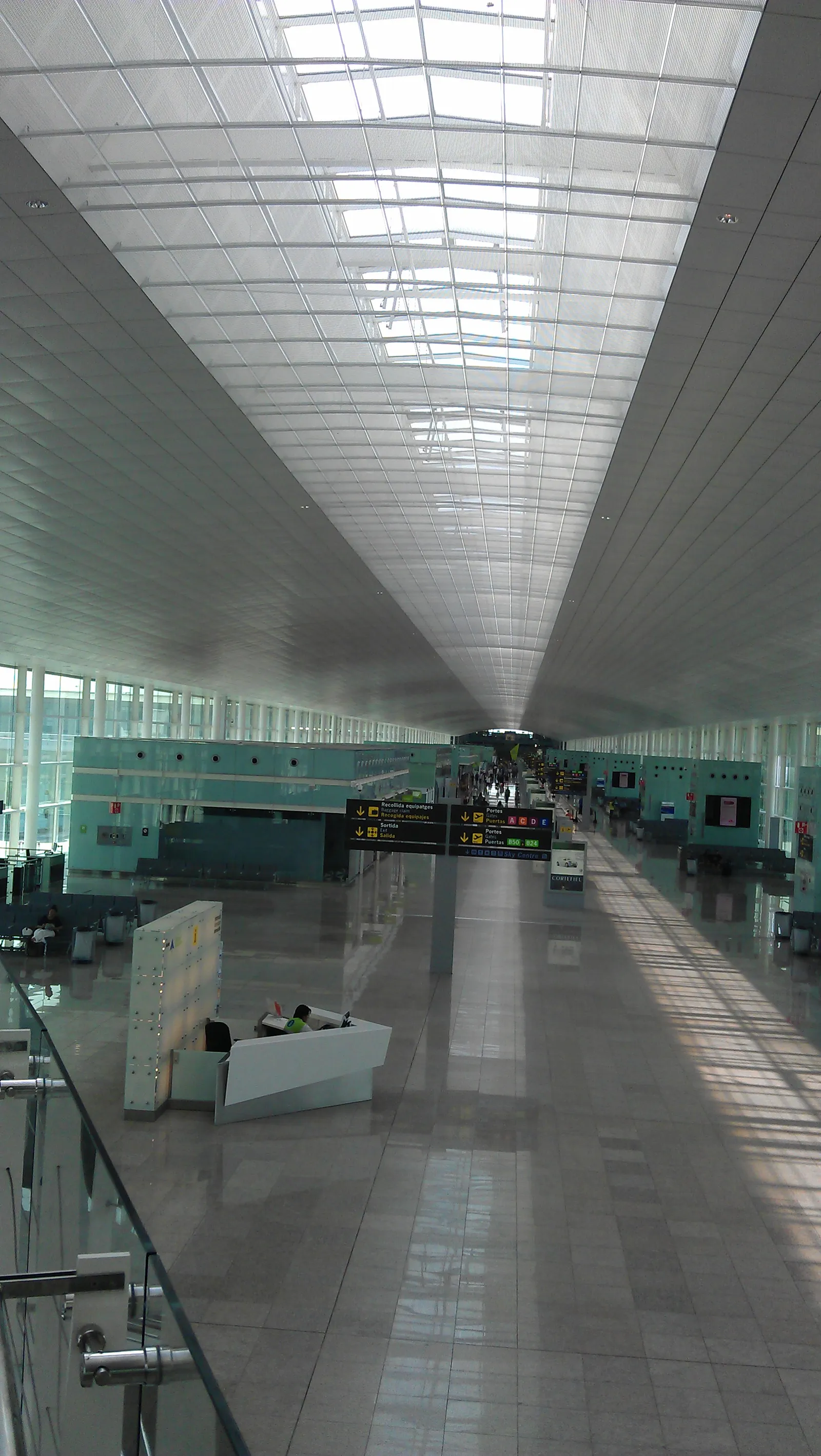
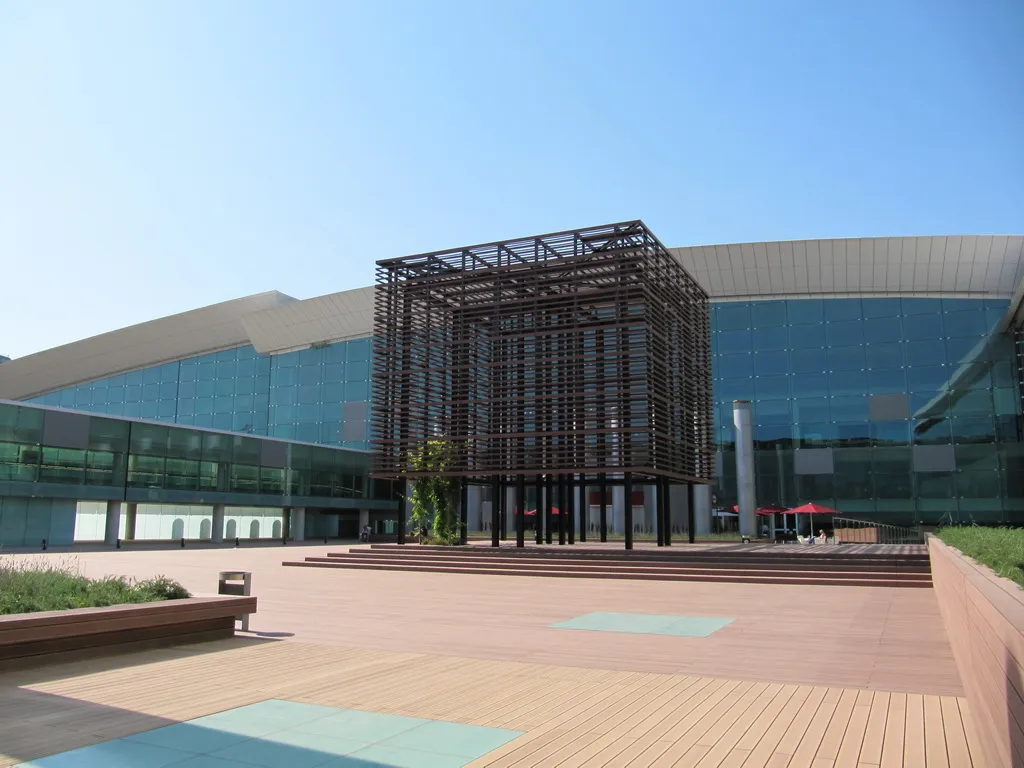
BCN has two terminals a full 4 km apart, and they are not equal. Terminal 1 is the big modern hub handling most major airlines. Terminal 2 is the older complex, home mostly to low-cost carriers, and it has one transport advantage: the train station. A free shuttle bus (the green Bustransit) links T1 and T2 around the clock, every 6 to 10 minutes in the daytime, taking about 10 minutes. Both terminals have Aerobus stops, metro stations and taxi ranks.
The four ways in, compared
| Option | Price | Time to center | Runs | Best for |
|---|---|---|---|---|
| Aerobus | ~8 EUR one way | 35 min to Pl. Catalunya | Every 5-10 min, ~5:00-1:00 | Most travelers |
| R2 Nord train | Under 5 EUR (T-casual valid) | 25 min to Passeig de Gràcia | Every 30 min, T2 only | Budget, Eixample stays |
| Metro L9 Sud | ~6 EUR airport fare | 45-60 min with transfer | Every 7 min, ~5:00-24:00 | Sants area, Hola card holders |
| Taxi (metered) | Usually ~35 to 45 EUR | 20-30 min | 24 h | Groups, night arrivals, luggage |
Now the detail that the table cannot hold.
Aerobus: the default answer
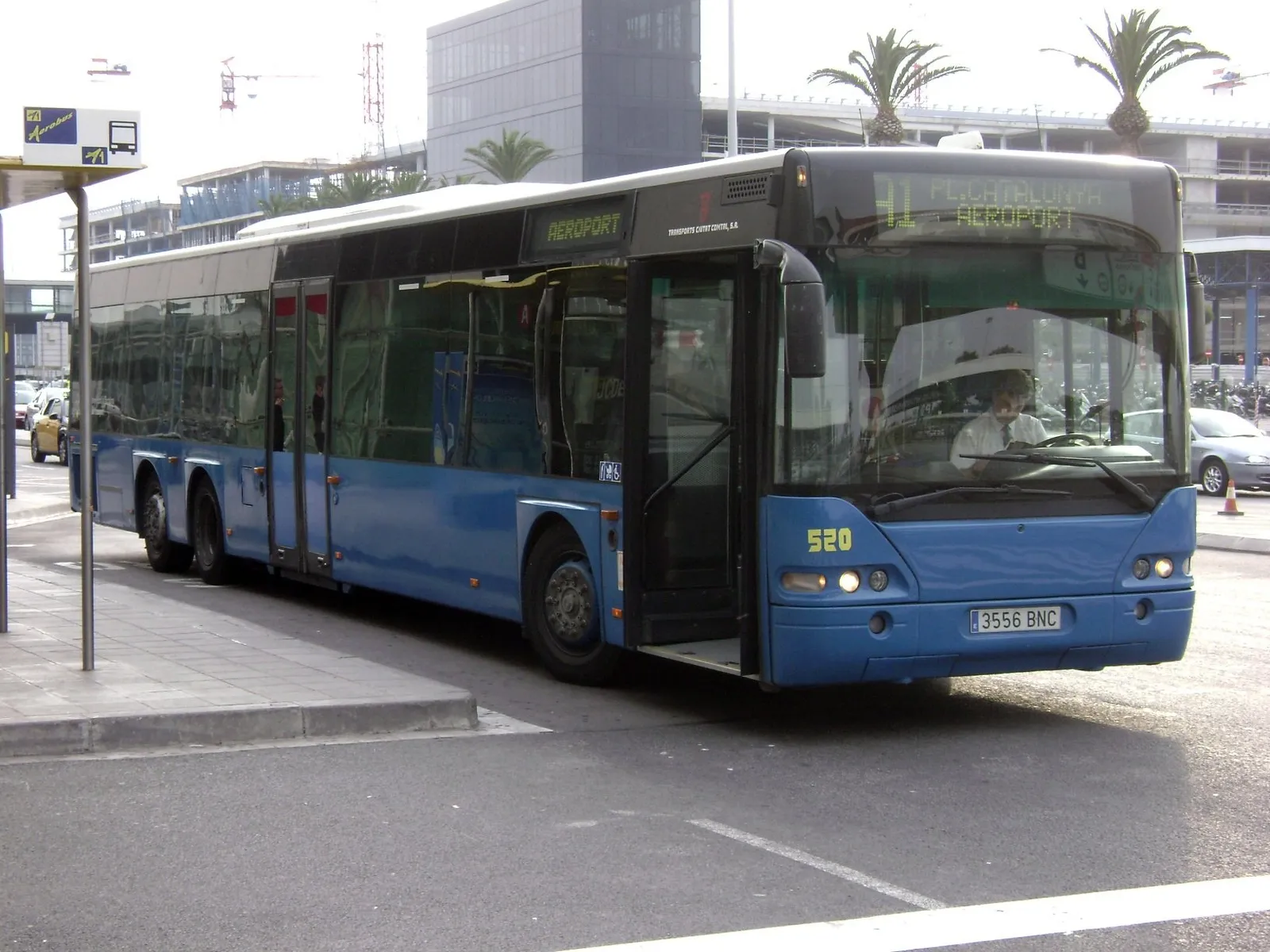
For most visitors, the Aerobus is the one to beat. These bright blue express coaches run nonstop from both terminals (A1 from T1, A2 from T2) to Plaça de Catalunya, the dead center of the city, with a couple of stops on the way at Sepúlveda-Urgell and Plaça Espanya. Buses leave every 5 to 10 minutes from early morning until well past midnight, take about 35 minutes, and have luggage racks, USB ports and wifi. A single is around 8 EUR, a return slightly less per leg, and you can pay by card at the stop, on board, or book online.
Why it wins: no transfers, no stairs, frequent departures, and Plaça de Catalunya puts you within a short walk or one metro hop of most hotels. If you are staying in the Gothic Quarter, El Born, the Raval or the lower Eixample, this is your ride.
R2 Nord train: the budget pick with a catch
The Rodalies R2 Nord commuter train is the cheapest way in, with a single under 5 EUR, and it has a trump card: the standard T-casual multi-trip ticket is valid on it, unlike the airport metro. Trains run every 30 minutes and reach Barcelona Sants in about 19 minutes and Passeig de Gràcia, in the heart of the Eixample near the Gaudí houses, in about 25.
The catch is the station location: it sits by Terminal 2, linked by a footbridge. Landing at T1 means riding the free shuttle first, which adds 15 to 20 minutes and dents the convenience. Rule of thumb: T2 arrival plus an Eixample hotel equals take the train; T1 arrival equals Aerobus unless you love saving every euro. For how the T-casual works once you are in town, see our getting around Barcelona guide.
Metro L9 Sud: useful for some, overrated for most
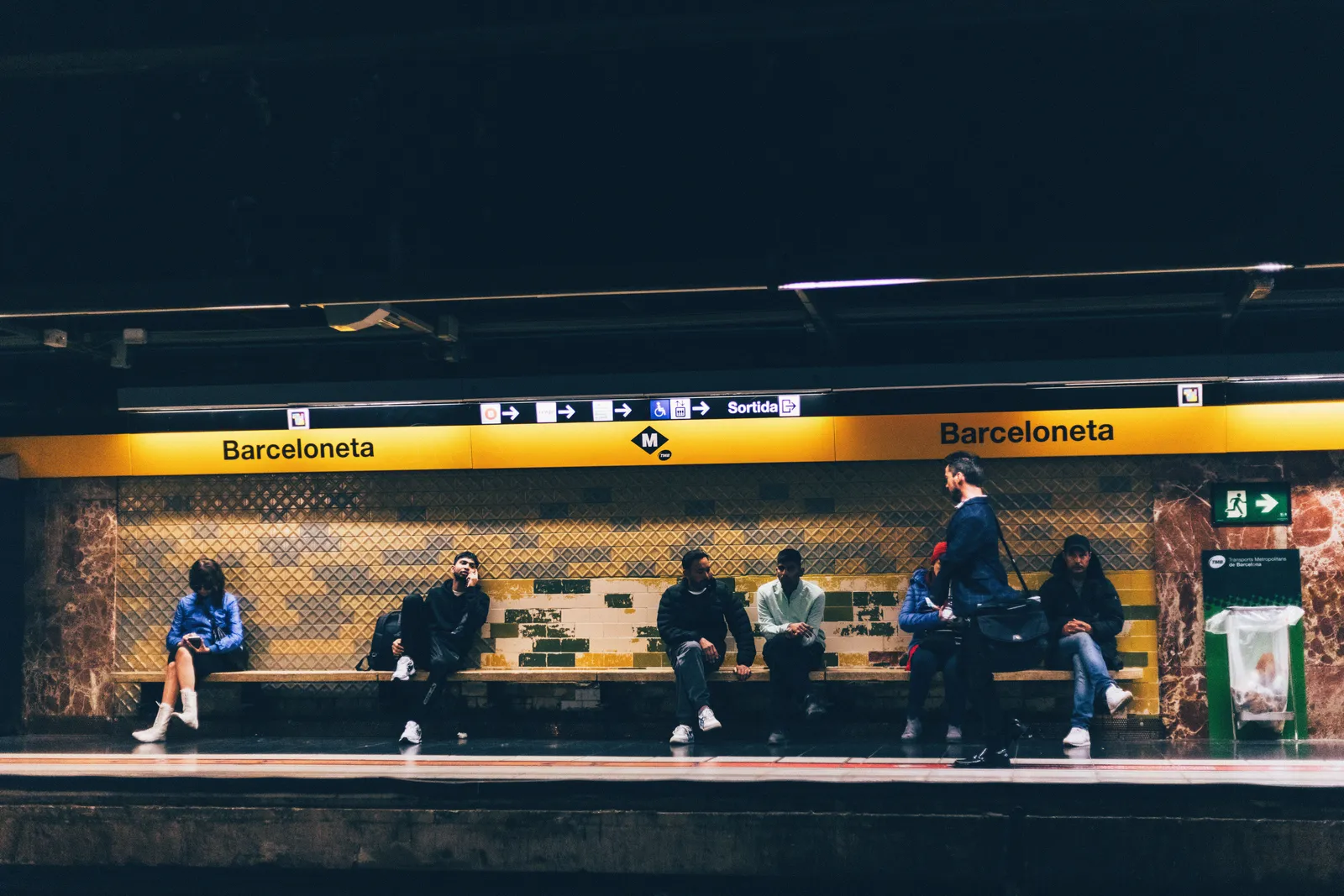
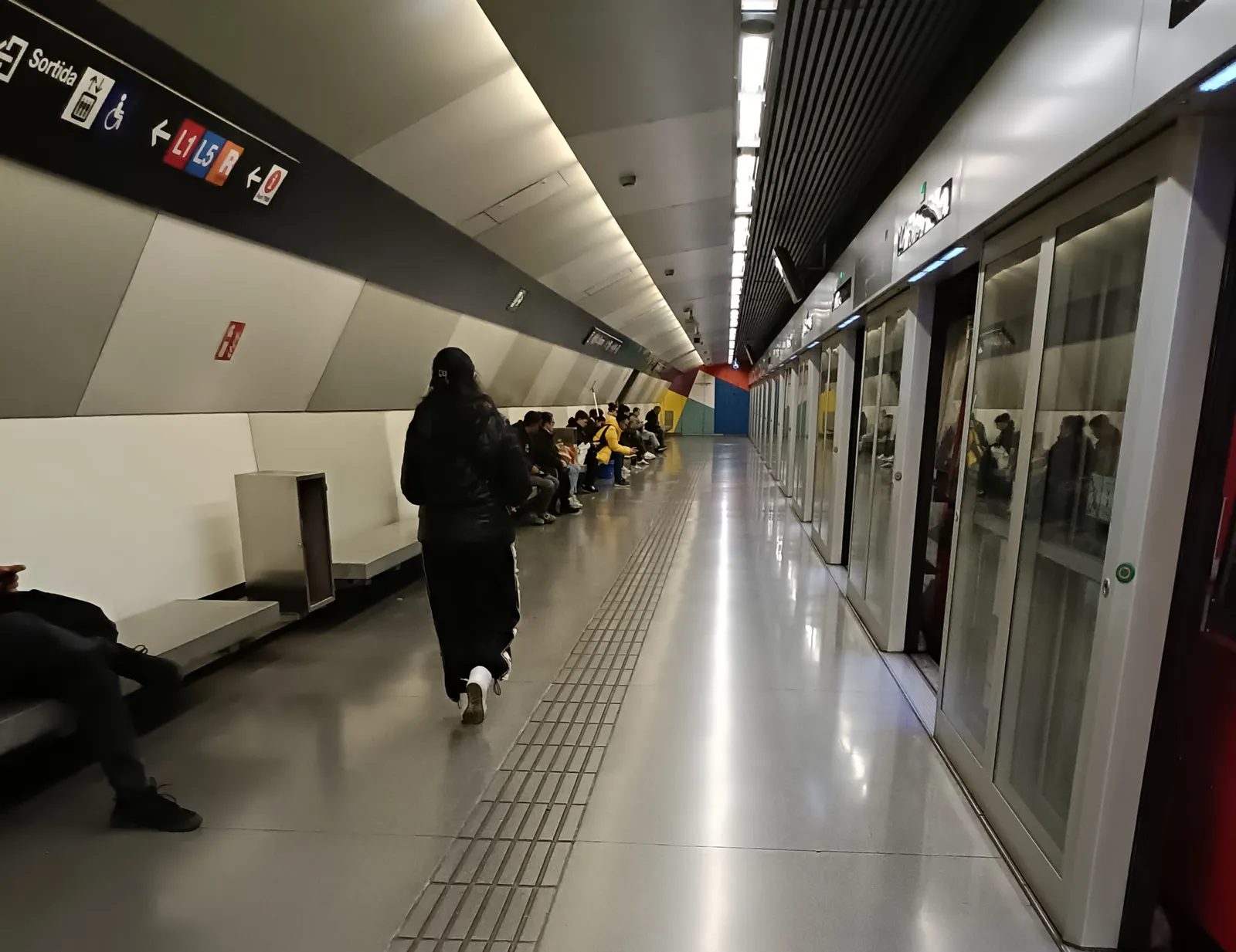
Both terminals have stations on Metro line L9 Sud, with driverless trains every 7 minutes. Sounds perfect, but two caveats keep it from the top spot. First, the fare: airport metro stations need a special airport ticket around 6 EUR; the T-casual is not accepted (the Hola Barcelona unlimited card does include it, which is exactly when the metro option shines). Second, the geography: L9 Sud runs along the city’s edge and never touches the center, so reaching Plaça Catalunya or the old town means transferring at Torrassa or Collblanc and a total journey of 45 to 60 minutes.
When it makes sense: you hold a Hola Barcelona card, you are staying near Sants or the Fira, or you are connecting toward Camp Nou. Otherwise, the bus or train beats it.
Taxi and ride-hail: the comfort option
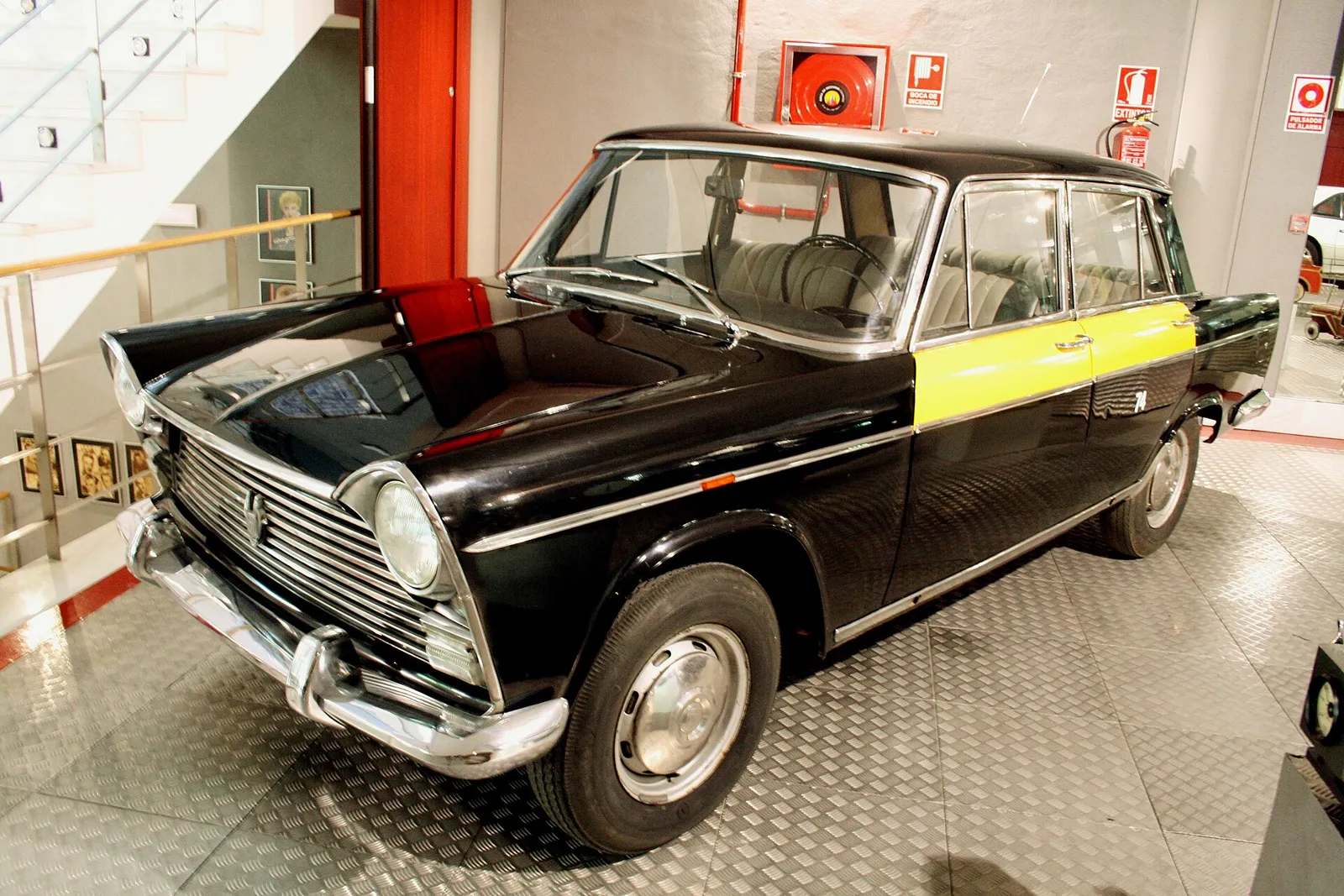
After a red-eye with two suitcases and a toddler, forget optimization: the taxi rank is right outside every arrivals hall, no booking needed. One thing to get straight, because plenty of guides say otherwise: Barcelona has no flat airport fare to the city. The meter runs, with an airport surcharge and a minimum fare applied on top, and the total depends on where you are going and how the traffic behaves. In practice most rides to central hotels land somewhere around 35 to 45 EUR for a 20 to 30 minute trip. Official cabs are black and yellow, all take cards, and the only genuinely fixed fare on the airport board is the separate one to the cruise terminal.
Uber, Cabify and Bolt all serve BCN from signed pickup zones. Fares tend to land near what the meter would produce and rise with demand, so the app’s real advantage is seeing the price before you commit, not saving money. At 3 am, whichever has a car is the right answer.
Night arrivals
Between roughly 1:00 and 5:00 the train and metro sleep, and the Aerobus stops running too. Your options are the night buses to Plaça de Catalunya, a couple of euros each and roughly every 20 minutes: the N17 from Terminal 1, and the N16 from Terminal 2 (it runs on to Castelldefels, so check you are boarding in the right direction). Otherwise, take a taxi. After a long flight, most people decide the meter is the easiest thing to accept all day.
The short version
Aerobus for most trips, the R2 Nord train if you land at T2 or sleep in the Eixample, the metro only with a Hola Barcelona card or a Sants-side hotel, and a metered taxi, usually landing around 35 to 45 EUR, for groups, mountains of luggage or arrivals at unsociable hours. Whichever you choose, you will be dropping bags within the hour, and the good part begins: start with our first-timer guide and keep our budget breakdown handy for everything after the ride in.