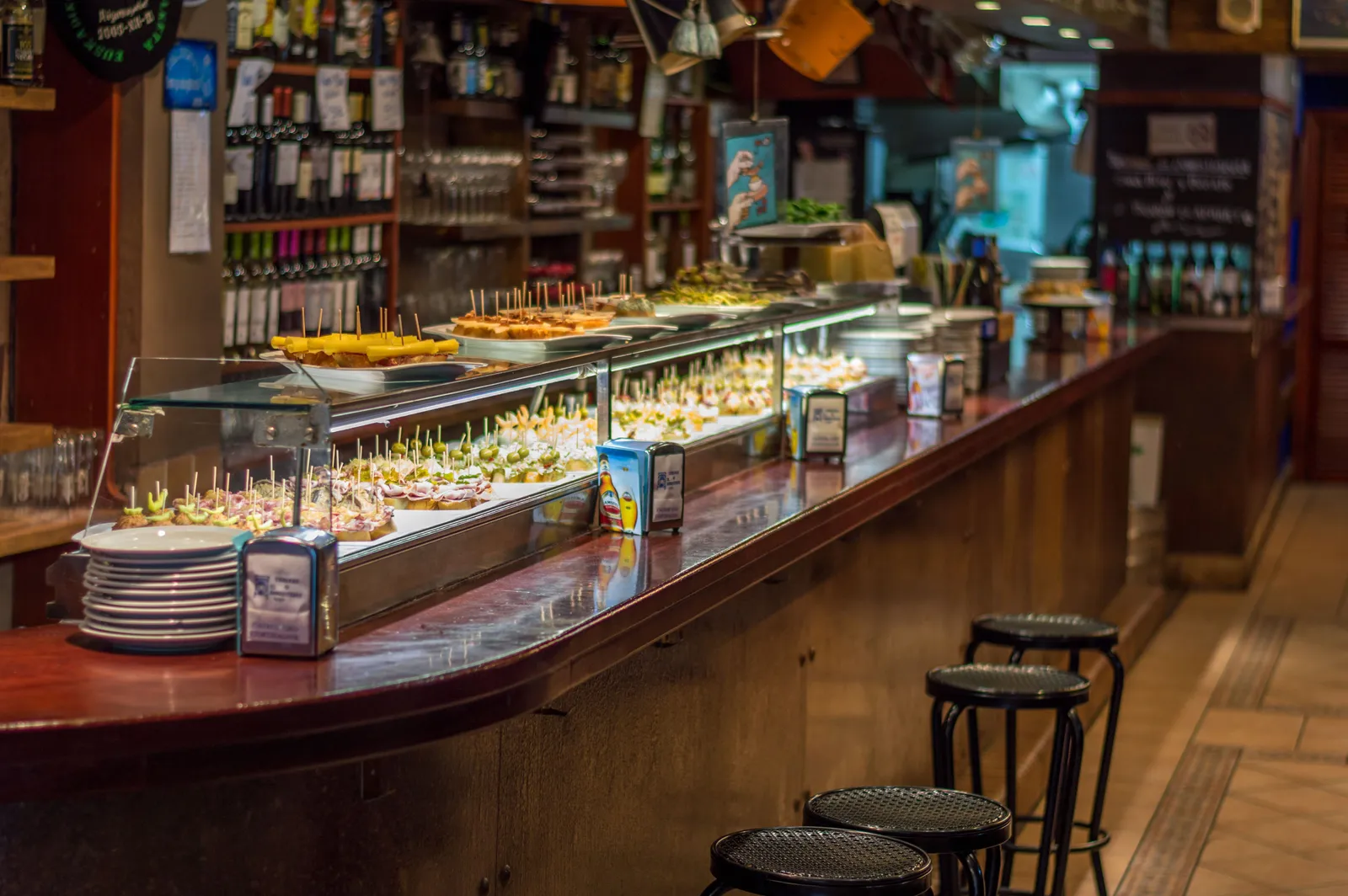
Barcelona is a mid-priced European city: not cheap like the Balkans, not brutal like Paris or London. With a little planning you can do it comfortably without spending a fortune. Here is what things actually cost and where the real savings are.
What a day costs
As a rough guide per person, a budget day runs around €70 to €90 once you spread out a hostel or shared room, market food and a couple of sights. A comfortable mid-range day is closer to €130 to €180 with a central hotel room, restaurant meals and a paid attraction or two. The single biggest variable is the room, so that is where planning pays off most.
If you are travelling as a couple or a small group, remember that some costs shrink when shared, like a double room or a taxi, while others stay stubbornly per person, like the tourist tax and museum tickets. Do the maths on a per-person basis and you will get a truer picture of the trip than a single headline figure ever gives you.
Where the money goes
Accommodation is the heavyweight, swinging from €60 a night for a decent double out of season to well over €150 in summer. Food is flexible: a market lunch or a menú del día costs a fraction of a sit-down dinner. Sights add up if you are not careful, since the Gaudí tickets run roughly €25 to €40 each. Transport is cheap, a few euros a day on a T-casual.
Here is a rough breakdown to plan against. Treat the numbers as approximate and current at the time of writing, and confirm anything time-sensitive when you book.
| Expense | Budget | Mid-range |
|---|---|---|
| Bed per night | €25 to €40 (dorm or shared) | €90 to €160 (central double) |
| Food per day | €20 to €30 | €45 to €80 |
| One major sight | €25 to €40 | €25 to €40 |
| Transport per day | €3 to €6 | €3 to €6 (or taxis on top) |
| Tourist tax per night | around €7 | around €10 to €12 |
The tax nobody budgets for
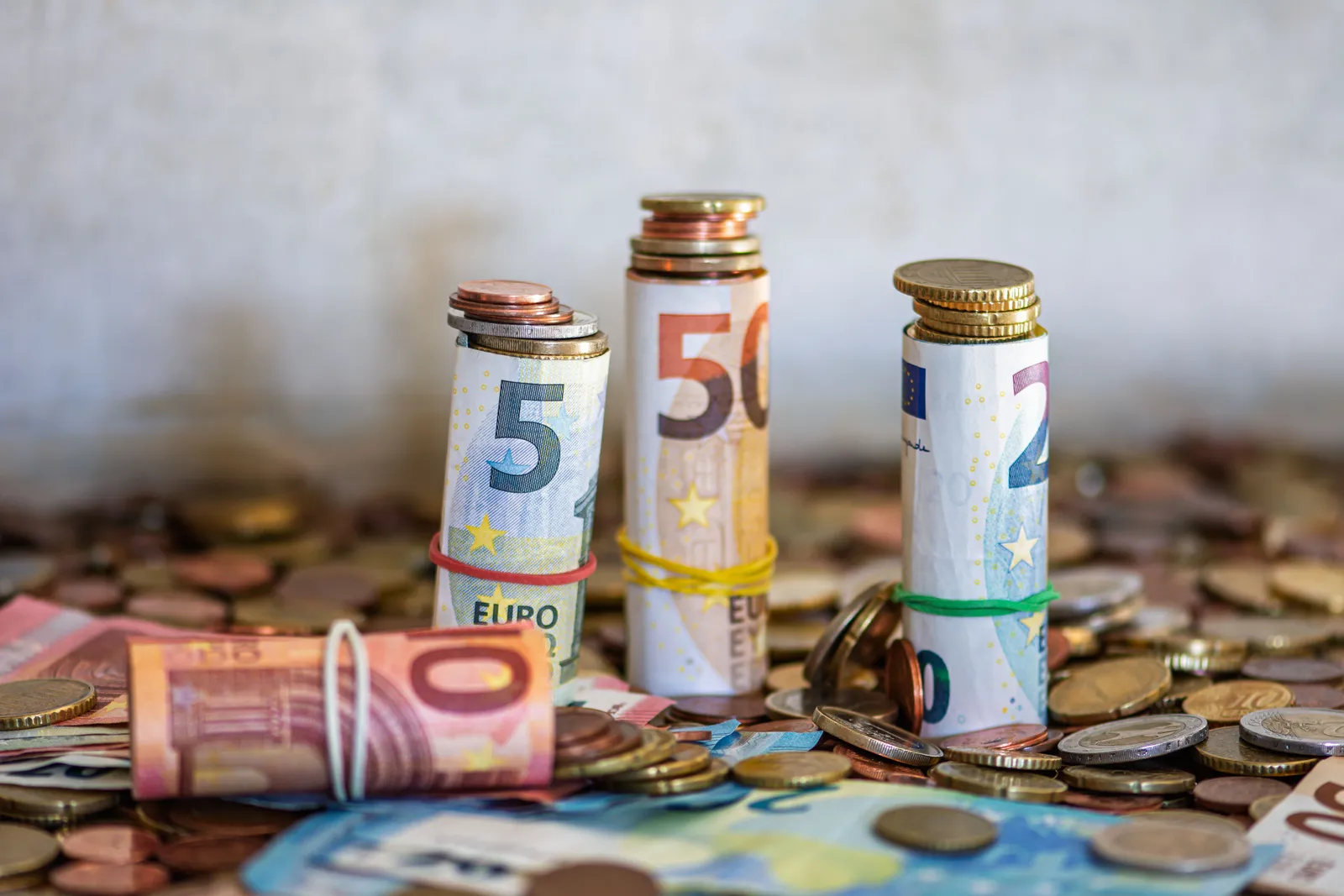
One line catches almost every visitor out. Barcelona charges a tourist tax per person, per night, combining a Catalan regional rate with a city surcharge, and it went up again in April 2026. Depending on the category of your accommodation it now runs from roughly €7 a night at the modest end to around €12 at a five-star hotel, with apartments and short-term rentals in between.
Two things make it sting. It is charged separately at check-out, so it is usually not in the price you compared when booking, and it is per person, not per room. A couple on a week-long trip can easily add €100 or more to the bill. Rates change most years and there are exemptions for younger children, so check the current figure for your accommodation type when you book rather than assuming the number above.
Honest ways to save
The savings that actually work, without ruining the trip:
- Go in the shoulder season. Spring and autumn cut room prices sharply and thin the queues.
- Eat your big meal at lunch. The menú del día gives you three courses and a drink for what a main costs at dinner.
- Book Gaudí sites online, early. The gate price is higher, and last-minute means the pricier slots or a wasted trip.
- Buy a T-casual, not singles. Ten shared rides for the price of a few.
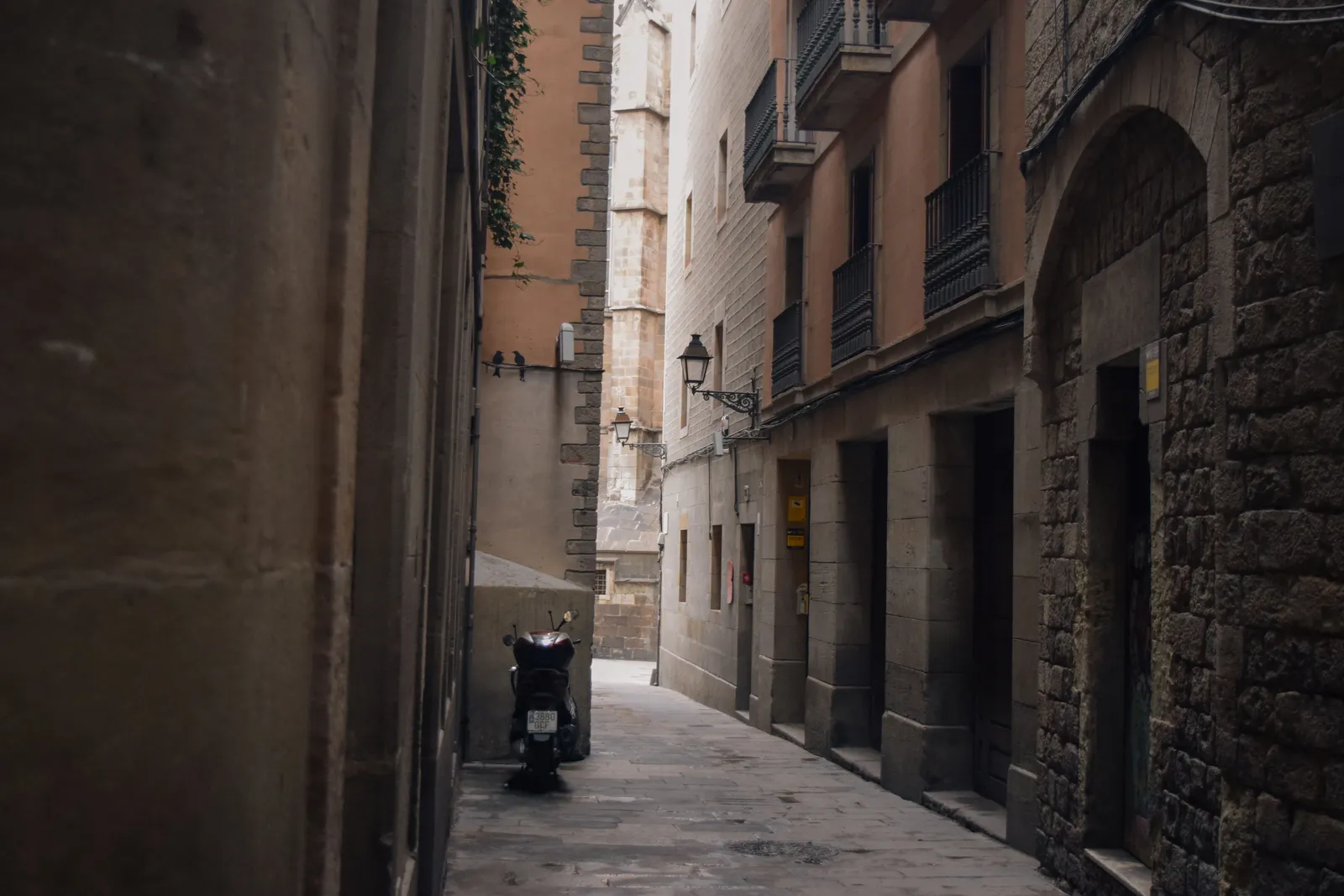
- Mix in the free stuff. The Gothic Quarter, the beach, the Bunkers del Carmel viewpoint (open daytime hours only these days) and many parks cost nothing, as does the Magic Fountain of Montjuïc show, which runs on selected evenings rather than nightly, so check the schedule before you make the trip.
The free museum days worth planning around
Several of the big museums, including the Picasso Museum and the MNAC on Montjuïc, offer free entry on the first Sunday of the month, and some open their doors free on Sunday afternoons too. These slots are popular, so arrive early or expect a queue. The city also runs a handful of free-entry afternoons and evenings across the year. It is worth a quick look at each museum’s official page while you plan, because building a couple of these into your itinerary can save a family a serious amount without cutting anything you actually wanted to see.
When to come for the cheapest trip
Timing is the closest thing Barcelona has to a magic money lever. High summer and the big trade-fair weeks push room rates to their peak and fill the queues at every Gaudí site. The shoulder months on either side of summer usually give you kinder prices, thinner crowds and weather that is often more pleasant for walking anyway. Deep winter can be cheaper still, with the trade-off of shorter days and the odd wet spell.
Before you lock in dates, it is worth reading our month-by-month guide to Barcelona weather so you match the savings to the kind of days you actually want, whether that is beach heat or cool sightseeing weather. A cheap room in a week of rain is a false economy if you had your heart set on the coast.
Getting in from the airport without overpaying
The journey between the airport and the centre is a classic spot to lose money for no reason. There is a wide gap between the cheapest public options and a private car to the door, and the right choice depends on your luggage, your group size and the hour you land. A solo traveller with a backpack has very different maths from a family of four arriving near midnight.
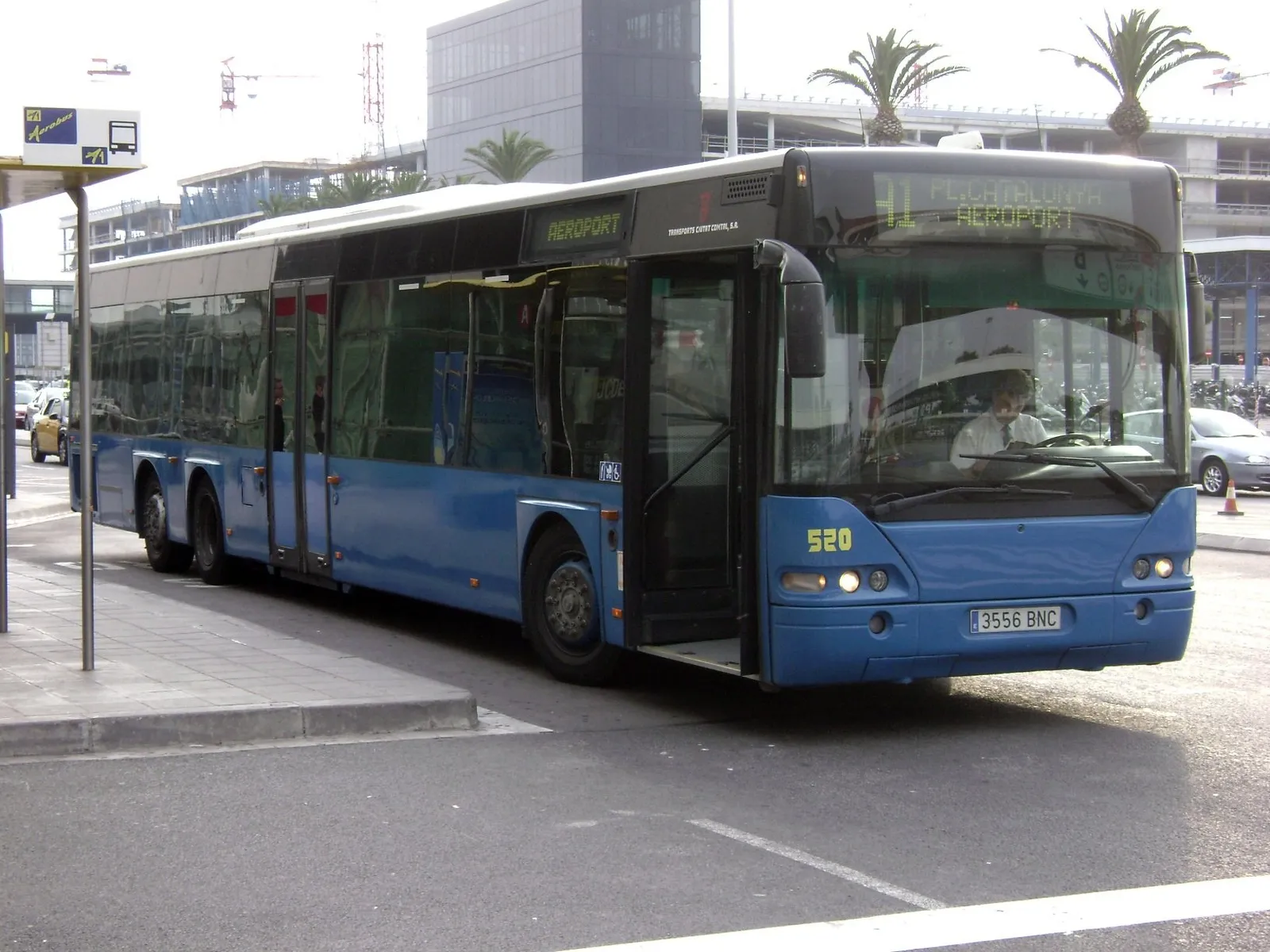
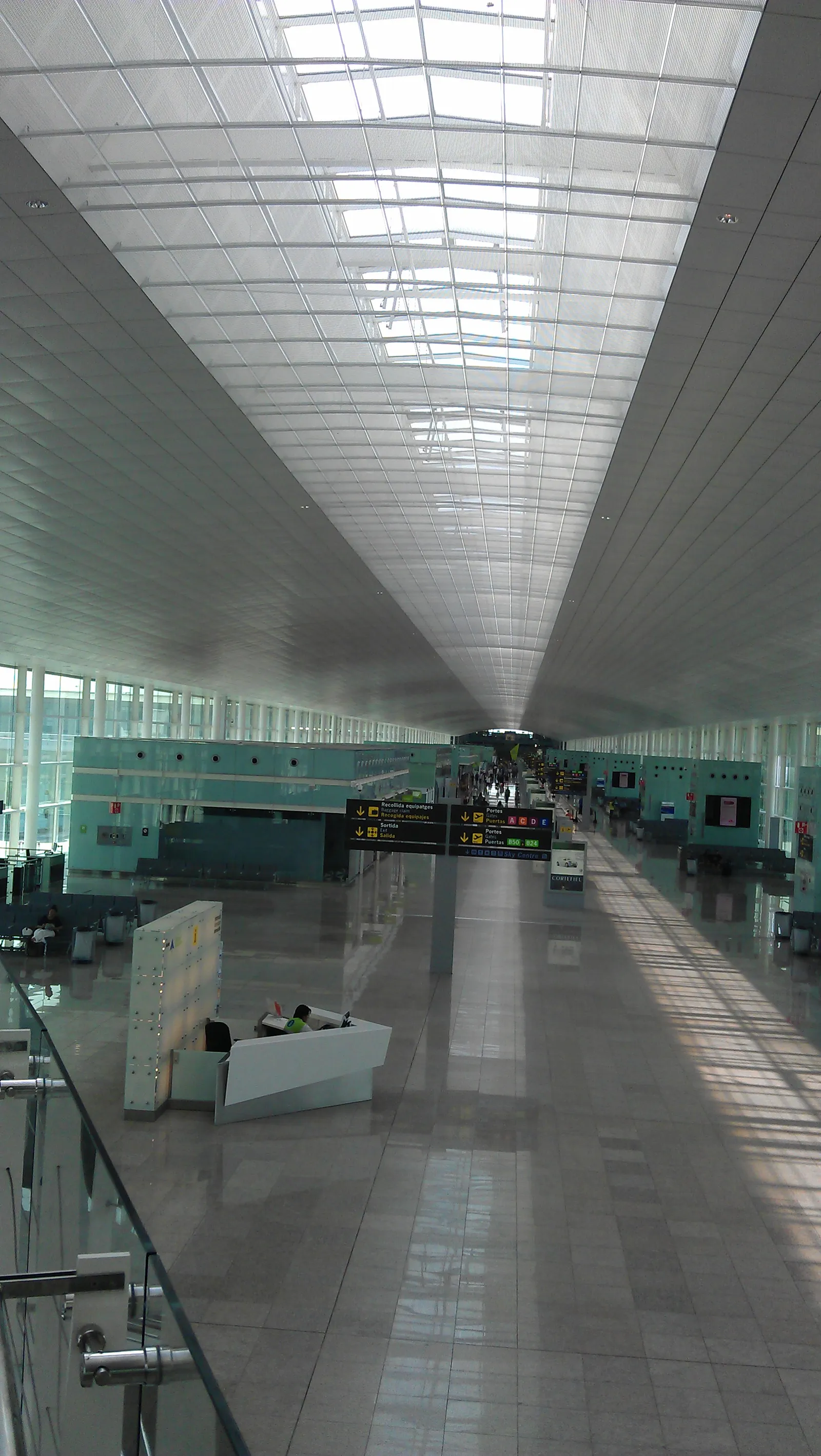
Rather than guess at the platform, it is worth reading our full breakdown of the ways to get from Barcelona Airport into town, which compares the times, the prices and the trade-offs. As a rule, splitting a fixed-price transfer between three or four people often costs little more per head than the train once you add up everyone’s individual fares.
Money, cards and cash
Barcelona is close to cashless for most day-to-day spending. Contactless cards and phone payments work almost everywhere, from the metro barriers to a coffee at the bar, so you rarely need a thick wallet of euros. That said, a small amount of cash is still handy for a market stall, a tip or a tiny bar that has a card minimum.
Watch two quiet charges that eat into a budget. First, when a card machine offers to charge you in your home currency rather than euros, that is dynamic currency conversion, and it almost always gives you a worse rate. Always choose to pay in euros. Second, some cash machines in tourist zones add a heavy fee or push their own poor conversion, so use a bank ATM where you can and, again, decline the offer to convert.
Small things that add up
Tap water is safe and free, so carry a bottle rather than buying it. Coffee and a pastry at the bar cost less than at a table. And watch the little tourist upsells near the big sights, the same snack is half the price two streets back.
Tipping, and the sneaky extras
Tipping is not obligatory in Barcelona the way it is in some countries. Locals often round up or leave a euro or two for good service, and that is genuinely enough. You are never expected to add a fixed percentage. Do read the menu edges, though, as some restaurants add a small cover charge for bread or a service line, and the odd tourist-trap terrace charges more for a table on the pavement than at the bar. None of this is a scam, it is just worth clocking before you sit.
Time the flight, save the mostCompare fares across dates before you commitBudget by neighbourhood
Where you sleep quietly shapes what the whole trip costs, because a central room means less spent on transport and taxis but a higher nightly rate. Staying a little out and riding the metro in can genuinely save money, as long as you factor in the extra journeys.
- Ciutat Vella and the Gothic Quarter put you in the thick of it and cost the most, but you can walk to nearly everything.
- Eixample is a middle ground, well connected and packed with the menú del día lunches that keep food costs down.
- Gràcia feels local and often prices a touch below the tourist core, with lively squares and cheaper bars.
- Poblenou and the outer districts trade some walkability for lower rates, and the metro makes up the difference.
If you are willing to swap a five-minute stroll for a fifteen-minute metro ride, the saving on a week’s accommodation can be real, especially in peak season.
The insurance you should not skip
A budget trip is not the place to gamble on going uninsured. A cancelled flight, a lost bag or a clinic visit for a twisted ankle can wipe out every saving you worked for and then some. Cover is usually cheap relative to the trip, and it turns a potential disaster into an annoyance.
What you need depends partly on your passport and your home cover. EU visitors can lean on the EHIC or GHIC for state healthcare, but that is not the same as travel insurance and it does not cover cancellations or repatriation. UK travellers have the GHIC but still need private cover for the rest. Visitors from the US, Canada, Australia, New Zealand, Ireland and South Africa should not assume any reciprocal healthcare arrangement and should arrange a proper policy. Our guide to choosing Barcelona travel insurance walks through what to look for, so read it before you decide the cheapest policy is good enough.
Is it worth splurging anywhere
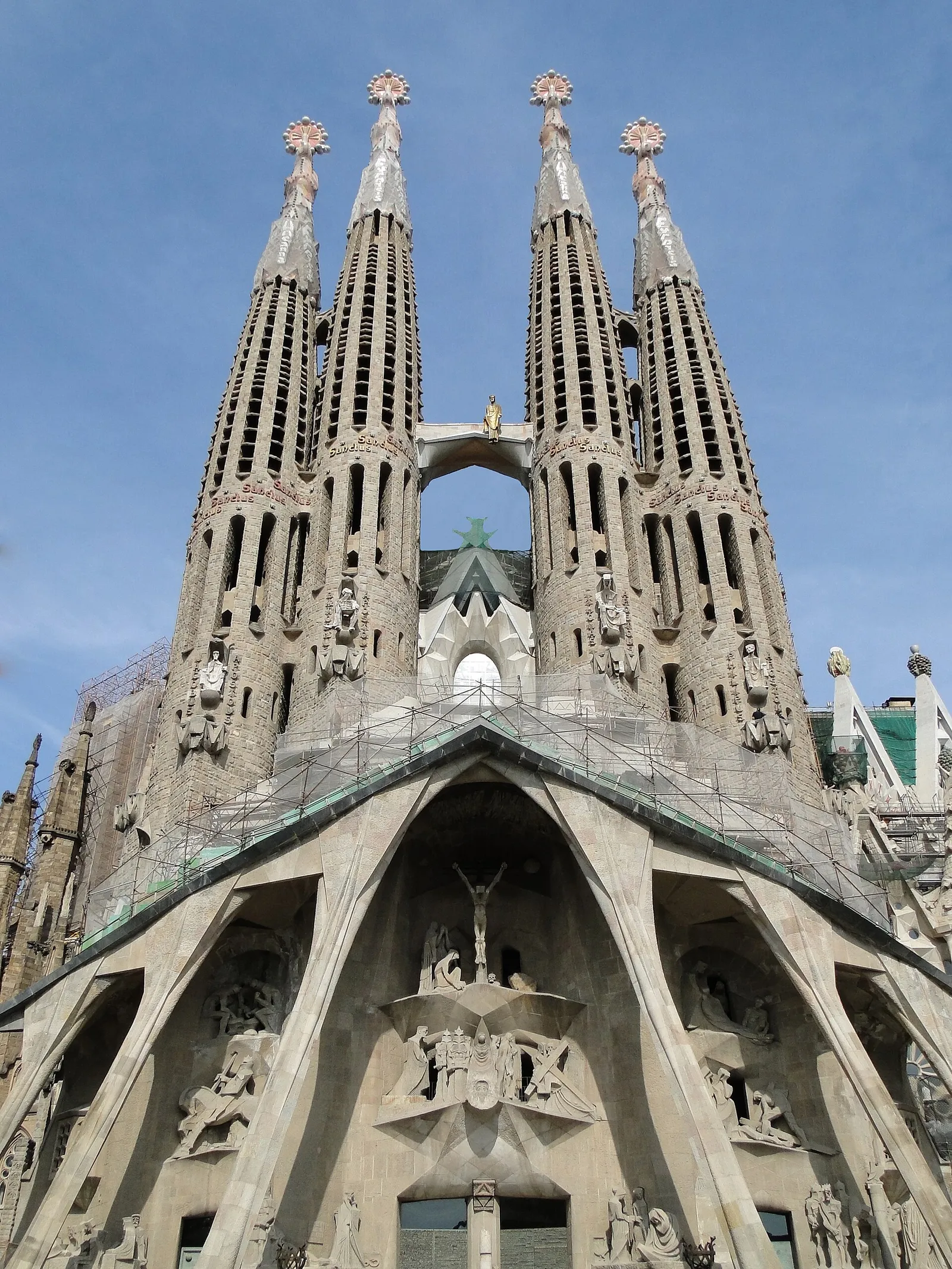
Yes, on two things. A skip-the-line ticket for the Sagrada Família is worth every cent for the hour of queuing it saves. And one good dinner in a proper Catalan restaurant, eaten late like a local, is the memory you will keep. Save on the rest, spend on those.
Beyond those two, be honest about what is not worth it. The hop-on hop-off bus is pricey for what it is if you are comfortable on the metro. Branded harbour boat trips and the pricier rooftop bars are easy to skip. And the souvenir shops on La Rambla sell at a premium you will not find two streets inland.
The short version
Budget around €70 to €90 a day at the low end, more if you want central comfort. Come in the shoulder season, eat big at lunch, book the sights early, ride on a T-casual and lean on the free city. Add the tourist tax to your sums before you travel, pay in euros not your home currency, and sort insurance early. Then put the savings toward the Sagrada and one great meal.
What would you rather do with the money you save here, an extra night in the city or that one unforgettable dinner? I would love to know how you split it.