Barcelona has one of Europe’s kindest climates: a true Mediterranean rhythm of mild winters, long dry summers and about 2,500 hours of sunshine a year. There is no bad month to visit, but the city changes character with the calendar, and so do the prices and the queues. Here is what each month actually feels like, and a straight answer on when to come.
The year at a glance
| Month | Day high | Sea temp | Rain | Crowds | Best for |
|---|---|---|---|---|---|
| January | 14°C | 13°C | Low | Very low | Budget, museums |
| February | 15°C | 13°C | Low | Very low | Carnival, quiet Gaudí |
| March | 17°C | 13°C | Low | Low | Sightseeing |
| April | 19°C | 14°C | Moderate | Medium | Spring, Sant Jordi |
| May | 22°C | 17°C | Moderate | Medium | The all-rounder |
| June | 26°C | 21°C | Low | High | First beach month |
| July | 29°C | 24°C | Very low | Very high | Beach, nightlife |
| August | 30°C | 25°C | Low | Very high | Beach, Gràcia festival |
| September | 27°C | 24°C | High | High | Warm sea, La Mercè |
| October | 23°C | 21°C | High | Medium | Mild sightseeing |
| November | 17°C | 17°C | Moderate | Low | Budget, food |
| December | 15°C | 15°C | Low | Low | Lights, low prices |
Now the texture behind the numbers.
January and February: the quiet secret
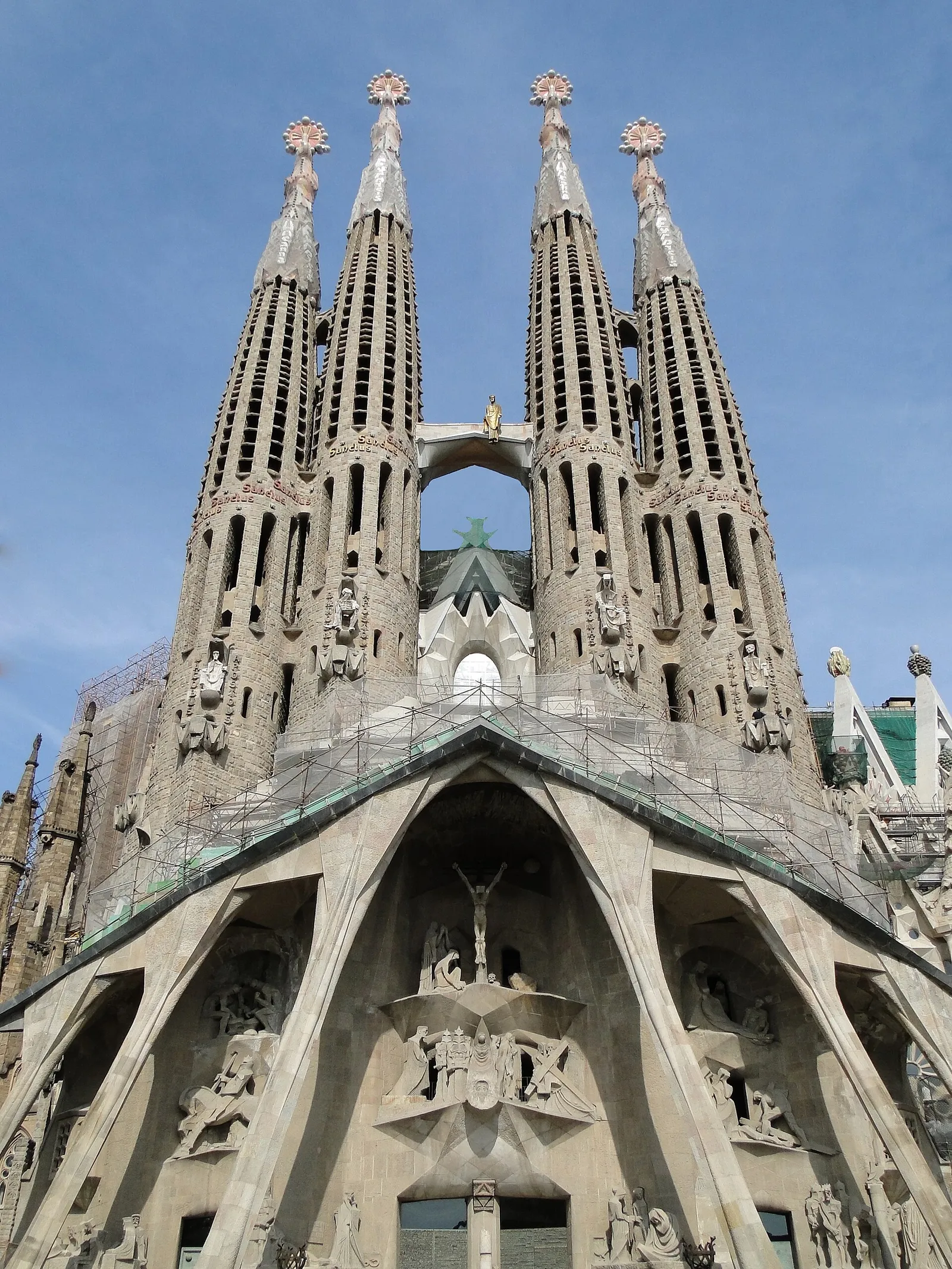
Winter in Barcelona is not really winter. Days hover at 14 to 15 degrees, frost is almost unheard of, and clear blue afternoons outnumber grey ones. This is when the city belongs to the people who live in it: you can walk into the Sagrada Família with a same-day ticket, museums are empty, and hotel prices bottom out. February adds Carnival in the city and, more spectacularly, in nearby Sitges. Pack a proper jacket for evenings and you are set. The only thing missing is the beach.
March and April: the city wakes up
Temperatures climb to the high teens and the terraces fill again. March is excellent sightseeing weather, with one caveat: the enormous mobile technology congress early in the month briefly makes hotels scarce and expensive, so check the dates. April is spring proper, warm enough for lunch outdoors, and it brings Sant Jordi on the 23rd, Catalonia’s beloved day of books and roses, when the whole city turns into an open-air book fair. Easter week pulls a first wave of serious crowds, so book Gaudí tickets ahead from here on.
May and June: the sweet spot
If you can choose freely, choose here. May gives you 22 degree days, jacaranda blooms, long evenings and a city in full swing before the summer crush. June turns up the heat to 26 and opens the swimming season: the sea passes 21 degrees by mid month, and the beach bars come alive. The night of Sant Joan (June 23rd) is the summer solstice party, with fireworks and bonfires along the whole coastline until dawn. Crowds build through June, but they are still a notch below the August peak.
July and August: full summer
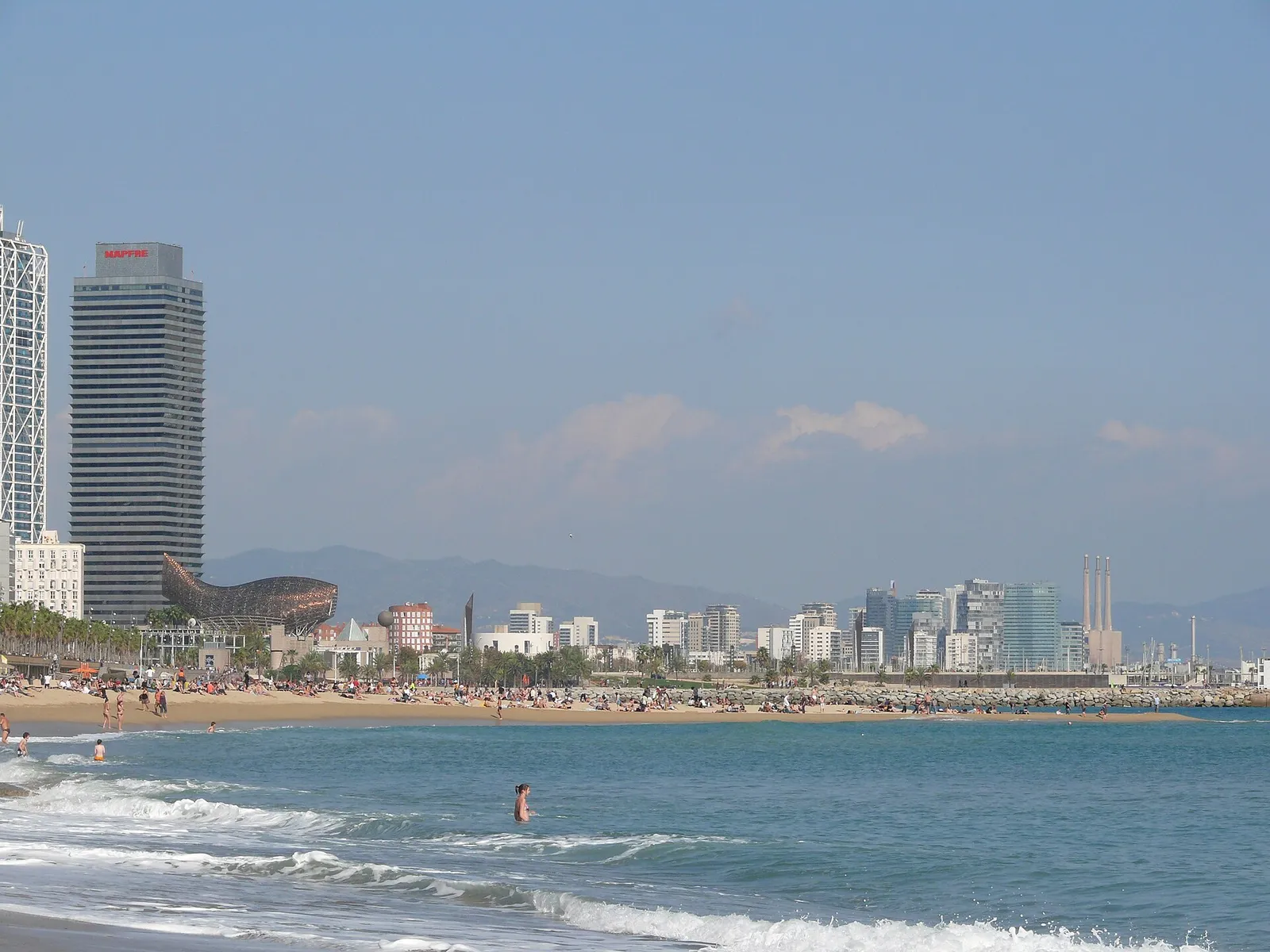
This is Barcelona at maximum volume. Expect 29 to 31 degree days, humid air, a bath-warm sea and beaches that fill by late morning. It is a fantastic time for a beach-first trip, and the city compensates for the heat with open-air cinema on Montjuïc, rooftop bars and dinners that start at ten. The trade-offs are real: peak prices, the longest queues of the year, and August closures of some family-run restaurants when locals take their own holidays. August also brings the Festa Major de Gràcia, when the neighborhood’s streets compete over spectacular handmade decorations, one of the best free spectacles in Spain. Book air conditioning, sightsee before noon, swim after.
September and October: warm sea, softer city
September might be the connoisseur’s month. The sea is at its warmest after a whole summer of heating, daytime highs ease back to 27, and the city celebrates La Mercè, its biggest festival, in late September: human towers, fire runs, giants and free concerts across town. The catch is rain: autumn storms deliver short, theatrical downpours, and September and October are the two wettest months of the Barcelona year, with October usually taking the title. They pass in an hour and rarely wreck a day. October keeps the mildness going at 23 degrees, with swimmable seas early in the month and sightseeing weather throughout.
November and December: mild and mellow
November is the quietest month of all, cool at 17 degrees but often sunny, and ideal if your Barcelona is about food, museums and wandering rather than sand. December brings Christmas lights along Passeig de Gràcia, the Santa Llúcia market by the cathedral and the gloriously odd Catalan Christmas traditions. Prices stay low outside the holiday week itself. It is a lovely, unhurried way to see the city; just do not expect beach weather.
So when should you go?
For beaches: mid June to mid September, with September edging it for warm water and slightly saner crowds. Our Barceloneta beach guide covers which stretch of sand to pick. For sightseeing: April to June and September to October, when walking the city is a pleasure rather than an endurance sport. For budget: November to March, when hotels can cost half their summer rate; pair it with our Barcelona on a budget guide. For festivals: April for Sant Jordi, June for Sant Joan, August for Gràcia, September for La Mercè.
And whichever month wins, the golden rule from our first-timer guide holds all year: book the Gaudí sites before you fly. The sun is reliable in Barcelona. Walk-up tickets are not.